 Follow Us on Google News


 Follow Us on Google Discover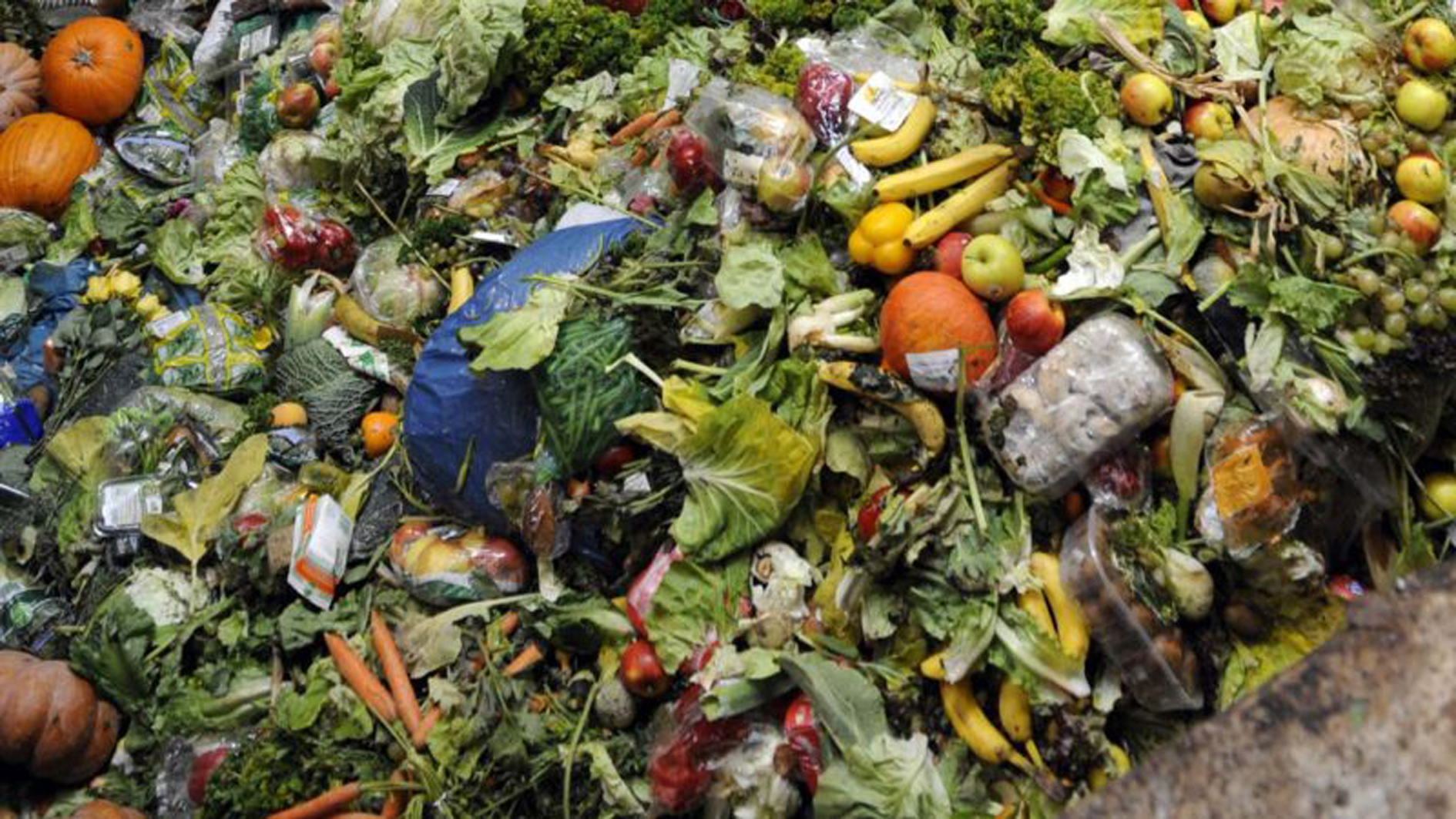
As fruits traders in Lagos State count their losses due to spoilage of their items, a project that turns fruit waste into energy which powers streetlights and a few shops in Babajide Sanwo-Olu Market, Ketu, is helping traders to maintain a cleaner and safer environment, SULIYAT TELLA reports.
Lateef Ibrahim Adeyemi, a fruit trader at Ile Epo Market in Lagos once lost N7 million in his fruit business. Years later, the memory still troubles him. Sadly, the loss did not result from theft, a fire outbreak or an economic downturn; it was caused by a problem that traders dealing in perishable goods across Nigeria have become familiar with: spoilage.
According to Adeyemi, transporting fruits from other parts of Nigeria to Lagos is a gamble. A truckload of oranges from Benue State can cost as much as N10 million, yet traders have little control over what happens once the journey begins.
Sometimes vehicles break down on the road, at other times poor road conditions cause delays that stretch for days. Without proper preservation systems, fruits begin to deteriorate long before they reach the market.
“We want the government to help us with preservation,” Adeyemi said.“We may not know the technology, but there are experts who do. Fruits are exported to other countries and arrive fresh. We need solutions like that here.”
Adeyemi’s experience reflects a much larger problem.
Every day, tonnes of tomatoes, peppers, fruits, vegetables and other perishable produce are discarded in markets across Nigeria. This results in traders losing investments worth millions of naira and consumers paying higher prices. Meanwhile, mountains of organic waste continue to grow.
At Ile Epo Market, one of Lagos’ busiest hubs for fruits and vegetables, traders described their business as a constant race against time.
Adijat Aliu, popularly known as Iya Oja, said vehicle breakdowns frequently affect the quality of produce before they arrive at the market.
“When a lorry develops a fault on the road, it can spend days there. By the time it arrives, some of the fruits have already spoilt,” she said.
According to traders, such losses are often unavoidable, as many of the perishable goods sold in Lagos travel hundreds of kilometres from producing states such as Benue, Plateau, Taraba and Kaduna.
Speaking with The Guardian, traders at Ile Epo Market said one of the most frustrating aspects of the situation is that a potential solution once existed.
Wasiu Balogun, popularly known as Dagbe Fruits, recalled that when the market was rebuilt about 12 years ago, authorities constructed a cold room intended to help traders preserve their goods.
However, the facility never became operational. According to him, traders were unable to use it before it was eventually removed.
Balogun believes the government should revisit the idea.
“I want to appeal to the government to bring back that storage initiative. It would help us preserve our goods and reduce losses,” he said.
Spoilage does not end with financial losses; it creates another challenge: waste. In markets across Lagos, discarded fruits and vegetables quickly accumulate into large heaps. Balogun said traders at Ile Epo market spend significant amounts every month disposing waste generated at the market.
According to him, private waste operators collect refuse, but their service is often insufficient to handle the volume generated.
“We throw our waste at the dumpsite beside the market. PSP operators come to collect it every Thursday, but that is not enough; so we have no choice but to keep using the dumpsite.
“Our market is divided into five sections. Each section contributes N200,000 monthly for waste disposal. That amounts to N1 million every month,” he said.
At Afolabi Ege Modern Market in IyanaIba, traders expressed similar concerns. Olanrewaju Kazeem said waste collection is often irregular, allowing refuse to accumulate for weeks.
“LAWMA comes to collect the waste, but not regularly. Some of the waste here has been on the ground for about three weeks,” he said.
The problem tends to worsen during the rainy season when spoilage rates increase.
“We lose money because of waste. During the rainy season, the volume is even higher,” Kazeem added.
The irony of the situation is difficult to ignore because while many Nigerians struggle to afford food, huge quantities of it never make it from farms to dining tables.
According to the World Bank’s Nigeria Food Smart Country Diagnostic report, Nigeria loses and wastes about 40 per cent of its total food production yearly. These losses occur during harvesting, transportation, storage, processing and distribution.

For a country battling food inflation and food insecurity, the figure represents a waste of resources and missed opportunities to improve food availability and reduce pressure on household incomes.
However, while traders in many markets struggle with spoilage and waste disposal, a project in Ketu is attempting to turn the problem into an opportunity.
At the Babajide Sanwo-Olu Market, organic waste is being converted into biogas through a biodigester system. Instead of treating fruit waste as rubbish, the project uses it as a raw material for energy generation.
Ojo Atorise, a trader in the market, who also works with the initiative, explained how the process works.
“On designated days, workers collect fruit waste from the market. The waste is washed, processed and fed into the biodigester.
“We collect the waste on Mondays, Wednesdays and Fridays. We wash it, grind it and load it into the digester,” he said.
He explained that for now, the project focuses mainly on pineapple and watermelon waste, adding that results are already visible within parts of the market. Atorise said the gas produced from the biodigester is used to power the streetlights.
“We use it to power streetlights in a section of the market. The lights come on in the evening and remain until about 11:30 p.m. They are switched on again around 5 a.m.
“The project also provides cooking gas for some traders. Two women who sell food receive gas free of charge. We also supply gas to a phone charging operator in the market,” he added.
Although still relatively small, the initiative demonstrates how market waste can be transformed into something useful.
Recognising this potential, the Lagos State government has expressed support for expanding waste-to-energy initiatives.
Speaking at the 2025 Yearly Lecture and Awards organised by the Property and Environment Writers Association of Nigeria, the Managing Director of Lagos State Waste Management Authority (LAWMA), Dr. Olumuyiwa Gbadegesin, outlined plans to use organic waste from the Ketu-Ikosi Fruit Market to generate electricity.
He said the initiative would provide power within the market while reducing the amount of waste sent to dumpsites.
According to him, fruit waste can be converted into both biogas and compost. He urged traders to sort their waste properly so it can be channelled into the biodigester.
“From research, we know that fruit waste can generate biogas and compost for farming,” he said.
Gbadegesin also argued that one of the biggest challenges remains public perception. “Many people continue to see waste as something to be discarded rather than a resource with economic value,” he said.
He stated that changing that mindset is essential to building a more sustainable waste management system.
The biodigester project in Ketu offers a glimpse of what can happen when waste is viewed differently.Yet it also highlights a larger reality: the most effective solution is not just finding better ways to dispose of spoilt produce but preventing produce from spoiling in the first place. Until that happens, millions of naira worth of produce will continue to be lost every day, resulting in higher food prices and cities struggling to manage growing volumes of waste.
Improved road networks, reliable electricity, cold storage facilities and refrigerated transportation could significantly reduce food losses before they occur. For traders like Adeyemi and Balogun, these interventions cannot come soon enough.

