 Follow Us on Google News
 Follow Us on Google Discover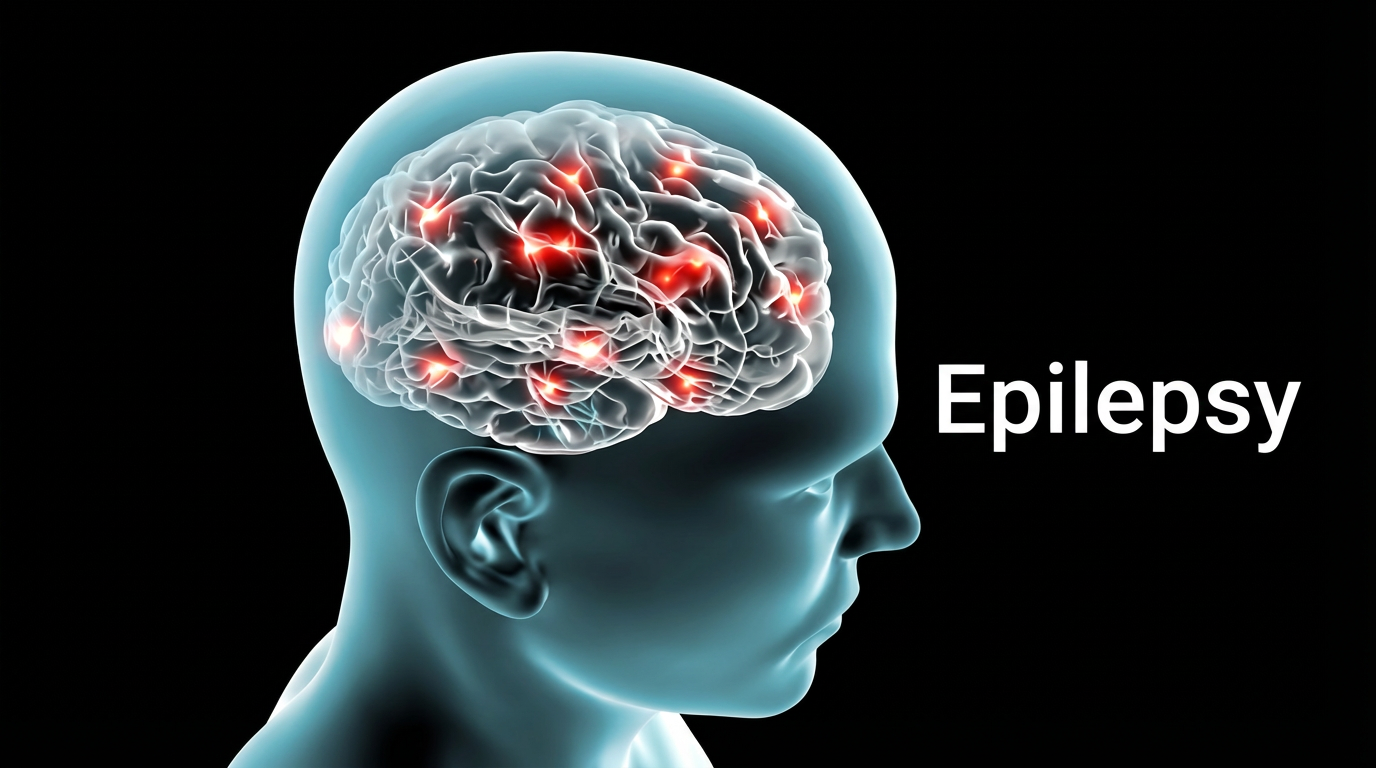
The Nigerian Society of Neurological Sciences (NSNS) has raised an alarm over Nigeria’s widening epilepsy treatment gap.
The Society disclosed this yesterday, in a communiqué issued at the end of its 58th yearly scientific conference and general meeting held between February 10 and 12 in Kano.
The communiqué was signed by the President of the Society, Prof. Morenikeji Komolafe; Secretary, Dr Iwuozo Emmanuel; and Chairman of the Local Organising Committee, Prof. Lukman Owolabi.
According to the communique, more than 70 per cent of persons living with epilepsy in the country are not receiving appropriate anti-seizure medications.
The experts warned that with an estimated epilepsy prevalence of between eight and 13 per 1,000 population in Nigeria, translating to nearly two to three million Nigerians affected, the country faces a major public health and social challenge if urgent policy interventions are not implemented.
According to the communiqué, the high treatment gap is driven by poor access to specialists, limited diagnostic facilities, among others.

It described the disease as a preventable crisis, adding that patients could achieve seizure control with appropriate medications.
The NSNS, however, said that affordability remained a major barrier.
It, therefore, called for improved financing mechanisms, including stronger integration of epilepsy services into the Basic Healthcare Provision Fund (BHCPF) and expanded coverage under the national health insurance framework.
The Society also recommended enhanced collaboration between the government and pharmaceutical companies to ensure availability and subsidisation of anti-seizure medications.
It urged the Federal Government to equip more teaching hospitals and Federal Medical Centres with at least 1.5 Tesla MRI machines while preparing for higher-capacity 3.0 Tesla systems as power supply improves.
It said that advanced imaging modalities required for comprehensive epilepsy surgery workup, including Positron Emission Tomography (PET) and Single Photon Emission Computed Tomography (SPECT), are largely unavailable in Nigeria.

