 Follow Us on Google News
 Follow Us on Google Discover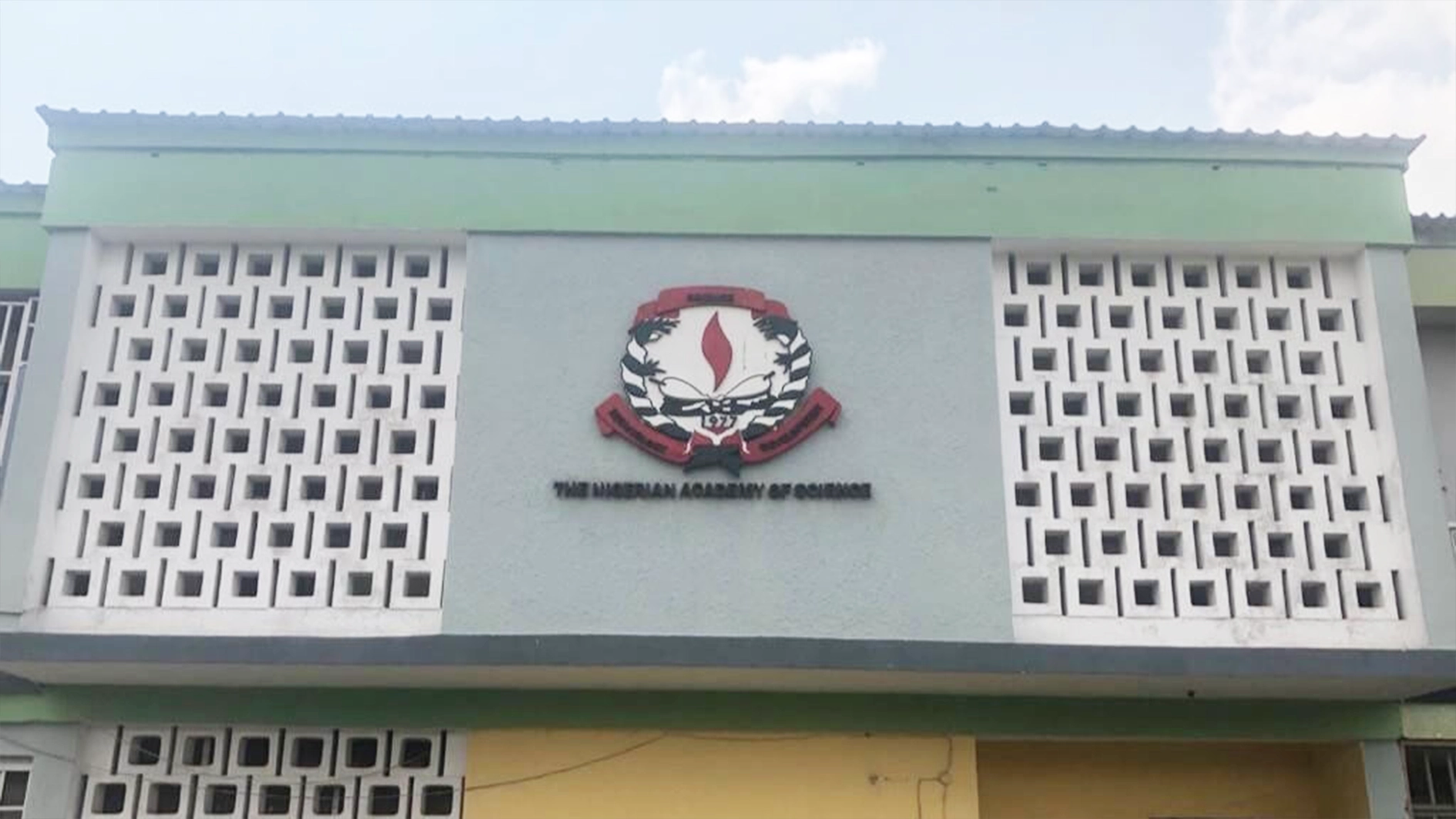
• Urges adaptation measures to protect vulnerable Nigerians
The Nigerian Academy of Science (NAS) has raised concerns over the growing threat of climate-related disease outbreaks, warning that rising temperatures, flooding and other extreme weather events are increasing the burden of infectious and non-communicable diseases in the country.
The academy called for urgent adaptation measures at the state, local government and community levels to protect vulnerable Nigerians from the escalating health impacts of climate change.
The call was made at a media roundtable on “Climate Change, Health and the Nigerian Reality” held at the Academy’s Secretariat, University of Lagos.
Delivering the keynote address, a Fellow of the Academy, Prof. Babalola Alo, said climate change had evolved from an environmental issue into a major public health, economic and security challenge with far-reaching consequences for Nigeria.
According to him, the country is already experiencing the effects through severe flooding, rising temperatures, coastal erosion, desertification, disease outbreaks, food insecurity and environmental degradation. “Climate change is no longer a future problem; it is already affecting our health, livelihoods and economy,” Alo said.

He explained that increasing temperatures were contributing to a rise in cardiovascular and respiratory illnesses, while recurrent flooding was heightening the risk of cholera and other water-borne diseases, particularly among children, the elderly and other vulnerable groups.
The professor also linked climate change to worsening insecurity, noting that prolonged drought and desertification in the Lake Chad region had displaced farmers and herders, deepened poverty and fuelled conflicts and criminal activities in affected communities.
While acknowledging that Nigeria has developed climate policies and international commitments, including its Nationally Determined Contributions (NDC 3.0), Alo said implementation remained overly centralised. “National policies alone are not enough. Climate action must move to the states, local governments and communities where the impacts are most severe,” he said.
He advocated increased investment in climate-resilient infrastructure, improved water resource management, climate-smart agriculture, public education, greater access to climate finance and stronger institutional support for sub-national governments.
Alo also stressed the importance of integrating indigenous knowledge into adaptation strategies, noting that local communities possess valuable experience that can strengthen resilience against climate-related health and environmental challenges.
Commenting on the recent flooding in Lagos, he blamed indiscriminate waste disposal and blocked drainage channels for worsening flood incidents. “Many of the flooding problems we are experiencing today are self-inflicted. We must change our lifestyle, manage our waste properly and stop dumping refuse in drainage channels,” he said.
The environmental scientist also defended the growing adoption of renewable energy, describing solar power as a practical pathway to reducing greenhouse gas emissions and dependence on fossil fuels.
Public Affairs Secretary of the academy, Prof. Chinedum Babalola, said the media roundtable was organised to bridge the gap between scientific research and public understanding.
She stressed that scientific evidence must inform public policy and everyday decision-making, describing journalists as critical partners in translating research findings into information capable of driving behavioural change and influence policy. “Science must not remain in journals and laboratories. It must speak to policy, business and the Nigerian people,” she said.
Babalola added that climate change remains one of the greatest threats to human health and directly relates to the Sustainable Development Goals on health, climate action, sustainable cities and clean water.
Earlier, the Executive Secretary of the academy, Dr Doyin Odubanjo, described climate change as one of the defining challenges of the present time, saying the forum was convened to promote collaboration among scientists, policymakers, health professionals and the media in developing practical, evidence-based solutions.
He expressed optimism that the discussions would inspire policies and actions to strengthen Nigeria’s resilience to climate-related health threats.
Also speaking, science journalist, Mr Wale Fatade, urged journalists to make climate science more accessible to ordinary Nigerians by explaining how environmental changes affect everyday health and well-being.
He observed that climate change is contributing to heat-related illnesses, respiratory diseases, food and water insecurity, mental health challenges and population displacement, with poor and vulnerable communities bearing the heaviest burden.
Fatade said climate reporting should move beyond covering disasters to explaining the science, highlighting solutions and holding governments accountable for their climate commitments.
He called for sustained, evidence-based climate journalism, noting that consistent, solution-focused reporting remains essential to influencing policy decisions and protecting communities from the growing health consequences of climate change.

