 Follow Us on Google News
 Follow Us on Google Discover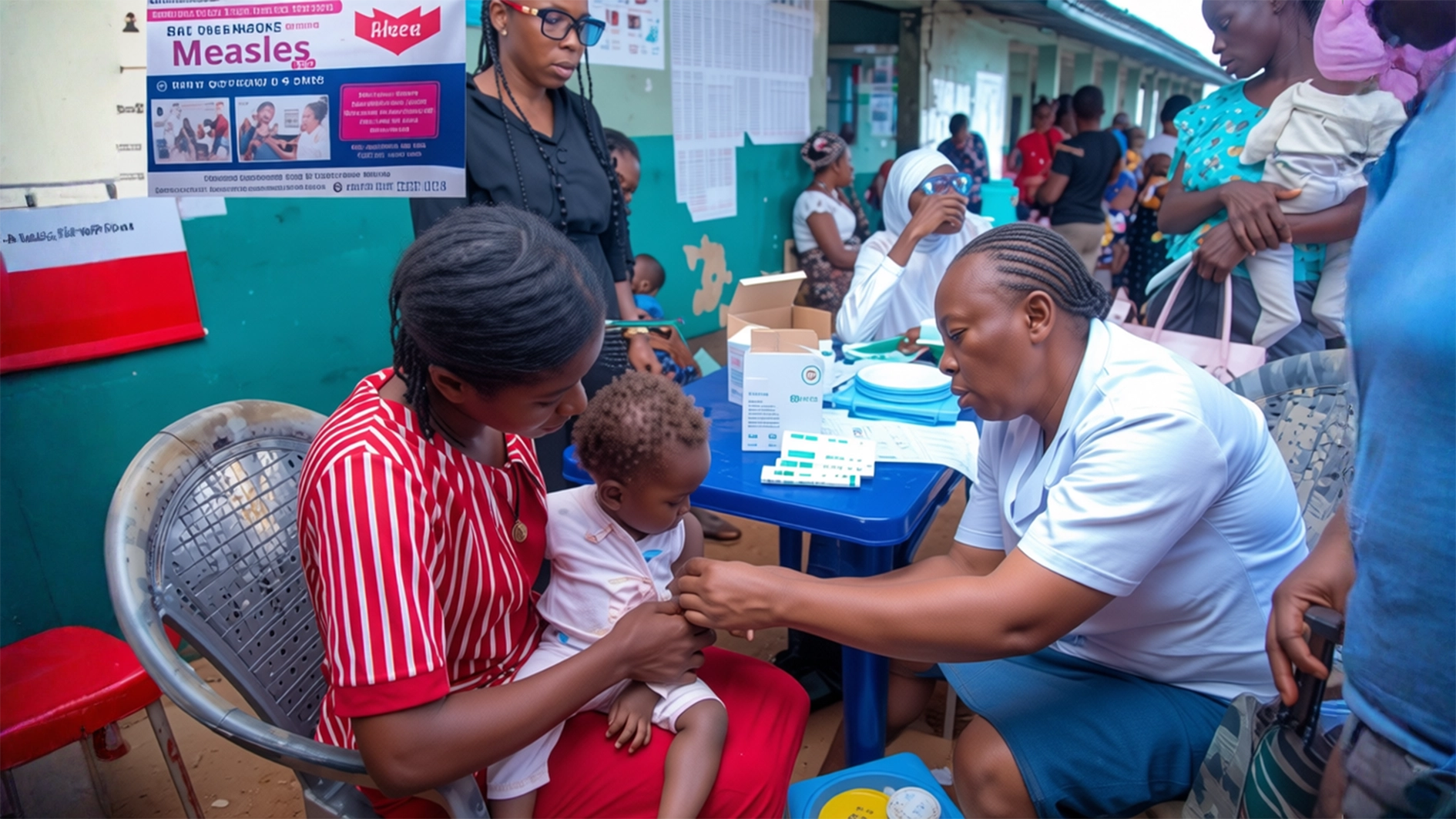
The Anambra State Primary Health Care Development Agency has reaffirmed the state government’s commitment to achieving 95 per cent coverage in the ongoing Integrated Measles–Rubella vaccination exercise.
Executive Secretary of the agency, Chisom Uchem, told The Guardian in Awka that acceptance of the measles–rubella vaccine across the state has been impressive, attributing the positive response to intensive sensitisation campaigns and strong engagement with traditional and religious leaders ahead of the exercise.
Uchem said the state is targeting more than three million children aged between nine months and 14 years, expressing confidence that the 95 per cent coverage target would be met by the end of the exercise on February 16.
She explained that the campaign is an integrated one, covering measles–rubella, human papillomavirus (HPV) and other routine immunisation components. According to her, the state has recorded only one mild adverse event following immunisation, noting that the affected child was promptly taken to the hospital and has since recovered.
Regarding the challenges encountered, Uchem stated that some churches and schools were initially non-compliant during the first two days of implementation. She explained that the issue was resolved with the intervention of church leaders, particularly bishops, while the Commissioner for Education also directed school proprietors to comply with government directives. “After the first day, we no longer had cases of rejection in schools, and reports from churches showed that parents willingly brought their children for vaccination,” she said.
At the local government level, the Immunisation Officer for Onitsha North Local Government Area, Ifeoma Egbo, said vaccine acceptance has been high but warned that the quantity supplied may be insufficient due to the area’s dense population.

She explained that the council targets 92,844 children but has already vaccinated 54,335, representing 58.52 per cent coverage. Egbo said the strong uptake is being driven by the support of traditional and religious leaders, as well as the local government chairman, his deputy and supervising councillors.
Monitoring by The Guardian at the Army Barracks Ward in Onitsha North showed high acceptance of both the measles–rubella and HPV vaccines, with vaccinators calling for additional supplies to ensure no child is missed.
Ward focal person, Simeon Oscar, said vaccination teams have been covering schools, markets, churches, event centres, playgrounds, streets and motor parks, describing the exercise as highly successful.
He explained that while measles–rubella vaccination targets both male and female children aged nine months to 14 years, HPV vaccination is for females within the same age bracket. He noted that acceptance of the measles–rubella vaccine has been very high, though some parents are still hesitant about HPV vaccination, despite growing awareness of its benefits.
Team supervisor at the ward, Mrs Philomena Ngene, disclosed that more than 6,000 children had already been vaccinated. She identified shortages of hand gloves and waste baskets as the main challenges, noting that only one pack of cotton wool was provided for five vaccination teams, forcing them to rely on the military clinic for supplies.

