 Follow Us on Google News
 Follow Us on Google Discover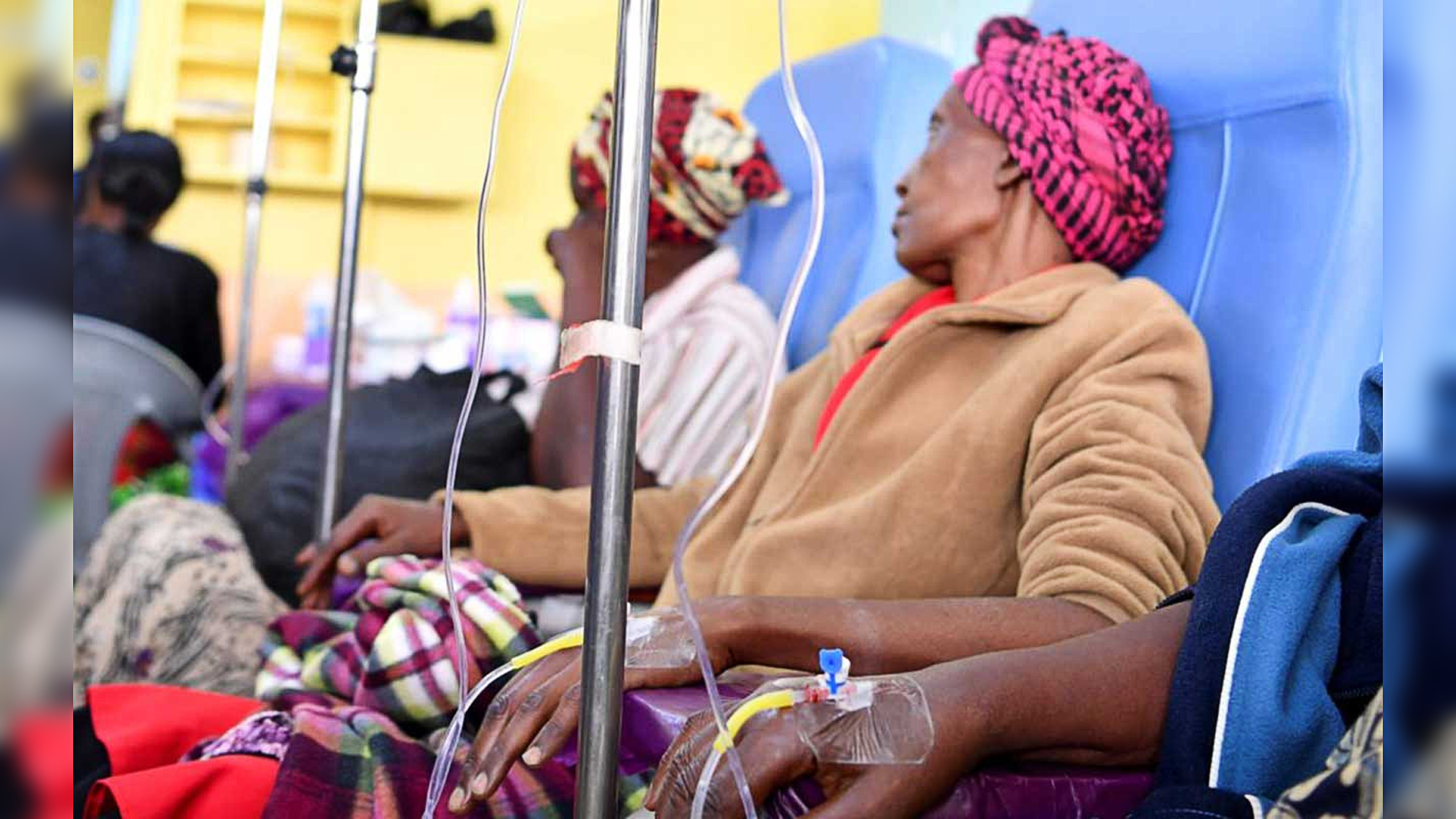
Stakeholders in Nigeria’s health sector have warned that insecurity and violent conflicts are worsening Stakeholders in Nigeria’s health sector have warned that insecurity and violent conflicts are worsening cancer care gaps and limiting access to treatment for vulnerable populations across the country.
The concerns were raised at a high-level symposium organised by Project Pink Blue (Health & Psychological Trust Centre) to mark World Cancer Day 2026 in Abuja. The event, themed “Cancer, Conflict & Insecurity in Nigeria: What Can We Do to Ensure Access to Cancer Care for Vulnerable Communities Amid Conflict and Insecurity?” brought together policymakers, health professionals and advocates to discuss strategies for maintaining cancer care in crisis-affected areas.
Speaking at the event, Senior Finance and Administration Officer of Project Pink Blue, Godwin Kagior, described cancer not only as a medical condition but also as a social justice issue, particularly for communities grappling with poverty, displacement and insecurity.
Kagior stressed that cancer is not a death sentence if detected early and properly treated, but noted that many Nigerians die because they lack access to timely diagnosis and cannot afford treatment.
He added that the organisation’s annual World Cancer Day symposium has become a key platform for shaping national discussions on cancer control and urged stakeholders to move from dialogue to action. Kagior called on the National Assembly to increase funding for cancer care and urged the government to declare a state of emergency on cancer treatment.
Also speaking, President of the Nigerian Medical Association, Bala Audu, said Nigeria faces a growing cancer burden alongside widespread insecurity, which is worsening health outcomes.

According to him, insecurity has made access to prevention, diagnosis and treatment nearly impossible in many rural and conflict-prone areas.
He explained that patients in insurgency-affected parts of the North-East and North-West, as well as communities in the South-East affected by prolonged sit-at-home disruptions, face major obstacles in accessing care. “Hospitals have closed, supply chains for chemotherapy drugs are inconsistent, and specialist oncology centres remain far out of reach for those who need them most,” he said.
Audu added that for many patients, travelling to treatment appointments has become risky due to roadblocks, unsafe highways, kidnappings and rising transportation costs, which prevent patients from maintaining treatment schedules. He called for the integration of cancer care into national security and humanitarian response planning.
Former lawmaker, Mao Ohuabunwa, also urged the Federal Government to declare cancer a national emergency.
In her remarks, the wife of the Imo State Governor and Chairperson of First Ladies Against Cancer (FLAC), Chioma Uzodimma, said insecurity has forced some health facilities to shut down while medical personnel have fled following attacks, killings and kidnappings.
Uzodimma explained that FLAC leverages political, institutional and social networks to raise awareness, facilitate access to screening and treatment, and advocate equitable cancer policies.
“Since 2025, we have expanded collaborations with governments, private sector organisations and international development partners to boost cancer treatment, research and advocacy,” she said.
She noted that the organisation’s initiatives include grassroots education, free cancer screening, patient support programmes and high-level policy advocacy in partnership with the Federal Ministry of Health and Social Welfare, National Institute for Cancer Research and Treatment, state ministries of health, the World Health Organisation, and other stakeholders.
Uzodimma called for the establishment of mobile clinics and safe corridors for health workers, expansion of insurance coverage and funding for cancer care, as well as long-term investment in oncology infrastructure, research and local drug manufacturing.
Director-General of the National Institute for Cancer Research and Treatment, Usman Aliyu, said the national Cancer Health Fund currently supports free treatment for breast, cervical and prostate cancers in selected centres, with plans to expand coverage as capacity improves.
Aliyu, who was represented by the Director of Clinical Services, Musa Ali-Gombe, identified weak coordination, limited decentralisation and funding gaps as major obstacles to cancer control in Nigeria.
He noted that cancer services remain concentrated in major urban centres, leaving rural and conflict-affected communities without access to screening and early diagnosis.
A cancer survivor, Mercy Soporuchi, lamented that many patients and survivors face heavy financial burdens during treatment. She urged the government to expand coverage under the National Health Insurance Authority to include certain treatment plans, particularly fertility preservation services for cancer patients.

