 Follow Us on Google News
 Follow Us on Google Discover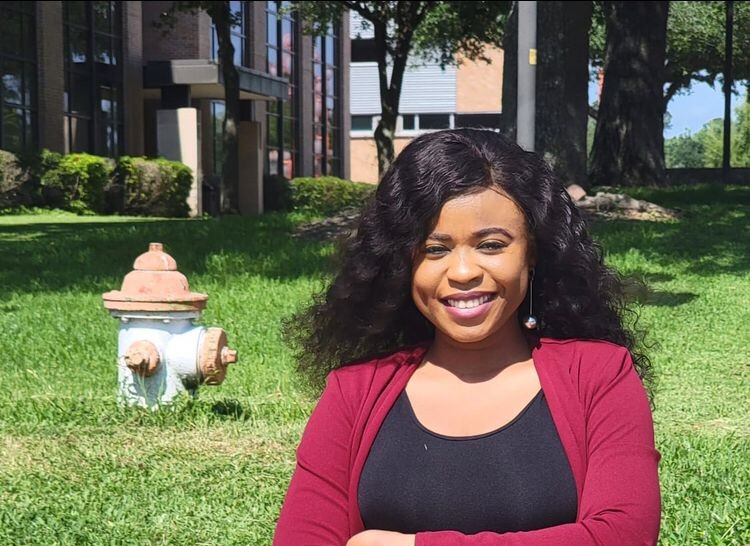
Tonia Odili, a Nigerian-born licensed mental health therapist practising in both the United States and Nigerian communities, has called for a culturally sensitive and compassionate approach to mental health care in Nigeria. She emphasises that addressing emotional well-being is essential to curbing domestic violence, drug abuse, and other related issues in the country.
Tonia Odili, who works extensively in clinical therapy, advocacy, and mental health education, stated that Nigeria is currently grappling with a mental health crisis that is too often overlooked, despite its severe impact on individuals, families, and society at large.
“Millions of Nigerians are silently suffering from depression, anxiety, and trauma,” she said. “There’s an urgent need for compassionate, accessible, and culturally relevant mental health care.”
Tonia Odili explained that mental health challenges in Nigeria are frequently misunderstood or dismissed, often attributed to spiritual forces or moral failings rather than biological or psychological causes.
She noted that depression—one of the most common conditions—is rarely identified by name, despite manifesting in prolonged sadness, sleep disturbances, hopelessness, anger outbursts, or unexplained physical pain. The twin burdens of stigma and a severe shortage of professionals mean most sufferers do not receive the help they need.
Currently, Nigeria has fewer than 300 licensed psychiatrists serving a population of over 200 million. “Mental health facilities are scarce, especially in rural areas,” Odili said. “Even where services are available, many are reluctant to seek help for fear of being labeled ‘mad’ or misunderstood.”
Untreated mental health conditions, she warned, fuel high rates of substance abuse, domestic violence, school dropout, and suicide, particularly among young adults and women—groups she actively works with.
Having experienced the reality of mental health struggles while growing up in Nigeria, Tonia Odili recounted how emotional pain was often hidden behind smiles, silence, or religious practices. That experience, she said, inspired her to pursue a career in mental health to help others find the language and tools to heal.
Now based in the U.S., Tonia Odili offers therapy to individuals dealing with grief, trauma, depression, anxiety, relationship conflicts, and life transitions. Her culturally attuned therapeutic approach blends empathy, spirituality, and a deep respect for her clients’ values and identities.
Beyond individual therapy, Tonia Odili is deeply committed to community outreach. She uses social media, community education, virtual platforms, workshops, and grief support groups to challenge stigma and promote emotional resilience in Nigerian communities.
“I work especially with youth and women, who are disproportionately affected by the mental health crisis,” she said. “Young people, for instance, face enormous pressure from school, family expectations, unemployment, and societal changes. Depression often shows up quietly in them—as withdrawal, rebellion, or academic failure.”
Her programs aim to create safe, non-judgmental spaces where mental health issues can be openly discussed and addressed. She emphasises the importance of teaching young Nigerians to take their mental health as seriously as their physical health.
Looking ahead, Odili revealed plans to establish a Mental Health and Resilience Centre in Nigeria—a dedicated hub that will combine evidence-based therapy with culturally rooted practices, spirituality, mentorship, and community-building.
The centre, she said, will offer therapy, crisis support, life skills training, and group counselling—especially to underserved individuals who may not otherwise have access to professional care.
In addition, Tonia Odili is passionate about training more mental health professionals within Nigeria.
“For real change to happen, we need more local practitioners equipped not just with clinical skills, but with cultural competence to connect meaningfully with the people they serve,” she said.
As Nigeria continues to confront a growing mental health challenge, Tonia Odili’s work stands as a compelling reminder that healing must begin with empathy, education, and culturally informed care.

