 Follow Us on Google News
 Follow Us on Google Discover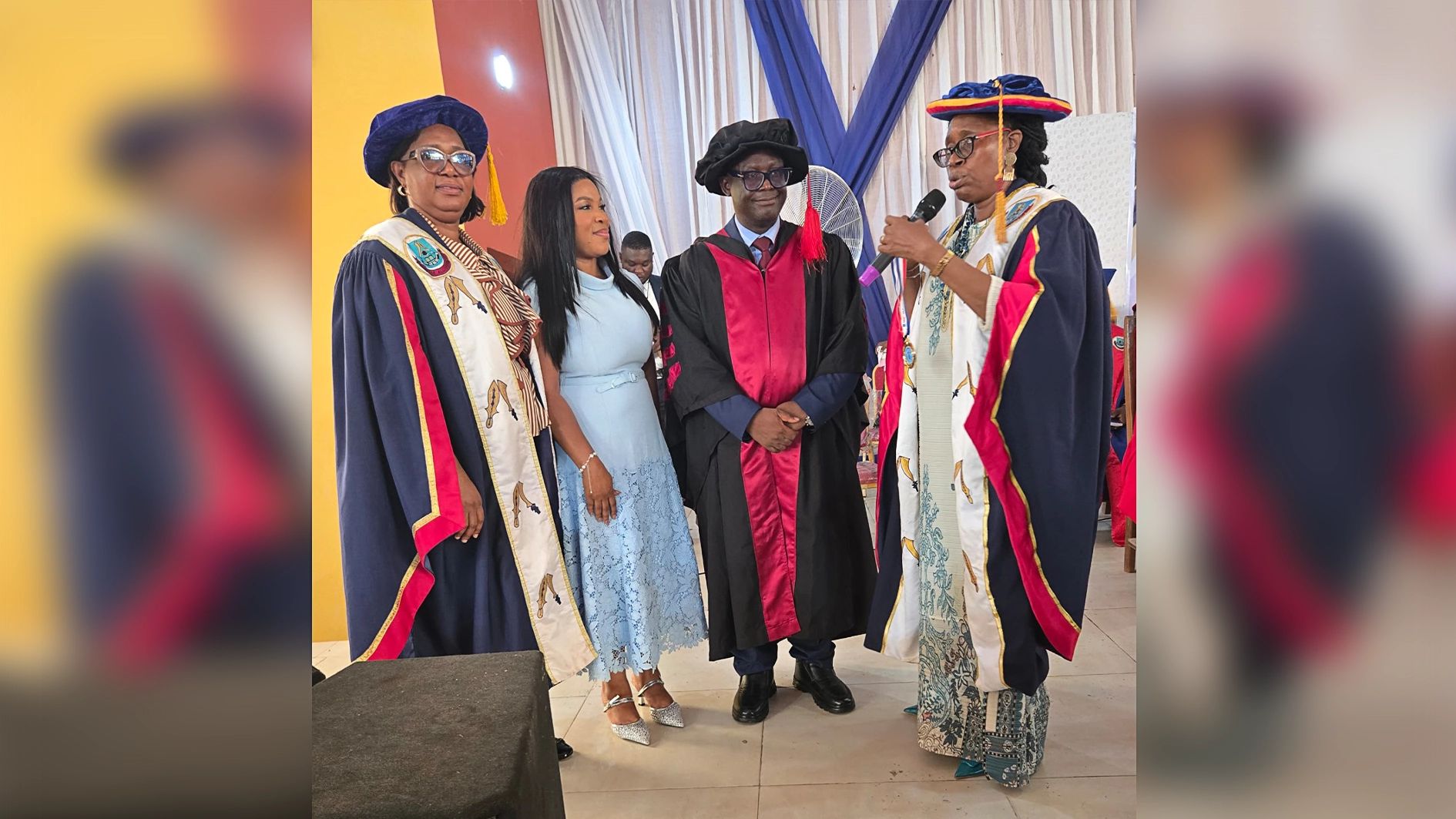
A Professor of perinatal obstetrics and gynaecology has linked Nigeria’s maternal health crisis to a surge in non-communicable diseases, warning that conditions experienced during pregnancy may predispose children to illnesses such as diabetes, hypertension and cardiovascular disease later in life.
Delivering the 145th inaugural lecture at Ambrose Alli University, Prof. Reuben Eifediyi said experiences in the womb could leave what he described as a “permanent biological signature” that shapes health outcomes far beyond birth.
He cited Nigeria’s maternal mortality figures as a major concern, noting that the country accounts for nearly 20 per cent of global maternal deaths despite having about one per cent of the world’s population.
According to him, Nigeria records a maternal mortality ratio of 917 deaths per 100,000 live births, about 40,000 pregnancy-related deaths annually, and a lifetime risk of one in 22 for women dying from pregnancy-related causes. He added that up to 80 per cent of such deaths are preventable through cost-effective interventions.
Speaking on the theme, The Child is the Father of the Man, Eifediyi explained that maternal nutrition, stress and illness during pregnancy could permanently programme a child’s metabolism and physiology.
Drawing on Barker’s hypothesis, also known as the developmental origins of health and disease, he said babies exposed to deprivation in utero may adapt biologically in ways that increase their risk of obesity, type 2 diabetes, hypertension and heart disease, particularly when they later encounter calorie-rich environments.

The professor stressed that low birth weight should not be seen only as a neonatal concern but as an early warning sign of susceptibility to non-communicable diseases in adulthood. He noted that the foetus is not a “blank slate,” arguing that nutritional deficiencies or stress during pregnancy could shape lifelong health outcomes.
He maintained that pregnancy care should therefore be viewed not only as ensuring safe delivery but also as a long-term strategy for disease prevention.
Eifediyi further linked major pregnancy complications such as preeclampsia, fetal growth restriction and preterm labour to defective placentation, describing the placenta as a critical interface between maternal health and foetal development. He warned that inadequate maternal care today could contribute to the chronic disease profile of future generations.
Calling for a policy shift, he advocated moving from emergency-focused obstetric care to interventions beginning before conception and in early pregnancy. He urged stronger maternal nutrition programmes, early screening for high-risk pregnancies, the use of biomarkers to detect complications, and closer attention to the first 1,000 days from conception to age two, which he described as the most critical period for organ and brain development.
He also cited findings from research on Lassa fever in pregnancy at Irrua Specialist Teaching Hospital, where placental samples from infected mothers reportedly tested strongly positive for the virus, with severe maternal and foetal outcomes recorded. The findings, he said, underscored the need to treat maternal health as both an emergency issue and a developmental priority.
Eifediyi maintained that no society could attain true greatness if women continued to die while giving life, adding that a healthy pregnancy should be seen as one of the most effective forms of preventive medicine available to any nation.
In her remarks, the Vice-Chancellor of Ambrose Alli University, Prof. Eunice Omonzejie, said the lecture’s theme underscored the importance of the perinatal period in shaping future health outcomes. She congratulated Eifediyi on the milestone and urged participants to draw lessons to inform research, policy, and practice.
Omonzejie described the inaugural lecture series as a vital academic tradition that showcases years of scholarship and professional experience. She commended the lecturer for his contributions to maternal and child health, as well as his dedication to teaching, research and service.
She added that the university was regaining its standing in the academic community, citing the success of three Law graduates who earned First Class honours at the Nigerian Law School. She also highlighted other achievements, including the hosting of the fifth annual international conference by the Faculty of Social Sciences on artificial intelligence and emerging realities, and a health seminar and outreach programme organised by the National Association of Women Academics for staff welfare.

