 Follow Us on Google News
 Follow Us on Google Discover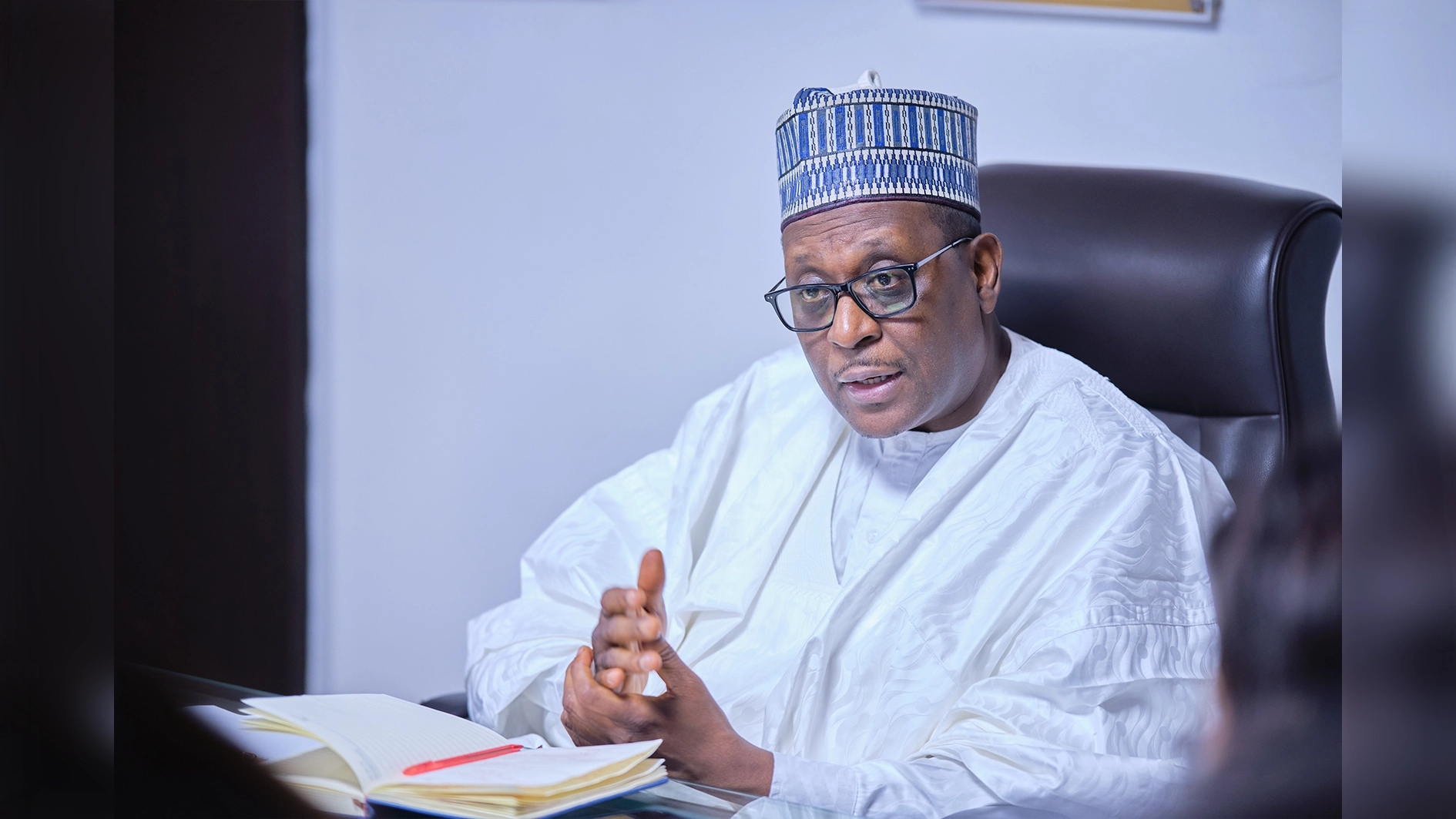
The federal government has launched a National Integrated Rehabilitation Services in Primary Health Care (PHC) in Nigeria as part of efforts to build a health system that is inclusive, resilient, equitable and responsive to the needs of every Nigerian.
Meanwhile, the government is advancing the integration of rehabilitation services and rehabilitation-related assistive products into the National Health Insurance framework in order to reduce the financial burden and out-of-pocket expenditure currently faced by Nigerians requiring rehabilitation services.
Minister of Health and Social Welfare, Prof Muhammad Ali Pate who disclosed this at the national launch of the initiative at the Doya Primary Health Care Centre in Bauchi State, noted that rehabilitation has become one of the defining priorities of global public health.
Adding that Nigeria currently has about 34,000 Primary Health Care Centres and have only about 5,000 licensed physiotherapists, alongside significant shortages in other rehabilitation professions.
He observed that this workforce is clearly insufficient to support the nationwide integration of rehabilitation services into Primary Health Care and called on all the professional associations within the rehabilitation family, including Physiotherapists, Occupational Therapists, Prosthetists and Orthotists, Speech and Language Therapists, Audiologists and every other rehabilitation profession, to work together in unity, mutual respect and shared purpose.
Pate stressed that in recognition of the growing burden of disability, injuries, ageing, non-communicable diseases and other health conditions requiring long-term functional support, the World Health Organization launched the Rehabilitation 2030 Initiative as a global call to action to address the enormous unmet needs for rehabilitation services.

He stated that the initiative challenged Member States to integrate rehabilitation into Universal Health Coverage and recognise rehabilitation as an essential health service available at every level of healthcare.
The minister observed that in Africa, these global aspirations culminated in the adoption of the WHO Regional Strategy to Strengthen Rehabilitation in Health Systems (2025-2035) adding that this Strategy recognises that over 210 million Africans require rehabilitation services, while more than sixty-three per cent of those in need are unable to access them.
He said, ” It therefore calls upon Member States to integrate rehabilitation into all levels of healthcare, particularly Primary Health Care, strengthen rehabilitation governance, financing, workforce development, systems emergency preparedness.”.
Pate emphasis that Nigeria has embraced this vision with determination and during the National Stakeholders’ Meeting held in 2023, stakeholders unanimously resolved that rehabilitation services should be integrated into Primary Health Care as the most effective means of expanding access to millions of Nigerians who require these services.
He pointed out that he approved the implementation of the WHO Rehabilitation 2030 Initiative in Nigeria and inaugurated the National Rehabilitation Technical Working Group in November 2024.
The minister described the launch as a defining moment in our determination to ensure that rehabilitation services become an integral component of Primary Health Care and are accessible to every citizen, particularly persons living with disabilities, older persons, survivors of trauma, people living with non-communicable diseases, and all those whose health conditions affect their ability to function and participate fully in society.
He noted that the initiative is firmly aligned with the Renewed Hope Agenda of the administration of His Excellency, President Bola Ahmed Tinubu, particularly its commitment to strengthening Primary Health Care, expanding access to quality healthcare services, promoting social inclusion, protecting vulnerable populations and ensuring that no Nigerian is left behind in accessing essential health services.
Pate noted that the programme also complements the Nigeria Health Sector Renewal Investment Initiative (NHSRII), through which the Federal Government is repositioning the health sector by strengthening governance, improving health infrastructure, expanding the health workforce and delivering quality healthcare closer to the people.
“The integration of rehabilitation into Primary Health Care is therefore not simply another programme of government; it is a strategic national investment in human capital development, Universal Health Coverage and sustainable national development”.
He urged the Medical Rehabilitation Therapists Board of Nigeria to continue reviewing its regulatory frameworks and, where appropriate, draw valuable lessons from the successful workforce expansion models adopted by the Nursing and Midwifery Council of Nigeria and the Pharmacists Council of Nigeria.
Pate observed that through strategic expansion of accredited training institutions, innovative educational pathways, competency-based training, strengthened regulation and effective workforce planning, the government can substantially increase the number of competent rehabilitation professionals while maintaining the highest standards of professional practice.
He said, “We are equally pursuing additional funding to replicate the Doya model in other Primary Health Care Centres across the country. The success of this initiative will ultimately depend on partnership, together, we can build a health system where rehabilitation services are no longer confined to tertiary hospitals but are available within communities through Primary Health Care, ensuring that every Nigerian has the opportunity to attain the highest possible level of functioning, independence and quality of life.
He observed that the National Minimum Benchmark Framework for the integration of rehabilitation services and workforce requirements into Primary Health Care has been approved to provide the operational standards that will guide implementation across the country and ensure quality, consistency and accountability
Earlier, the Registrar and Chief Executive Officer of the Medical Rehabilitation Therapists Board of Nigeria, Yusuf Ahmad, said that the launch of the initiative is a defining moment in the country’s healthcare system.
He observed that the rehabilitation services have remained largely confined to secondary and tertiary hospitals for more than six decades, leaving many Nigerians in rural communities without access to essential care.
Ahmad stated that the Board had already digitised its regulatory processes, reviewed professional guidelines and strengthened accreditation systems to support the expansion of rehabilitation services nationwide.
He implored physiotherapists, occupational therapists, prosthetists and orthotists, speech and language therapists, audiologists and other rehabilitation professionals to work together to ensure the success of the programme.
Earlier, the Registrar and Chief Executive Officer of the Medical Rehabilitation Therapists Board of Nigeria, Yusuf Ahmad, described the launch as a defining moment in the country’s healthcare system.
According to him, rehabilitation services have remained largely confined to secondary and tertiary hospitals for more than six decades, leaving many Nigerians in rural communities without access to essential care.
“Today’s launch represents the fulfilment of years of advocacy, collaboration and policy development,” Ahmad said.
He noted that the Board had already digitised its regulatory processes, reviewed professional guidelines and strengthened accreditation systems to support the expansion of rehabilitation services nationwide.
Ahmad assured the federal government that the Board would continue to provide effective regulatory leadership to ensure quality, safe and ethical rehabilitation services across the country.
He also urged physiotherapists, occupational therapists, prosthetists and orthotists, speech and language therapists, audiologists and other rehabilitation professionals to work together to ensure the success of the programme.
A major highlight of the launch was the donation of rehabilitation equipment and materials by the Foundation for Empowering Persons with Disabilities through Medical Rehabilitation.
The Foundation’s Chairman, James Lalu, also announced the sponsorship of the salary of a physiotherapist for one year to provide rehabilitation services at the Doya Primary Health Care Centre.
The event was attended by officials of the Bauchi State Government, the National Primary Health Care Development Agency, representatives of the World Health Organisation, development partners, professional associations, organisations of persons with disabilities and traditional leaders.

