The Federal Government has inaugurated the Inter-Ministerial Steering Committee (IMSC) of the newly established Nigeria Power-for-Health Initiative (NPHI) as part of efforts to ensure sustainable and reliable electricity supply across all health facilities in the country.
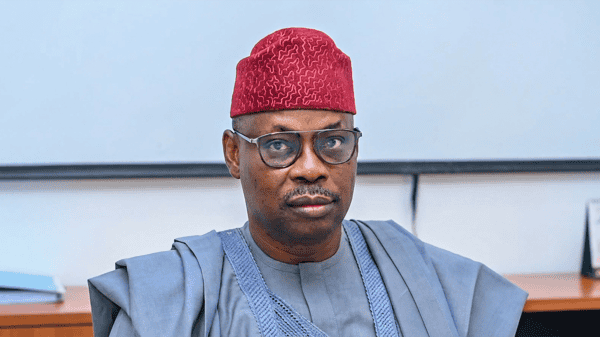
Inaugurating the committee in Abuja, the Minister of State for Health and Social Welfare, Dr Iziaq Salako, said persistent power shortages continue to disrupt medical services and put lives at risk. He disclosed that President Bola Tinubu has directed that the energy crisis in hospitals be urgently resolved.
“Energy is a core determinant of population health outcomes and a critical enabler for the attainment of Universal Health Coverage,” he said. According to him, energy insufficiency in hospitals has become both an emergency and a major disruptor of essential health services.
Salako recalled that efforts to strengthen power supply in the health sector began earlier in the year with the National Stakeholders’ Dialogue on Power in the Health Sector, after which recommendations were submitted to the President. One key approval, he noted, was the establishment of a health-sector–specific energy coordination framework through the NPHI.
He described the committee’s inauguration as “the first step in building the foundational structure for the Nigeria Power-for-Health Initiative, in line with the Presidential directive.”
The NPHI, he explained, is an inter-ministerial and public–private initiative jointly led by the Federal Ministry of Health and Social Welfare and the Federal Ministry of Power, designed to coordinate all health sector electrification projects and interventions.
It aims to strengthen policy and regulatory frameworks, standardise sustainable energy solutions for health facilities, build technical capacity, expand public–private partnerships, mobilise financing, promote accountability, and deepen inter-sectoral collaboration.
Under the approved administrative structure, the Inter-Ministerial Steering Committee will be chaired by the Minister of State for Health and co-chaired by the Minister of Power. Other components include an Inter-Agency Technical Committee, a Project Delivery Unit, and Facility Energy Management Committees.
Salako urged committee members to view their assignment as a national duty, noting that reliable electricity is essential to save women and children who risk losing their lives due to power cuts during critical medical procedures. He added that the initiative reflects the aspirations of health workers who deserve a safe and efficient work environment.
The minister also commended development partners, including the World Bank, and private sector stakeholders for supporting efforts to strengthen healthcare delivery across Nigeria.