 Follow Us on Google News
 Follow Us on Google Discover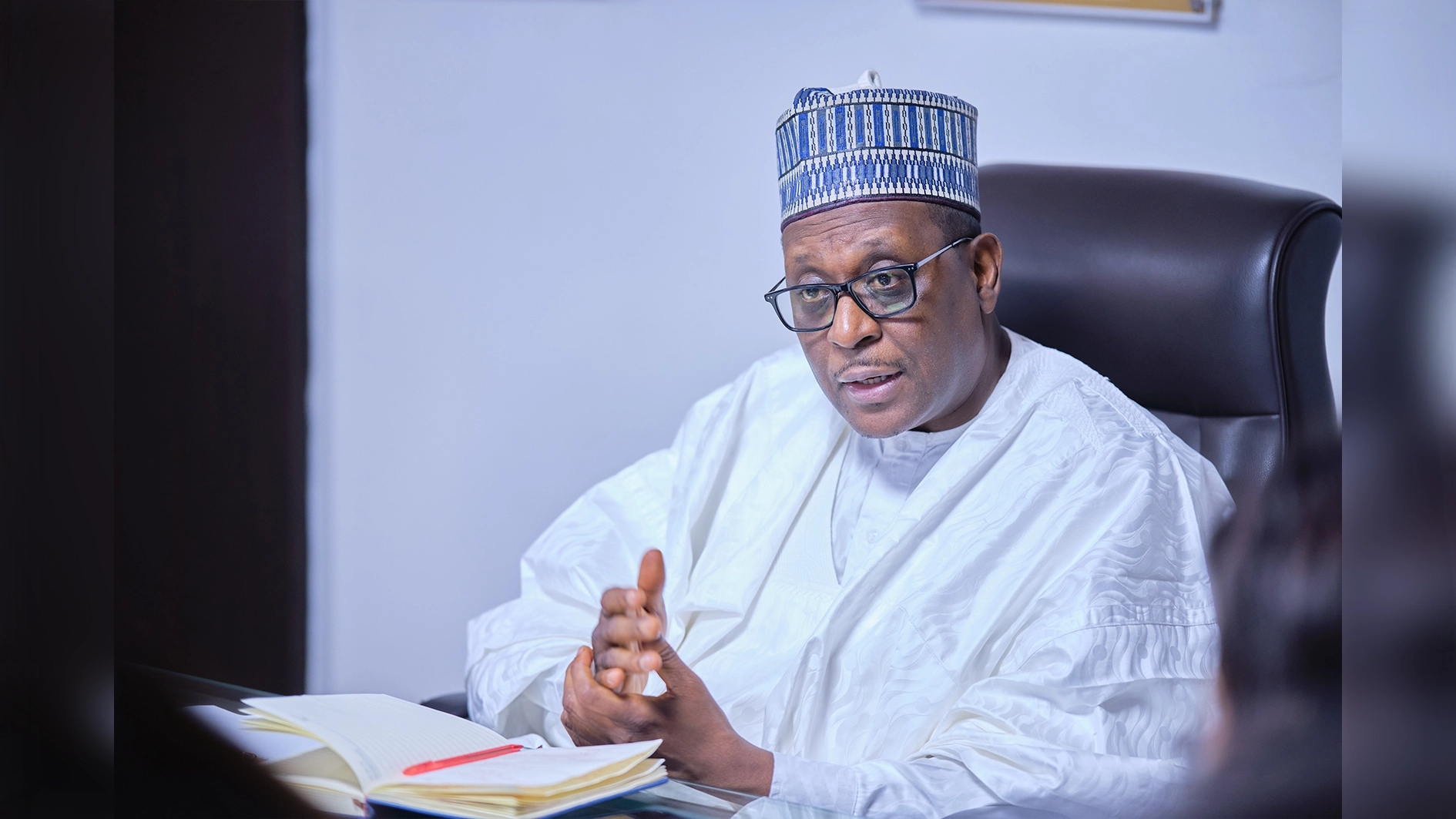
The Federal Government has launched Nigeria’s first-ever National Bleeding Disorders Registry to tackle haemophilia and other inherited bleeding conditions.
The initiative was unveiled alongside the “Road to Clot” programme, designed to identify undiagnosed individuals, connect them to appropriate diagnostic and treatment centres, and ensure access to long-term care.
Haemophilia, a lifelong bleeding disorder caused by clotting factor deficiencies, continues to pose significant health risks in Nigeria. According to government estimates, haemophilia A affects about one in 5,000 people, while haemophilia B affects one in 10,000. However, only about three per cent of affected individuals have been diagnosed, highlighting a major public health gap.
The condition occurs when the body lacks sufficient levels of essential clotting proteins known as clotting factors that help stop bleeding after injury. In people living with haemophilia, this process is impaired, meaning even minor injuries can lead to prolonged or excessive bleeding.
Minister of Health and Social Welfare, Prof Muhammad Pate, disclosed this during the commemoration of the 2026 World Haemophilia Day in Abuja. He noted that early diagnosis remains critical to effective treatment, stressing that without proper identification, patients are often denied life-saving care.
“Early diagnosis is the difference between life and preventable complications, between disability and productivity, and between despair and hope,” he said.

Represented by the Director of Health Planning, Research and Statistics, Dr Kamil Shoretire, the minister acknowledged the challenges faced by people living with haemophilia and assured them of government support.
He described the initiative as a critical turning point in Nigeria’s response to haemophilia, particularly in addressing widespread underdiagnosis.
The registry is expected to provide comprehensive data for improved patient tracking, better treatment outcomes, and evidence-based policy planning.
The government also outlined ongoing and planned interventions, including integrating haemophilia care into maternal and child health services, expanding awareness campaigns, and institutionalising early detection through newborn screening.
Earlier, Permanent Secretary in the ministry, Daju Kachollom, lamented that haemophilia remains largely undiagnosed in Nigeria, with many sufferers experiencing chronic pain and life-threatening complications without knowing the cause.
Represented by the Director of Public Health, Dr Charles Nzelu, she called for stronger collaboration among stakeholders, including healthcare providers, civil society organisations, and development partners, to improve awareness, diagnosis, and management of the condition.
Also speaking, Consultant Haematologist and Vice President of the Haemophilia Foundation of Nigeria, Prof Teresa Nwagha, noted that fewer than 1,000 Nigerians are currently identified as living with the condition, despite thousands likely affected. She described the event as a historic milestone.
“This is the first time the Federal Ministry of Health is formally recognising and commemorating World Haemophilia Day in Nigeria,” she said.
She emphasised that delayed diagnosis often leads to preventable disabilities and stigma, with many cases wrongly attributed to cultural or supernatural causes.
Founder and Executive Director of the Haemophilia Foundation of Nigeria, Megan Adediran, who represented the President of the World Federation of Haemophilia, Cesar Garrido, called for urgent reforms in treatment access, warning that Nigeria’s reliance on donated treatment products is unsustainable.
Adediran said patients in Nigeria currently depend almost entirely on donated clotting factors, a situation she described as precarious and unacceptable.
“Nigeria depends 100 per cent on donated products. If there is no donation and a child is bleeding, we have nothing to offer,” she said.
She cited recent disruptions in global supply chains, including airspace closures linked to geopolitical tensions, which delayed shipments of treatment products and forced some patients off preventive therapy.
“This is not sustainable. These are Nigerians and they deserve healthcare. Donations cannot last forever,” she stressed.
Adediran described the commemoration as not just symbolic, but a call to action to identify undiagnosed patients, expand access to treatment, and amplify the voices of women and girls living with bleeding disorders.
She also recounted the generational toll of the disease, revealing that members of her own family had died from undiagnosed bleeding disorders, underscoring the urgent need for systemic intervention.
“My grandmother lost nine sons; my great-grandmother lost four sons. I do not want to see another generation go through that,” she said.

