 Follow Us on Google News
 Follow Us on Google Discover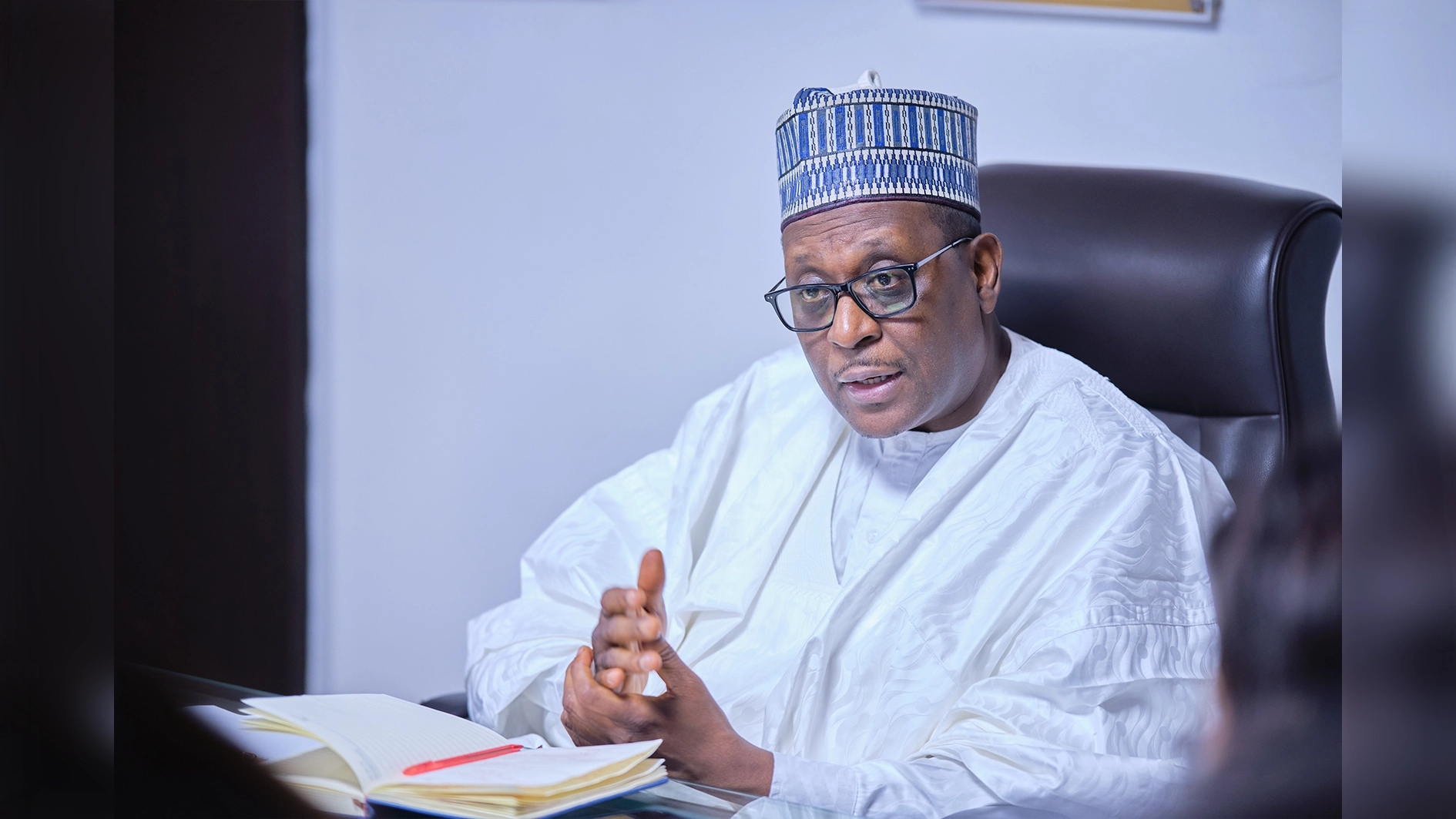
Urges Nigeria to ensure sustainable funding for TB
The Global Fund has allocated about N1.16 trillion ($790 million) to support HIV, Tuberculosis (TB), malaria, and health systems strengthening in Nigeria for the 2027–2029 implementation period.
Findings indicate that the Federal Government is expected to provide 15 percent counterpart funding in addition to its co-financing commitments under the Global Fund’s Grant Cycle 7 (GC7).
However, the Global Fund has cautioned against any disruption in funding for TB control, warning that Nigeria risks reversing the gains made in combating the disease if adequate domestic financing is not sustained.
The organisation stressed that with continued investment, stronger health systems, and sustained innovation, Nigeria can eliminate TB as a public health threat.
The Global Fund Team Lead in Nigeria, Jean-Thomas Nouboussi, made this known at the official launch of Lenacapavir (LEN) PrEP for HIV prevention and the unveiling of the Multisectoral Accountability Framework for TB (MAF-TB) application in Abuja.
He noted that Nigeria has recorded significant progress in TB control, with treatment coverage rising from about 100,000 cases in 2019 to approximately 458,000 cases in 2025.
According to him, treatment coverage has reached about 90 percent, with a high rate of successful outcomes, making Nigeria’s TB programme one of the strongest supported by the Global Fund.
“This achievement has been driven by the country’s early adoption of new technologies and innovations. While the Global Fund remains a committed partner, sustaining these gains depends on strong national ownership and consistent government funding,” he said.
Nouboussi emphasized that uninterrupted funding is critical to maintaining progress, warning that any gaps could undermine the advances already made.
He also highlighted the deployment of Lenacapavir (LEN) PrEP as a major milestone under the Global Fund Strategy 2023–2028, aimed at expanding access to innovative HIV prevention tools.
The Global Fund, he said, plans to reach two million people with Lenacapavir by 2028 across nine early adopter countries, including Nigeria, which is expected to receive about 179,700 doses.
He described Lenacapavir as a major advancement in HIV prevention, noting that its long-acting injectable format helps address adherence challenges associated with daily oral medication.
“It offers hope for reaching populations previously underserved due to adherence barriers. For the first time, a new HIV prevention tool is being introduced simultaneously in developing and developed countries,” he added.
In his remarks, the Minister of State for Health and Social Welfare, Dr. Adekunle Salako, said Nigeria’s TB response has achieved significant milestones, with case notifications rising from 130,591 in 2020 to 440,000 in 2025—the highest ever recorded in the country.
He attributed the progress to the expansion of diagnostic infrastructure, particularly the GeneXpert network, which has grown from 32 machines in 2012 to 527 nationwide.

Salako added that treatment centres increased from 39 in 2013 to 372 currently, while treatment success rates remain high at 94 percent.
Despite these gains, he noted that many TB cases remain undiagnosed, underscoring the need for sustained innovation, wider access, and increased domestic funding.
On HIV, the minister said Nigeria has made strong progress toward the UNAIDS 95-95-95 targets, with 93 percent of people living with HIV aware of their status, 99 percent of those diagnosed on sustained treatment, and 95 percent of those on treatment achieving viral suppression.
He also noted improvements in the Prevention of Mother-to-Child Transmission (PMTCT) programme, with coverage rising from 33 percent in early 2023 to nearly 70 percent by the end of 2025.
Salako described Lenacapavir as a transformative tool in HIV prevention, citing its twice-yearly injectable format, high efficacy, and convenience, especially for individuals facing stigma or challenges with daily medication adherence.
He reaffirmed the government’s commitment to sustaining funding for TB and HIV programmes as part of Nigeria’s universal health coverage agenda.
Also speaking, the Coordinating Minister of Health and Social Welfare, Prof. Muhammad Ali Pate, stressed the need for efficient use of resources amid shifting global financing realities.
“The global landscape is changing rapidly, with financing becoming increasingly constrained. In such a context, innovation becomes critical to sustaining progress,” he said.
Pate noted that while Nigeria has recorded notable achievements in combating HIV, TB, and malaria over the past 25 years, evolving global challenges require new approaches and strategies.
He added that less than 10 percent of Nigeria’s health financing is externally sourced, while over 90 percent is funded domestically through government spending and household contributions, highlighting the importance of efficient resource utilization.

