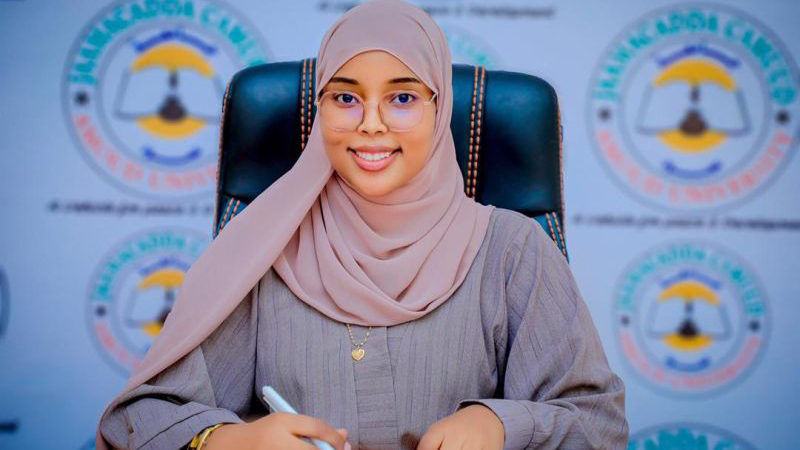
Nigeria is marking World AIDS Day by celebrating Lateefat Abiodun Mosaku, a leading epidemiologist whose work has reshaped the country’s HIV surveillance system and strengthened national public-health decision-making. At a time when Nigeria continues to confront one of the world’s largest HIV burdens, Mosaku is being recognised for the reforms she helped drive in digital HIV data management, case reporting and community-level monitoring.
Mosaku, known for her expertise in HIV-surveillance modernisation, has been central to the shift from fragmented paper-based reporting to the digital, real-time data systems now used to guide federal and state responses. Her technical leadership supported the development of digital case-reporting platforms, strengthened national data-quality assurance processes and improved the reliability of surveillance information used in epidemic-control planning.
Her work enhanced Nigeria’s ability to track HIV testing outcomes, monitor linkage to care, follow treatment continuity and measure viral suppression across communities with high HIV prevalence. National teams now access more complete and timely data, helping them identify service gaps, channel resources more effectively and anticipate localised trends that require urgent intervention.
At federal level, Mosaku contributed to the redesign of HIV monitoring frameworks by aligning facility records, antiretroviral therapy registers and national surveillance summaries. These improvements resolved long-standing issues such as under-reporting and reporting delays, which previously undermined the accuracy of national HIV estimates.
Her contributions also informed the adoption of digital documentation practices aligned with World Health Organisation standards. Through training programmes she led for health workers and data personnel, Nigeria expanded its capacity for case surveillance, viral-suppression monitoring and early detection of outbreaks. These systems have since been institutionalised by several public-health agencies and are now serving as internal models for wider national use.
On this World AIDS Day, Mosaku’s achievements highlight the increasingly important role of women in digital public health and applied epidemiology. By integrating community-centred approaches with modern data systems, she helped ensure that Nigeria’s HIV-response efforts capture populations often left behind in conventional surveillance, including adolescents, pregnant women and other vulnerable groups.
Her work has reinforced the country’s preparedness for future public-health challenges by improving visibility of population-level outcomes and enabling evidence-based planning across health ministries and implementing partners. The strengthened surveillance backbone she helped build is now contributing to Nigeria’s progress toward epidemic-control targets and more equitable access to HIV care and treatment.
As the country reflects on this year’s World AIDS Day theme, Mosaku’s contributions stand as a reminder of the enduring importance of reliable data and digital innovation in national health security. Her leadership places her among a growing cadre of Nigerian epidemiologists shaping the future of HIV surveillance and public-health intelligence nationwide.