 Follow Us on Google News


 Follow Us on Google Discover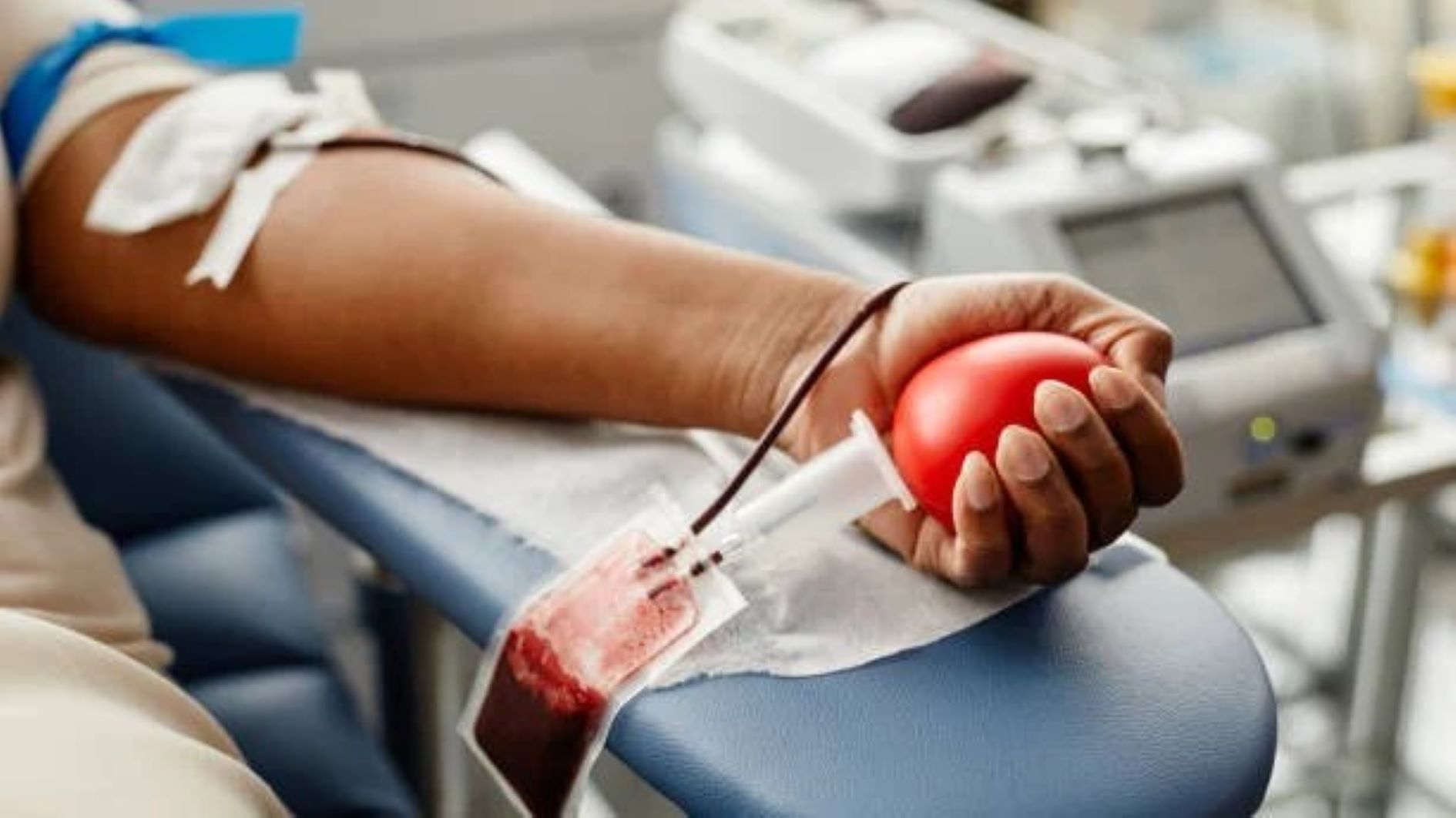
The National Blood Service Agency (NBSA) has raised concerns over Nigeria’s widening blood supply gap, revealing that the country currently meets only about one-third of its annual blood requirement.
The agency disclosed this at a stakeholders’ meeting held in Oyo State, with the theme: “Normalising Voluntary Blood Donation: The Role of Different Stakeholders in Transfusion Medicine.” The meeting brought together government officials, haematologists, development partners, healthcare providers, voluntary blood donors and civil society organisations to discuss strategies for strengthening Nigeria’s blood transfusion system.
In his welcome address, South-West Zonal Director of the NBSA, Dr Oladapo Aworanti, said the engagement was organised to review the agency’s activities and develop practical solutions to challenges affecting blood transfusion services nationwide.
He said the agency remains committed to ensuring that safe and adequate blood is available to every Nigerian in need. “Our agenda covers every phase of transfusion medicine, from voluntary blood donation to safe laboratory screening and effective transfusion practices.
This is designed to reposition blood transfusion services and chart a collective path forward,” he said.
Aworanti said Nigeria’s blood supply remains grossly inadequate despite its large population, noting that the World Health Organisation recommends that at least one per cent of a country’s population should donate blood annually to meet national needs.
“If Nigeria has about 220 million people, our annual blood requirement should be about 2.2 million units of blood. If we are 250 million, the demand rises to 2.5 million units,” he said.
“Sadly, across Africa, including Nigeria, we can only meet the needs of one out of every three people requiring blood transfusion. If three patients urgently need blood today, we struggle to provide blood for just one of them.”
He also expressed concern over the reliance on commercial or paid blood donors, warning that it presents additional safety risks for patients. The NBSA director stressed that increasing voluntary, unpaid blood donation remains the safest and most sustainable approach to achieving adequate blood supply.
Delivering the keynote lecture, Professor of Haematology and Dean of the Faculty of Basic Clinical Sciences, College of Medicine, University of Ibadan, Taiwo Kotila, described voluntary blood donation as the foundation of an effective healthcare system.
Kotila said many preventable deaths linked to childbirth complications, road accidents, major surgeries, childhood anaemia, cancer and other medical emergencies could be avoided if safe blood was readily available.
“Blood is the only medicine that cannot be manufactured in any laboratory. It can only come from healthy people who willingly donate to save the lives of others,” she said.
She urged Nigerians to embrace regular voluntary blood donation, noting that dependence on family replacement donors and commercial donors is neither sustainable nor the safest option.
“Countries with efficient blood transfusion systems depend largely on voluntary and unpaid donors. Nigeria must deliberately build that culture if we are serious about guaranteeing safe blood for every patient who needs it,” she said.
Kotila explained that a single blood donation could benefit several patients because donated blood can be separated into different components for treating different medical conditions.
“Every eligible Nigerian should see blood donation as an act of humanity and civic responsibility. One unit of blood has the potential to save multiple lives,” she added.
She called for stronger collaboration among governments, healthcare institutions, educational institutions, religious organisations, corporate bodies and development partners to promote voluntary blood donation.
She also urged healthcare providers to maintain global standards in blood screening, storage and transfusion, stressing that increasing supply must go alongside ensuring safety.
Permanent Secretary of the Oyo State Ministry of Health, Dr Akintunde Ayinde, represented by the Director of Medical Laboratory Services, Dr Kehinde Adegoke, said the state government is strengthening its regulatory framework to improve blood transfusion services.
“The government is aware of these challenges and is working to ensure that the necessary legal framework is in place. Beyond legislation, we have monitoring teams that regularly inspect healthcare facilities to ensure compliance with approved standards,” he said.
Adegoke said healthcare facilities found violating blood transfusion regulations would face appropriate sanctions, including closure where necessary.
He commended the NBSA for supporting Oyo State with blood screening services and improving safety standards. “The NBSA has remained a dependable partner. They have continued to support the state by ensuring that blood used for transfusion is properly screened and complies with quality management standards,” he said.
The Executive Secretary of the Lagos State Blood Transfusion Service, Dr Bodunrin Osikomaiya, shared Lagos’ experience in strengthening blood transfusion services through sustained public awareness, improved regulation and institutional support.
She urged other states to adopt successful strategies that have improved voluntary donation and blood safety in Lagos, stressing that collaboration and knowledge-sharing among states would strengthen Nigeria’s healthcare system.

