 Follow Us on Google News


 Follow Us on Google Discover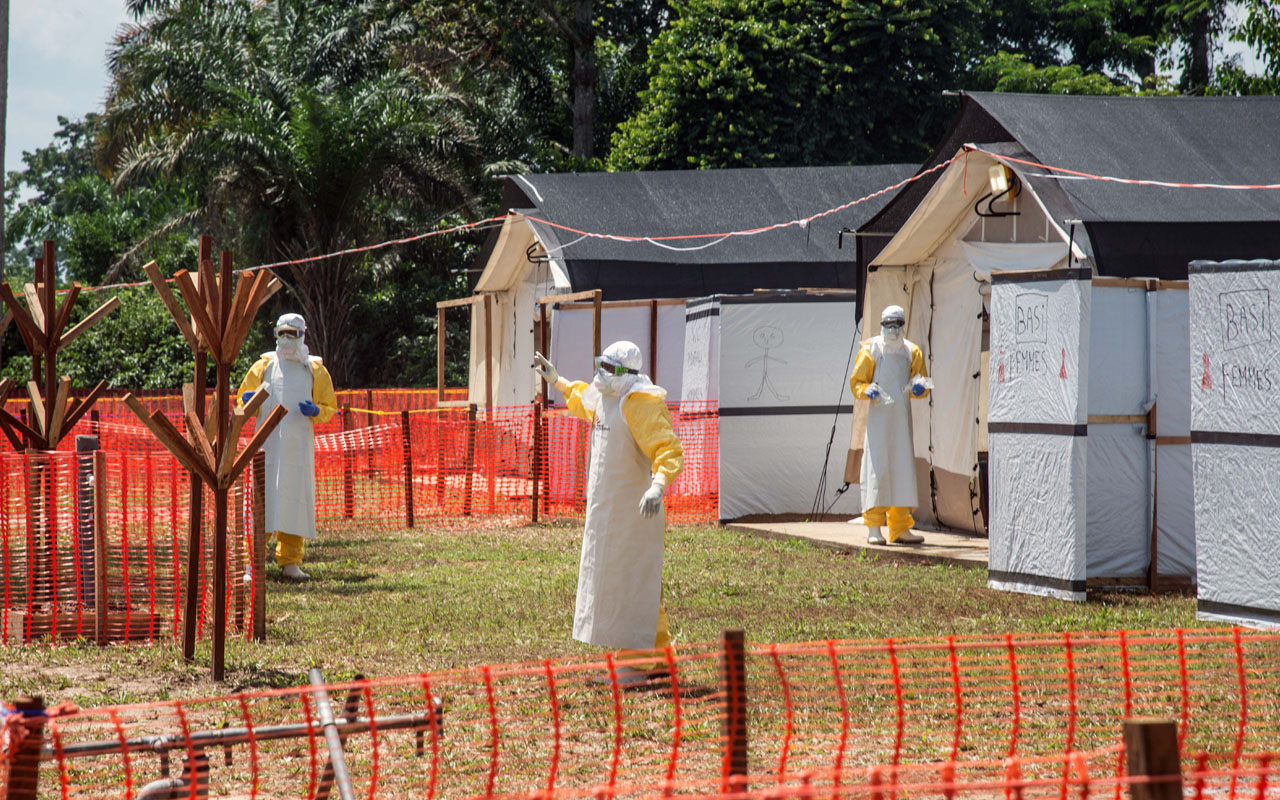

Nearly a decade has passed since the devastating Ebola epidemic swept across West Africa, leaving a trail of destruction with a 90% fatality rate.
[ad]
As scientists continue to explore the difficulties encountered in managing the spread of the virus, West Africa remains vulnerable to recurring health crises. The region’s complex cultural and religious setting continues to pose significant challenges to public health interventions, as highlighted during the 2014 Ebola outbreak, where traditional burial practices played a pivotal role in transmitting the disease.
A recent review by Iyobosa Omoregie, a public health epidemiologist from North Dakota State University, sheds light on these issues. The study, titled “West African Ebola Virus Disease Epidemic: A Major Shift in Traditional and Religious Burial Practices,” delves into how entrenched cultural practices, particularly those related to funeral rites, contributed to the rapid spread of the Ebola Virus Disease (EVD) in West Africa.
EVD, recognized as one of the deadliest viral diseases globally, has historically caused severe outbreaks in Central Africa. The 2014 West African epidemic, however, marked a significant turning point, with over 11,000 confirmed cases and approximately 6,841 deaths by the end of that year. The epidemic’s swift spread in Guinea, Liberia, Sierra Leone, and Nigeria was largely driven by traditional practices involving the washing and touching of deceased individuals, customs that, despite their cultural significance, became key vectors for the virus.
[ad]
Omoregies review emphasizes the delicate balance that public health officials must maintain between respecting cultural traditions and implementing crucial, life-saving interventions. The research underscores the efforts of organizations like the U.S. Centers for Disease Control and Prevention (CDC) and the Sierra Leonean Ministry of Health, who worked to re-evaluate and modify burial practices to curb transmission risks. Introducing protocols for “safe and dignified burials,” which included training burial teams and providing personal protective equipment, helped mitigate the spread of the virus. Although these measures initially faced resistance from local communities, they were ultimately essential in controlling the outbreak.
Building on previous studies, including a 2005 analysis of cultural challenges during the Marburg virus outbreak in Angola and a 2009 investigation into barriers to public health interventions during the meningitis epidemic in Nigeria, Omoregies work highlights the critical need for culturally tailored health strategies. These studies collectively advocate for the importance of community engagement and education as central elements in overcoming resistance to necessary public health measures.
The 2014 Ebola crisis not only tested the resilience of West Africa’s healthcare systems but also underscored the importance of culturally sensitive public health strategies. As the region braces for future health challenges, Omoregies research serves as a vital guide for health authorities, emphasizing the integration of cultural and religious considerations into public health planning and response efforts.
In a region where tradition and religion are deeply woven into the social fabric, the lessons from the Ebola outbreak are clear: public health interventions must be developed with a profound understanding of local customs to be both effective and respectful of the communities they are designed to protect.
[ad]


