 Follow Us on Google News
 Follow Us on Google Discover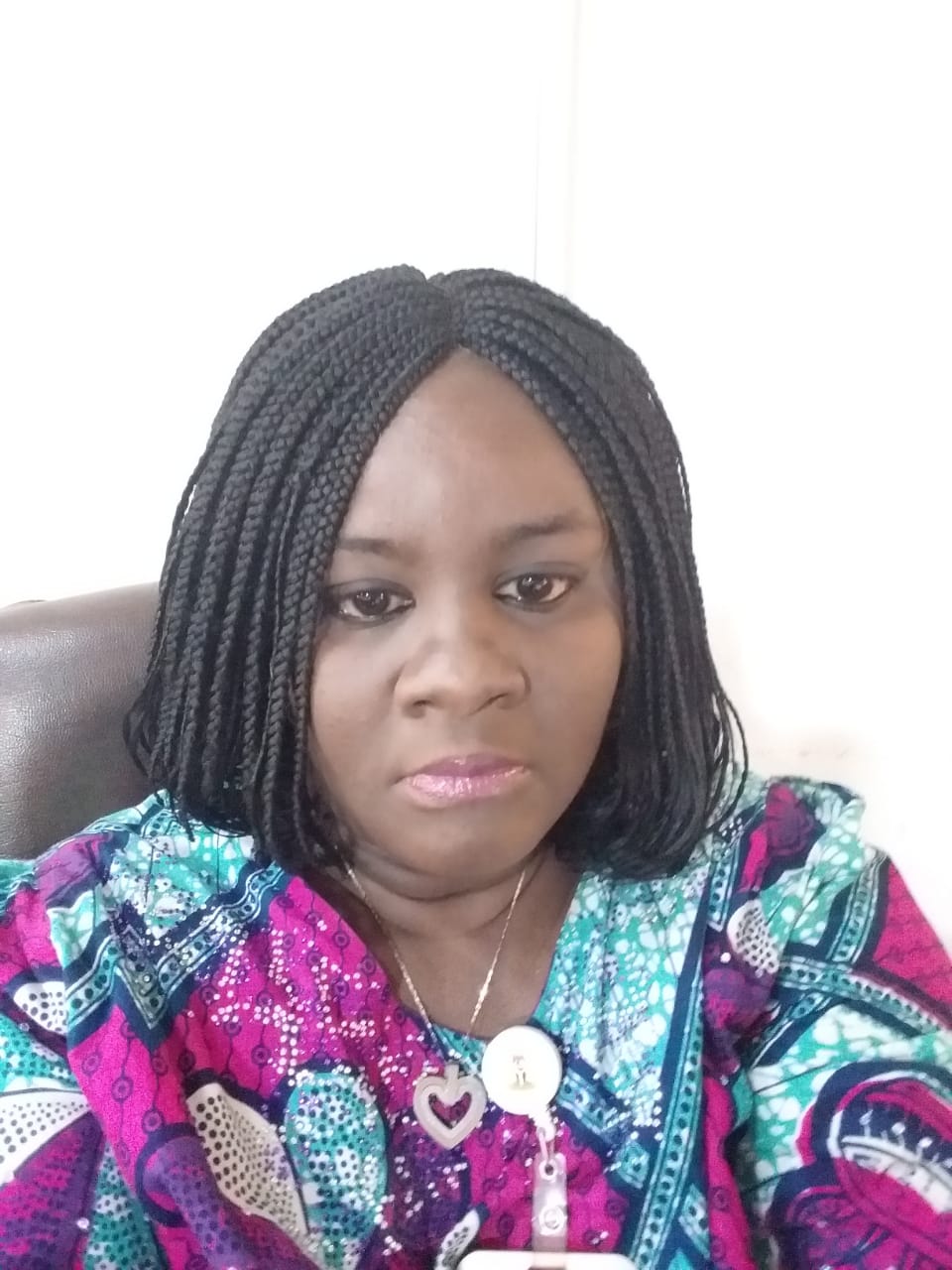
In Nigeria, HIV continues to affect people across all categories, with women and girls bearing a disproportionate burden of the epidemic. Men, boys, and other vulnerable populations—including adolescents and young people—are also significantly impacted. Mercy Nkechi Egemba, a public health expert at the National Agency for the Control of AIDS (NACA), has spent more than a decade advancing programmes, policies, and strategies that promote HIV prevention, treatment, care, and support, with emphasis on gender equality, human rights, and economic empowerment. As she often emphasises, lasting progress in the national HIV response is built on collaboration, shared vision, and collective action.
Mercy’s passion and dedication have been pivotal in making Nigeria’s HIV programmes more gender-responsive, yet she has always approached her work as part of a collective effort. Collaborating closely with government colleagues, civil society groups, international partners, and communities, she has campaigned for an inclusive HIV response that leaves no one behind. As a core member of the national team that conducted two Gender Assessments of the HIV Response in 2013 and 2022, Mercy worked alongside experts from the United States Government, the United Nations, and various non-governmental and community-based organisations. Together, they examined how poverty, gender inequality, and gender-based violence heighten HIV vulnerability—particularly among women and girls—and identified ways to strengthen protection and access for all. Their findings informed the National HIV/AIDS Strategic Plan (2023–2027) and other key national policies and instruments, helping ensure that gender equality is no longer an afterthought but a cornerstone of Nigeria’s HIV response.
Her influence also extends to the legal front. Working alongside relevant units in NACA, networks of people living with HIV, and civil society advocates at various levels, Mercy Egemba played a notable role in the dissemination of the HIV and AIDS (Anti-Discrimination) Act of 2014. The law was also simplified into plain language and local dialects, ensuring people could understand and claim their rights. Through coordinated advocacy visits across 21 states—and with support from national and international partners—the team’s collective efforts led to 18 states domesticating the law, transforming policy into protection for those most affected.
Mercy has also worked closely with data analysts, programme officers at all levels, and community networks to design frameworks that not only measure progress but also tell human stories. For Mercy Egemba, every statistic represents a person. Their collaborative work on Global AIDS Monitoring and other international reports ensures that Nigeria’s progress is visible internationally, while leaving no one behind.
Mercy’s advocacy also extends to economic empowerment, a cause she continues to advance through strong partnerships. Working with Global Fund, United Nations, and World Bank–supported programmes, she has helped champion initiatives that equip women, girls, and other vulnerable or indigent groups affected by HIV with vocational skills, small grants, and sustainable livelihood opportunities. These collaborative efforts have helped reduce HIV vulnerability by promoting financial independence, self-reliance, and the confidence to make healthier life choices.
Beyond national borders, Mercy’s work has reached global platforms. She has represented Nigeria at the Technical Exchange and Training Workshop of South–South Cooperation on HIV Prevention and Control in Beijing, China, alongside a colleague from the Nigeria Centre for Disease Control (NCDC). She has also contributed as part of Nigerian delegations to the International AIDS Conferences, the Beijing +20 Reviews, and Commission on the Status of Women submissions. In each space, she amplifies not just her own voice but those of countless partners, colleagues, and communities working together for equality and justice in the HIV response.

Today, Mercy is collaborating with data scientists and health innovators to explore how digital tools and predictive models can enhance programme efficiency. Yet her message remains consistent: technology must serve people—especially those most in need.
From reshaping national strategies to strengthening laws, empowering communities, and advancing global dialogue, Mercy Nkechi Egemba’s story reflects the strength of teamwork. Her story is proof that lasting progress against HIV and AIDS comes not only from passion and expertise, but from partnerships built on trust, respect, and a shared commitment to health, rights, and dignity for all.

