 Follow Us on Google News


 Follow Us on Google Discover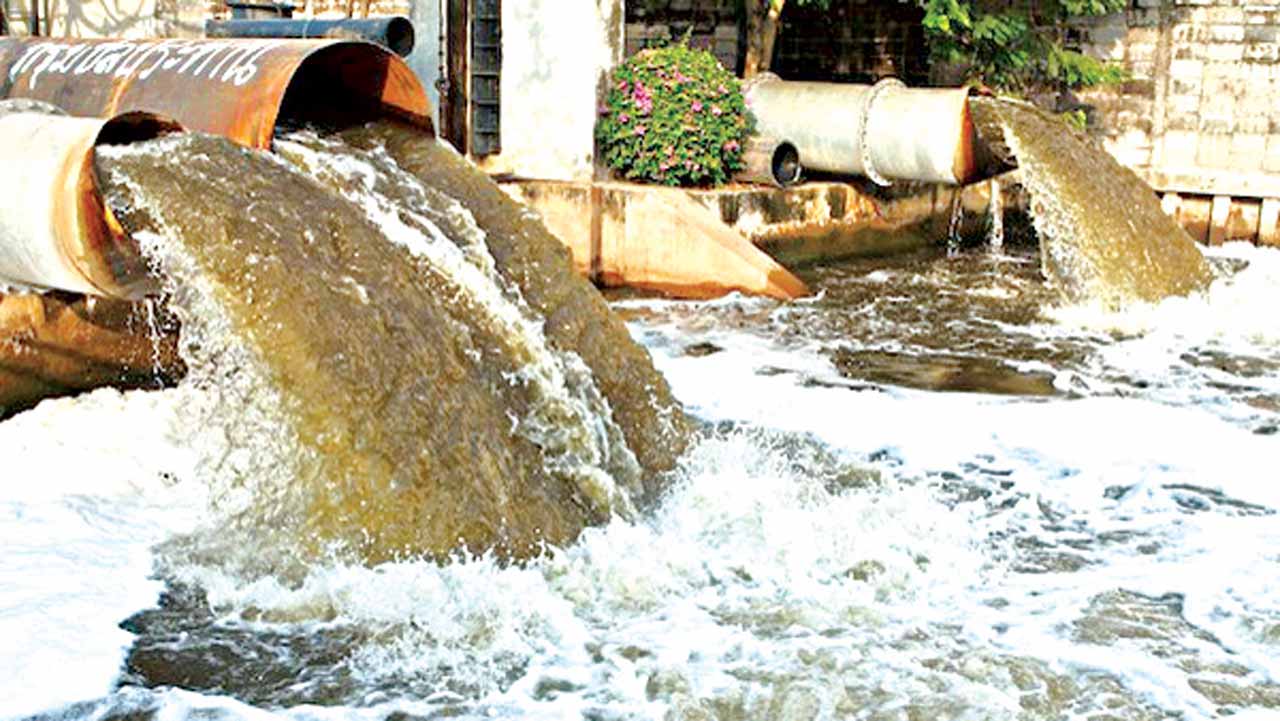
Researchers at the Nigerian Institute of Medical Research (NIMR) have called for the national adoption of wastewater surveillance as a cost-effective early warning system to strengthen Nigeria’s epidemic and pandemic response.
The research lead and Senior Research Scientist at NIMR, Dr Emelda Chukwu, said the team conducted an environmental and wastewater surveillance study across all 20 local government areas in Lagos to evaluate its potential as a tool for detecting pathogens of public health importance before outbreaks escalate.
Chukwu, who works at NIMR’s Centre for Infectious Diseases Research, explained that the study involved structured sampling of wastewater canals to identify bacteria, viruses and antimicrobial resistance genes circulating in communities. According to her, the aim was to determine whether wastewater monitoring could serve as an early warning system for epidemic- and pandemic-prone diseases.
“At the end of the study, we confirmed that wastewater-based epidemiology is a good, cost-effective tool that can be used for monitoring outbreaks,” she said, adding that the findings demonstrated its relevance for pandemic preparedness.
She noted that during the surveillance period, the team detected several pathogens of public health importance. According to her, at a time when COVID-19 transmission was a major concern, wastewater analysis showed that the transmission level of the virus was declining, a trend that correlated with reports from the Nigeria Centre for Disease Control and Prevention (NCDC).
The study also identified Vibrio cholerae O1, the strain responsible for cholera outbreaks, in wastewater canals in nine of the 20 local government areas surveyed in Lagos. She described the finding as alarming, particularly because cholera outbreaks occur annually in the state.

Following the discovery, the researchers issued a policy advisory to the Lagos State government, warning of a possible impending cholera outbreak. According to Chukwu, an outbreak later occurred in 2024 and spread widely across the country, resulting in significant morbidity and mortality.
She said the experience underscored the importance of strengthening environmental surveillance systems nationwide, particularly in rapidly urbanising cities.
“It represents a forward-looking strategy for epidemic intelligence,” she stated.
Beyond pathogen detection, the study also examined behavioural risk factors contributing to disease transmission. Chukwu said the team found that in some communities, residents disposed of waste directly into canals and, in some cases, defecated in them, leading to blockages. During the rainy season, she explained, clogged canals overflowed into homes, contaminating food and utensils and increasing infection risks.
She emphasised that surveillance cannot be carried out in isolation and must be complemented by behavioural interventions and public awareness campaigns. According to her, integrating wastewater monitoring with risk communication and community engagement would significantly enhance epidemic preparedness.
Chukwu added that the team provided evidence-based recommendations to public health authorities to inform policy formulation and strengthen outbreak response mechanisms.
She urged stakeholders to leverage wastewater surveillance as part of Nigeria’s broader epidemic preparedness strategy, noting that while the country cannot predict the next pandemic, it can invest in systems that provide early signals to guide timely interventions.

