 Follow Us on Google News
 Follow Us on Google Discover
Stakeholders in the health sector have called for the integration of lessons learned from the COVID-19 pandemic into Nigeria’s healthcare architecture to sustain gains made and build a more resilient health system.
Following the outbreak of the pandemic in February 2020, Nigeria received support through the COVID-19 Response Mechanism (C19RM) of the Global Fund, aimed at helping countries mitigate the impact of the pandemic, strengthen health systems and protect progress made in HIV, tuberculosis and malaria programmes.
Five years after the intervention, stakeholders gathered in Abuja for a high-level closeout meeting to document achievements, capture lessons and highlight milestones recorded through strategic investments, community engagement and strengthened health systems.
They stressed that Nigeria must move beyond emergency response and focus on systemic transformation, arguing that embedding COVID-19 lessons into routine healthcare structures is critical to securing the health sector’s future.
Speaking at the National Close-Out Meeting on COVID-19 C19RM Grant Investments in Nigeria, organised by the National Agency for the Control of AIDS (NACA), the Global Fund and partners, Minister of Health, Prof. Muhammad Pate, said investments through the grant had contributed significantly to strengthening disease surveillance, laboratory systems, health security architecture and protection of essential health services.
Pate said countries that invest in resilient health systems are better positioned to protect lives, sustain economic activities and respond effectively to future health emergencies.
“For Nigeria, the C19RM grant became much more than an emergency response,” he said. “It provided a strategic opportunity to strengthen critical health system functions while protecting essential HIV, tuberculosis and malaria services during a period of unprecedented disruption.”
The minister, who was represented by a Director in the Department of Hospital Services, Vivian Okafor, stressed that Nigeria must now focus on sustainability by integrating systems created through the intervention into government structures, backed by sustainable financing and institutional ownership.
He said the Federal Government is strengthening domestic health financing through initiatives such as the Basic Health Care Provision Fund (BHCPF) and broader reforms under the Health Sector Renewal Investment Initiative (NHSRII).
“The sustainability challenge before all of us is not merely technical; it is institutional. It requires ownership by government at all levels, commitment from implementing agencies, continued engagement with communities and alignment of partner investments behind national priorities,” he said.
Pate added that programmes such as the HOPE initiative, health financing reforms and ongoing investments in primary healthcare provide opportunities to institutionalise gains achieved through C19RM.
He said the major lesson from the pandemic was that emergency investments must leave behind sustainable systems capable of protecting populations beyond crisis periods.
Also speaking, Director-General of NACA, Temitope Ilori, said COVID-19 exposed weaknesses in health systems globally, but the C19RM grant provided Nigeria with critical support to improve preparedness while maintaining essential health services.
She said the intervention strengthened emergency preparedness, disease surveillance, laboratory capacity, oxygen infrastructure, infection prevention and control systems, supply chains and community engagement.
Ilori noted that the impact of the investment extended beyond the COVID-19 response, contributing to broader efforts to improve the resilience of Nigeria’s healthcare system.
“Beyond the infrastructure and systems established, one of the most important achievements of C19RM has been the partnerships that brought together government institutions, development partners, implementing agencies, healthcare workers and communities around a common purpose,” she said.
She urged stakeholders to use the closeout meeting as an opportunity to identify areas for improvement and shape the future of resilient and responsive healthcare delivery in Nigeria.
Executive Secretary of the Country Coordinating Mechanism (CCM), Ibrahim Tajudeen, said the programme supported major infrastructure improvements, including the upgrade, construction and delivery of about 23 pharmaceutical warehouses across the country.
Managing Director of Health Watch Foundation, Vivianne Ihekwazu, said the priority after the grant cycle should be ensuring that investments made under the programme are maintained and used to strengthen healthcare delivery.
National Coordinator of the National AIDS and STIs Control Programme (NASCP), Dr Adebobola Bashorun, described the intervention as a landmark investment that benefited the wider health system and infrastructure.
The Global Fund Country Fund Manager for Nigeria, Ketevan Vakhanishvili, said the closeout meeting provided an opportunity to assess achievements, identify lessons and determine interventions that should be sustained and expanded.
She said the lessons from the programme would guide future investments in pandemic preparedness and resilient health systems.
A representative of Jhpiego, Dr Yemisi Ogundare, stressed the importance of building on the gains of the intervention and ensuring that systems established through the grant remain functional beyond the funding period.
Stakeholders urge integration of COVID-19 lessons into health system
Date: 2 July 2026 4:48am WAT
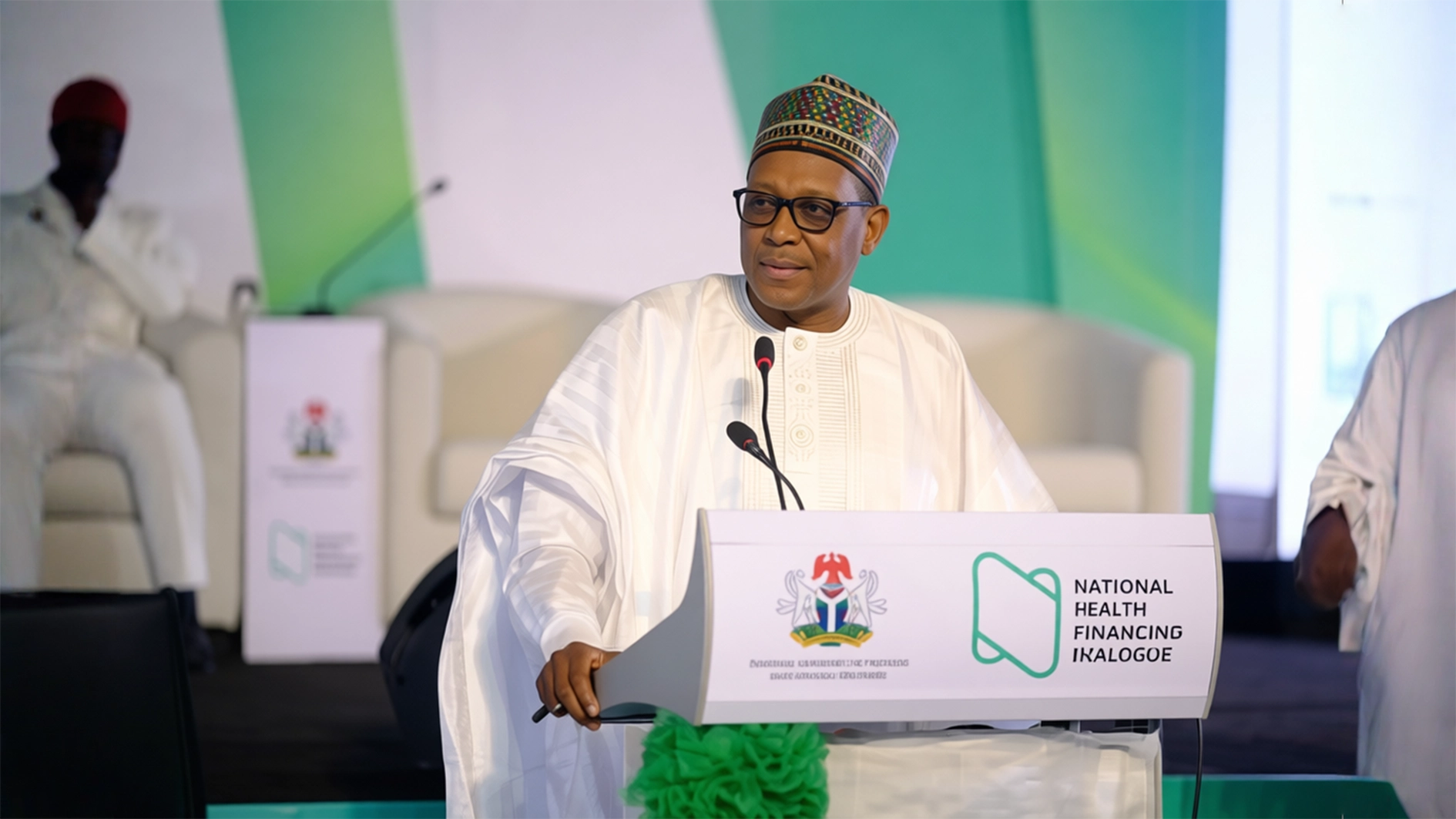
Prof. Muhammad Ali Pate.
Prof. Muhammad Ali Pate.

