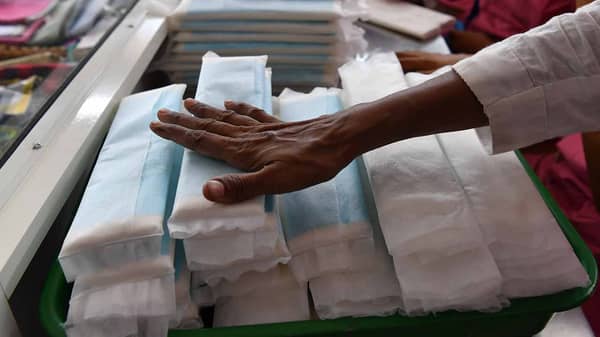
A non-governmental organisation, the Inclusion Project (TIP) has intensified efforts to promote menstrual health, dignity and girls’ rights across Nigeria through its ongoing Menstrual Hygiene and Reusable Pad Initiative, aimed at addressing period poverty and improving school attendance among adolescent girls.
In Kano State, the organisation conducted a series of menstrual hygiene awareness sessions designed to equip girls with accurate information about their bodies, menstrual health and personal rights. The sessions featured open discussions that addressed myths and stigma surrounding menstruation, highlighted the importance of proper hygiene and emphasised education as a tool for building confidence.
Participants were also trained to produce reusable sanitary pads using simple, low-cost materials, providing a sustainable alternative for girls who cannot afford disposable pads. Beneficiaries said the training exposed them to knowledge they had never received before and has enabled them to attend school without fear or embarrassment during their menstrual cycle. Several girls disclosed that they previously stayed home during their periods, but can now remain in school with the use of the reusable, do-it-yourself pads.
In Imo State, TIP organised a menstrual hygiene empowerment workshop that brought together adolescent girls and women leaders for an interactive learning experience. The workshop focused on menstrual health education as a pathway to dignity, self-awareness and improved educational outcomes for girls. Participants learned a simple three-layer method for producing reusable pads, gaining a long-term solution to menstrual product affordability and school absenteeism.
The session also addressed harmful cultural beliefs about menstruation and encouraged participants to advocate for themselves and others. Girls shared personal experiences of stigma and noted that the training helped them understand that menstruation is a healthy and natural process that should not limit their education or opportunities.
Speaking on the initiative, TIP’s Programme Manager, Oguchienti Jane, said the organisation views menstrual health as a fundamental human rights issue.
“Our work with girls in Kano and Imo reflects our belief that menstrual health is not just a hygiene issue; it is a matter of dignity, equality and human rights.”
By teaching girls how to manage their periods safely and confidently, we are giving them the freedom to focus on their dreams without interruption,” she said.
In a statement, TIP Director, Pamela Okoroigwe, said the initiative, launched with support from the Malala Fund, was informed by the organisation’s engagement with girls in various communities and observations of the impact of period poverty on school attendance, health and self-esteem.
“Through the integration of menstrual health education and practical skill-building, the project seeks to ensure that no girl misses school because of her period, communities better support girls’ health needs, and young girls grow up confident and empowered,” she stated.
As the Reusable Pad Initiative expands, TIP reaffirmed its commitment to challenging stigma, strengthening community awareness and ensuring that no girl in Nigeria is held back from education due to silence, shame or economic barriers.