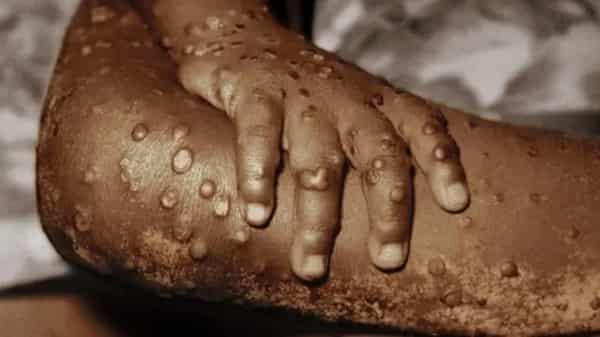
Experts seek stronger surveillance, vaccination nationwide
Stakeholders have raised fresh alarm as the Nigeria Centre for Disease Control and Prevention (NCDC) confirmed that 33 states have recorded 414 Mpox cases and six deaths in its 2025 cumulative report for November.
They warned that the persistent spread of the virus shows that Nigeria cannot afford to be complacent, despite improvements in surveillance, awareness, and vaccination. Rising stigma, delayed medical care and continuous population movement, they said, remain key factors sustaining transmission.
Speaking during a webinar hosted by Preventive Health Nigeria on “Mpox Resurgence in Nigeria: Efforts, Challenges and Recommendations,” health specialists said the outbreak remains active despite recent gains in diagnosis, community engagement and the deployment of Mpox vaccines. Sponsored by Bavarian Nordic, the session assessed the growing risks, Nigeria’s response and the country’s preparedness for a prolonged resurgence.
Former Minister of Health and professor of obstetrics and gynaecology, Professor Isaac Adewole, recalled that Mpox became a global emergency during the 2022–2023 outbreak, which infected more than 100,000 people across 122 countries. Although first identified in laboratory monkeys, rodents are now considered the primary reservoir.
He noted that Nigeria recorded only three cases before 2017, but infections have since spread widely, with nearly all states affected in the current resurgence.
Adewole described Mpox as an enveloped, double-stranded DNA orthopoxvirus that often mimics common skin conditions, making laboratory confirmation essential. He also cited University of Ibadan research showing that individuals without visible rashes can still transmit the virus.
Children, pregnant women, the immunocompromised and people with chronic illnesses, he said, face a higher risk of severe disease.
Adewole reported that more than 172,000 laboratory-confirmed cases have been recorded globally since 2022, including 61,000 in 33 African countries. Nigeria, he said, reported 1,623 suspected cases and 414 confirmed infections as of late October 2025, with six deaths.
He commended health workers for maintaining a zero-fatality rate in recent weeks and noted that NCDC has expanded testing capacity, stepped up public awareness and trained response teams nationwide.
He identified Lagos, Rivers and Bayelsa as high-priority states, while emerging clusters in Akwa Ibom and Edo show that no state is immune. He urged Nigerians to avoid close contact with infected persons or animals, wash hands regularly and support the ongoing vaccination campaign launched in November 2024 for health workers and high-risk groups. National guidelines now allow home-based care for mild cases.
Adewole stressed the need to treat Mpox as an ongoing threat, calling for reduced stigma, early reporting and stronger protection for vulnerable populations.
CEO of Preventive Health Nigeria, Adekola Wojuola, said improved surveillance and rising vaccine access are encouraging, but vigilance remains critical as the virus continues to spread. He said the next phase of discussions would focus on field experiences to broaden public-health understanding.
Dermatologist and NCDC Mpox expert in Edo State, Dr Sebastian Oiwoh, said clinical management must consider community realities.
He noted that many patients experience long-term skin complications such as scars and pigment changes that can persist for months or years. Psychological effects, he added, are often overlooked and require sustained support even after visible symptoms clear.
Oiwoh cited wildlife surveillance showing orthopox viral activity in states reporting cases, underscoring the need for continued monitoring. He said widespread misinformation means many Nigerians still misidentify symptoms, often confusing early rashes with allergies. Many seek care only when symptoms worsen, he said, increasing complications and fuelling transmission.
He added that stigma discourages reporting, as infected individuals often hide symptoms for fear of discrimination. Women in caregiving roles, he noted, face greater exposure due to close contact with infected relatives. Homes with pets or stray animals may also be at higher risk if contaminated surfaces are not properly disinfected.
He warned that population movement, especially when symptomatic persons travel from urban centres to rural communities in search of privacy or traditional remedies, has accelerated the spread in areas with limited health resources. Such individuals, he said, often travel without disclosing symptoms, exposing more people along the way.
Addressing misconceptions, Oiwoh said some Nigerians still believe Mpox affects only men who have sex with men or that herbal mixtures can cure the disease. Such myths, he cautioned, delay treatment and increase the risk of complications including dehydration, secondary infections, prolonged illness and permanent scarring.
He called for stronger funding for community surveillance, improved training for frontline workers and sustained investment in risk communication. Journalists, he said, must simplify technical information, counter myths and ensure citizens understand how Mpox spreads, key symptoms and when to seek care.
Experts concluded that although Nigeria has not recorded a sudden spike in Mpox cases, the virus remains active and requires ongoing attention. They called for broader vaccine access, stronger research investment, more effective public education and deeper collaboration across government and health systems.