 Follow Us on Google News
 Follow Us on Google Discover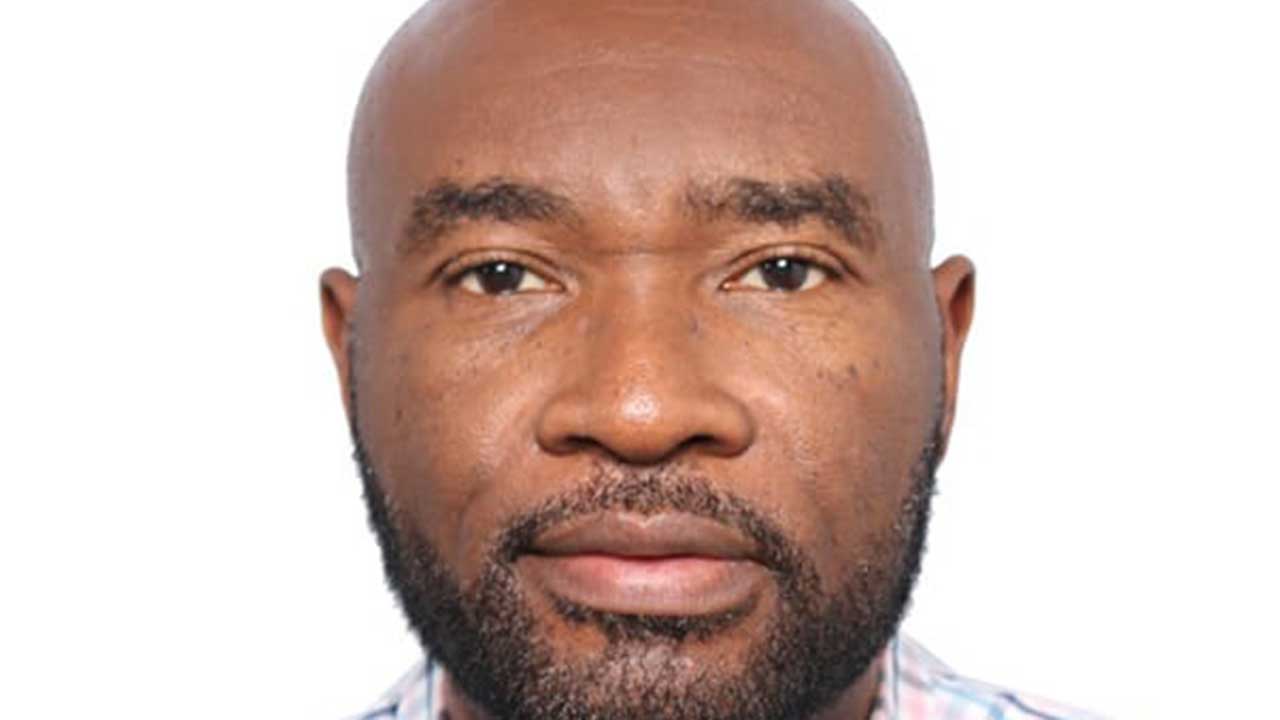
In a world where healthcare often prides itself on cutting-edge innovation and biomedical advancement, a quieter revolution is underway, one not built in laboratories or funded by billion-dollar grants, but born at the intersection of faith, compassion, and clinical insight. At the forefront of this transformation is Cyril Enahoro Imohiosen, a pastoral caregiver, theologian-in-training, and scholar whose work is reinvigorating elder care by placing the soul back at the center of healing.
From the rural outposts of East Africa to the complex healthcare systems of North America, Cyril’s journey is defined by human connection. He has spent decades of his career holding the hands of the sick, whispering prayers in hospice rooms, and offering spiritual refuge where clinical medicine reached its limits. This compassion is not just part of his history, it is the source of his scholarship.
Now a doctoral student in Practical Theology at Palm Beach Atlantic University and a Clinical Pastoral Education (CPE) resident at Lakeland Regional Health in Florida, Cyril is fusing his deep ministry experience with rigorous academic inquiry. His recent co-authored publications in the International Journal of Multidisciplinary Research and Growth Evaluation are gaining attention for their timely, transformative potential. Two papers in particular, “The Impact of Religious and Spiritual Counseling on Mental Health Outcomes in Geriatric Care” and “Tailored Spiritual Support for the Aging Population: Developing a Model for Religious Counseling in Long-Term Care Facilities”, offer a compelling framework for what spiritually integrated elder care can and should look like.
These studies are more than theoretical exercises. They provide clear, evidence-based strategies for enhancing mental health outcomes through spiritual interventions such as chaplain-led counseling, interfaith prayer groups, reflective meditation, and the creation of sacred spaces within care facilities. The findings are striking spiritual engagement has been shown to reduce depression, lower anxiety, foster emotional resilience, and promote greater acceptance in the face of terminal illness. The message is unambiguous, where the spirit is nurtured, the mind and body often follow.
What distinguishes Cyril’s work is its emphasis on inclusivity and adaptability. His framework respects the vast diversity of spiritual expression among elders. Whether residents identify with structured religious traditions, describe themselves as spiritual but not religious, or are searching for meaning in secular or cultural terms, the model responds with sensitivity and care. It includes practical tools such as initial spiritual assessments upon intake, personalized care plans, and digital access to chaplaincy for residents who are homebound or mobility impaired.
Importantly, these proposals are not aspirational dreams, they are grounded in clinical realities and logistical feasibility. The papers tackle potential obstacles head-on: resistance from overburdened staff, the discomfort some clinicians have in discussing spirituality, budgetary constraints, and the ethical nuances of faith in healthcare. For each challenge, Cyril and his co-authors offer a roadmap, training protocols, interfaith partnerships, policy pathways, and even funding strategies to embed spiritual care without overstraining institutional resources.

The case studies cited in these works, from the compassionate rituals of The Little Sisters of the Poor to innovative spiritual programs at major health institutions, serve to illustrate a growing global shift toward holistic elder care. While these examples are not Cyril’s affiliations, their presence in his research affirms a growing consensus: spirituality is not an optional accessory to care; it is foundational.
Cyril’s scholarly achievements are deeply enriched by his extensive pastoral experience. His humanitarian footprint spans the globe, leading a congregation of 2,000 parishioners in Arusha, Tanzania, providing support to HIV-positive children in Nairobi, and volunteering in U.S. refugee camps and literacy centers. His ministry has consistently prioritized the marginalized, the voiceless, and the forgotten. These are not merely credentials; they are enduring testaments to a vocation defined by compassion, purpose, and unwavering commitment.
Cyril’s work is being increasingly recognized by academic institutions, healthcare professionals, and faith-based networks as a blueprint for redefining geriatric care in the 21st century. As he continues his doctoral work and pastoral service, his voice is becoming a vital one in a conversation too long dominated by charts, diagnoses, and outcome metrics. He reminds us that while medical expertise is essential, so too is the ability to sit with suffering, honor stories, and bear witness to the sacred transitions of aging and dying.
In a rapidly aging global society where loneliness, depression, and spiritual distress are on the rise, Cyril Imohiosen’s work could not be more urgent. His vision is clear: elder care must evolve beyond the physical to address the existential, the emotional, and the spiritual. We must not only add years to life but add meaning to those years.
If the future of healthcare is to be truly human-centered, it must embrace the spiritual dimension as central, not peripheral, to healing. And in that future, voices like Cyril’s will not only be relevant; they will be indispensable

