The National Human Rights Commission (NHRC), last week, outlined gains of three decades of advocacy amidst persistent human rights challenges confronting Nigeria.
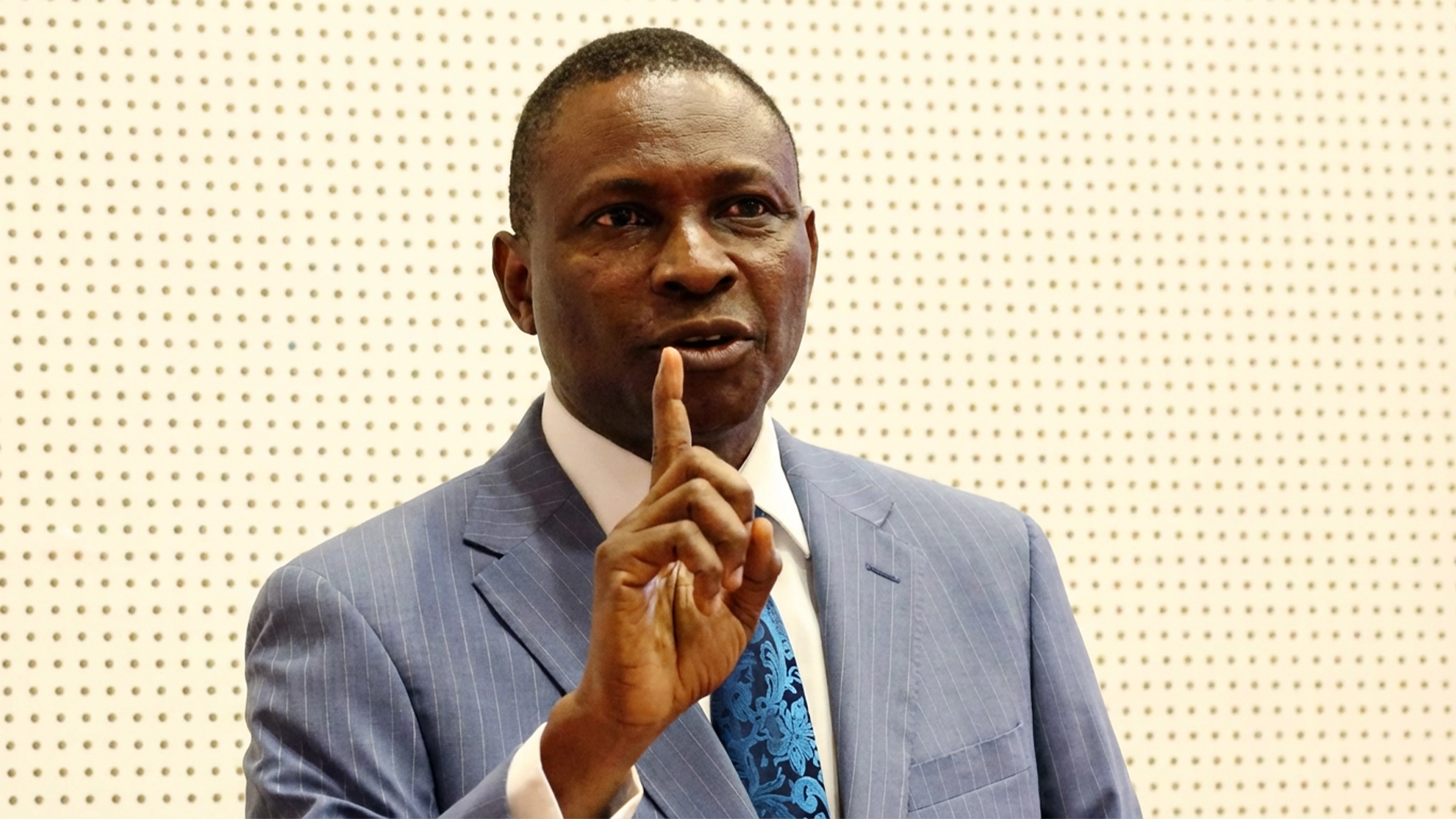
The Executive Secretary, NHRC, Dr Tony Ojukwu (SAN), speaking at the occasion of the Commission’s 30th anniversary, said it was created during a period of significant political transition as an institution strong enough to defend citizens’ rights, speak truth to power and serve as a refuge for victims of injustice.
He stressed that a major milestone came with the 2010 NHRC Amendment Act, which strengthened the commission’s independence, expanded its mandate and empowered it to issue decisions and award compensation, aligning Nigeria with international best practices.
According to him, the commission currently handles an average of two million complaints annually, with the number likely to increase with the digitisation of the complaints system.
Ojukwu disclosed that the commission has facilitated five consecutive National Action Plans for the promotion and protection of human rights while pioneering the country’s first National Action Plan on Business and Human Rights in West Africa.
But despite recorded achievements, he admitted that the country’s human rights landscape remained complex with security-related violations, shrinking civic space, gender-based violence, climate impacts, violent extremism, discrimination and systemic barriers to justice.
To address some of the challenges, Ojukwu revealed the commission’s plan to expand its reach to the 774 Local Government Areas of the country to strengthen early warning systems, reform oversight of security operations, improve detention monitoring and enhance human rights education nationwide.
“The Commission also aims to address emerging issues, including Artificial Intelligence (AI), digital surveillance, misinformation, environmental rights and the intersection of human rights with governance and socio-economic inequality.
“As we celebrate three decades, let us remain vigilant and committed to a Nigeria, where no man, woman, boy or girl is oppressed. Institutions do not protect human rights, people do, and progress depends on individuals refusing to be indifferent”, he said.