 Follow Us on Google News


 Follow Us on Google Discover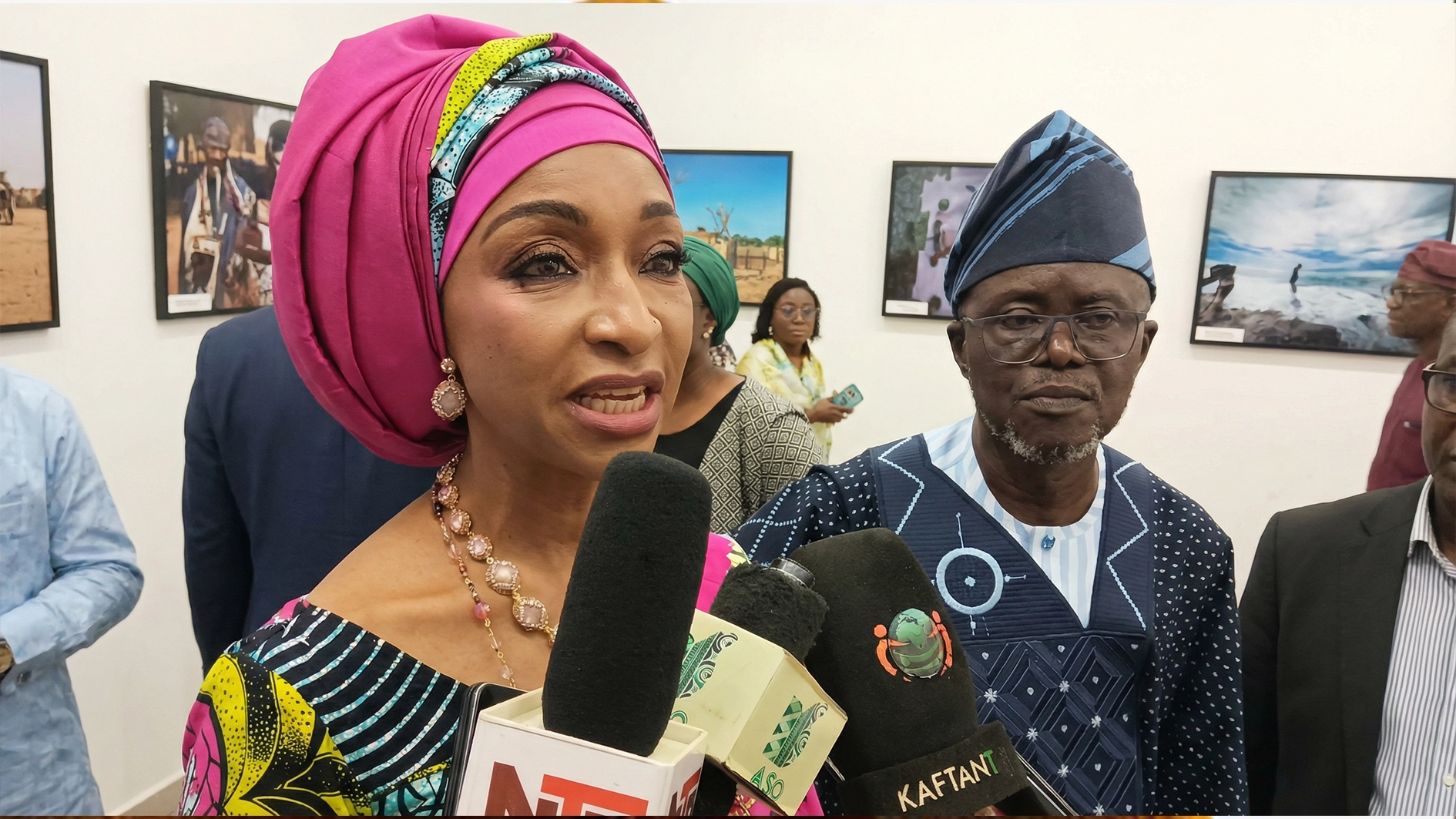
The Federal Government is taking steps to provide regulatory certainty in the hospitality and tourism sector, Minister of Art, Culture, Tourism and the Creative Economy, Hannatu Musawa, has said.
According to her, Nigeria is repositioning tourism and hospitality as critical pillars of economic growth, job creation, investment attraction and national prosperity.
She, however, stressed that the sector’s full potential cannot be realised without a formalised regulatory framework and clear standards.
“There is a need for regulatory certainty because capital follows competence.
“Investors will follow standards, patterns and structure,” she said.
Musawa spoke at the 2026 Punuka Annual Lecture with the theme: “Development, Financing and Value Creation in Nigeria’s Hospitality Sector.”

She was represented by the Director-General/Chief Executive Officer of the National Institute for Hospitality and Tourism (NIHOTOUR), Dr Abisoye Fagade, who was also a panellist.
Musawa said: “The hospitality sector occupies a unique position within the tourism value chain.
“Beyond accommodation and food services, the sector drives entrepreneurship, supports local supply chains, creates employment and contributes significantly to the national and sub-national economies.
“Unlocking the full potential of the sector requires deliberate action involving development financing, value creation and a strong regulatory ecosystem.”
The sector’s development, she stressed, must be anchored on standards, skills, innovation and infrastructure.
According to the minister, the government recognises that a globally competitive hospitality industry depends on a well-trained workforce, effective quality assurance systems and institutions capable of supporting sustainable growth.
She said the sector requires innovative financing mechanisms, improved access to credit and strong public-private partnerships capable of accelerating growth and expanding investment opportunities.
Musawa added that the Tinubu Administration remains committed to creating an enabling business environment that encourages investment, promotes ease of doing business, strengthens regulatory and international frameworks, and supports the growth of tourism and hospitality as major contributors to Nigeria’s Gross Domestic Product (GDP).
Managing Partner of Punuka Attorneys & Solicitors, Mrs Elizabeth Idigbe, described the hospitality sector as a powerful economic driver that sits at the intersection of infrastructure, investment and national development.
“When thoughtfully structured, properly regulated and effectively financed, it holds immense potential to unlock value, stimulate local economies and attract both domestic and foreign investment,” she said.
Mrs Idigbe said the yearly lecture was designed not merely to identify challenges but to inspire dialogue, foster collaboration and contribute to practical, forward-looking solutions across key sectors of the economy.
Partner, Media, Entertainment, Intellectual Property and Technology Practice Group at Punuka, Isioma Idigbe, stressed that Nigeria must address global perceptions regarding safety and security.
She cited the example of Brazil, which created safe zones in previously unsafe areas that have since become major tourist destinations.
“We must address the global perception of Nigeria as an unsafe place to visit,” she said.
Isioma also stressed the need for specialised legal expertise to drive growth in the sector, adding that “the role of a lawyer is so critical” in helping businesses navigate regulatory requirements, investment structures and compliance obligations amid existing skills and capacity gaps.
The guest speaker, Mr Ian McAuley, an international hotel developer, stressed the need for stakeholders across the public and private sectors to work together to grow the tourism and hospitality industry.
“Value is never created by one factor alone,” he said, adding that there are a lot of domestic opportunities for Nigeria’s state capitals.
He underscored the importance of good governance, noting that it boosts investor confidence, lowers the cost of capital and creates value.
Chairman of Pyramid Regal Services Limited, owners of The George Hotel, Mr Tein George, who chaired the lecture, noted that the tourism sector contributes between 3.6 and 4.5 per cent of Nigeria’s GDP, translating to between $17 billion and $22 billion yearly.
“The sector employs about two million people, which is approximately six per cent of our workforce.
“More importantly, about 60 per cent of the workforce are young people between the ages of 18 and 35. It therefore provides a major solution to youth unemployment if we can grow the sector rapidly,” he said.

