 Follow Us on Google News


 Follow Us on Google Discover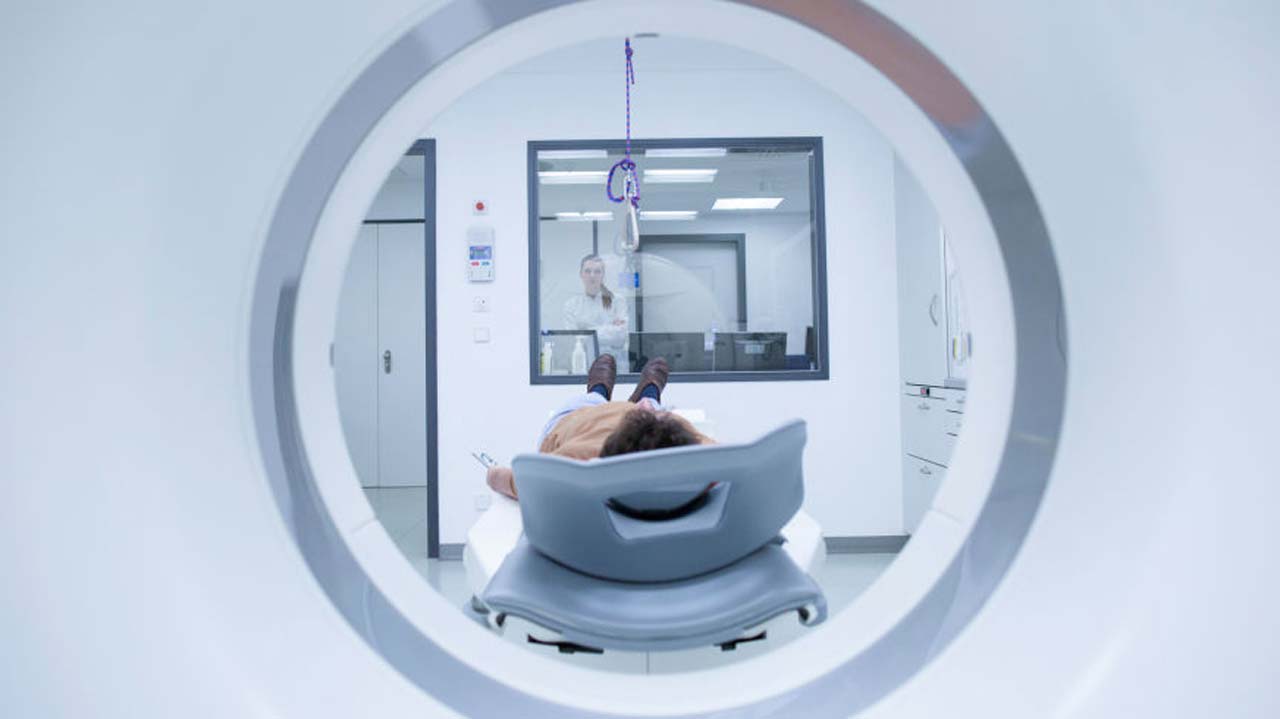

A new type of MRI scan can predict the risk of having a stroke, researchers have said in a study.
The non-invasive technique, developed by scientists at the University of Oxford, predicts whether plaques in the carotid arteries are rich in cholesterol and therefore more likely to cause a stroke.
Carotid arteries supply the brain with blood. The rupture of fatty plaques can block them and possibly starve the brain of oxygen, causing potentially debilitating and life-threatening strokes.
[ad]
A quarter of the more than 100,000 strokes in the United Kingdom (UK) each year are caused by carotid plaques.
The study, published in the journal JACC: Cardiovascular Imaging on Thursday, created a test that produces a quantitative result, whereas traditionally the risk of stroke is measured by the size of the plaque in the carotid artery. At present, if a plaque is deemed too big it is removed, but the researchers say fatty plaques that are not large yet have a high risk of rupturing can be missed.

