 Follow Us on Google News
 Follow Us on Google Discover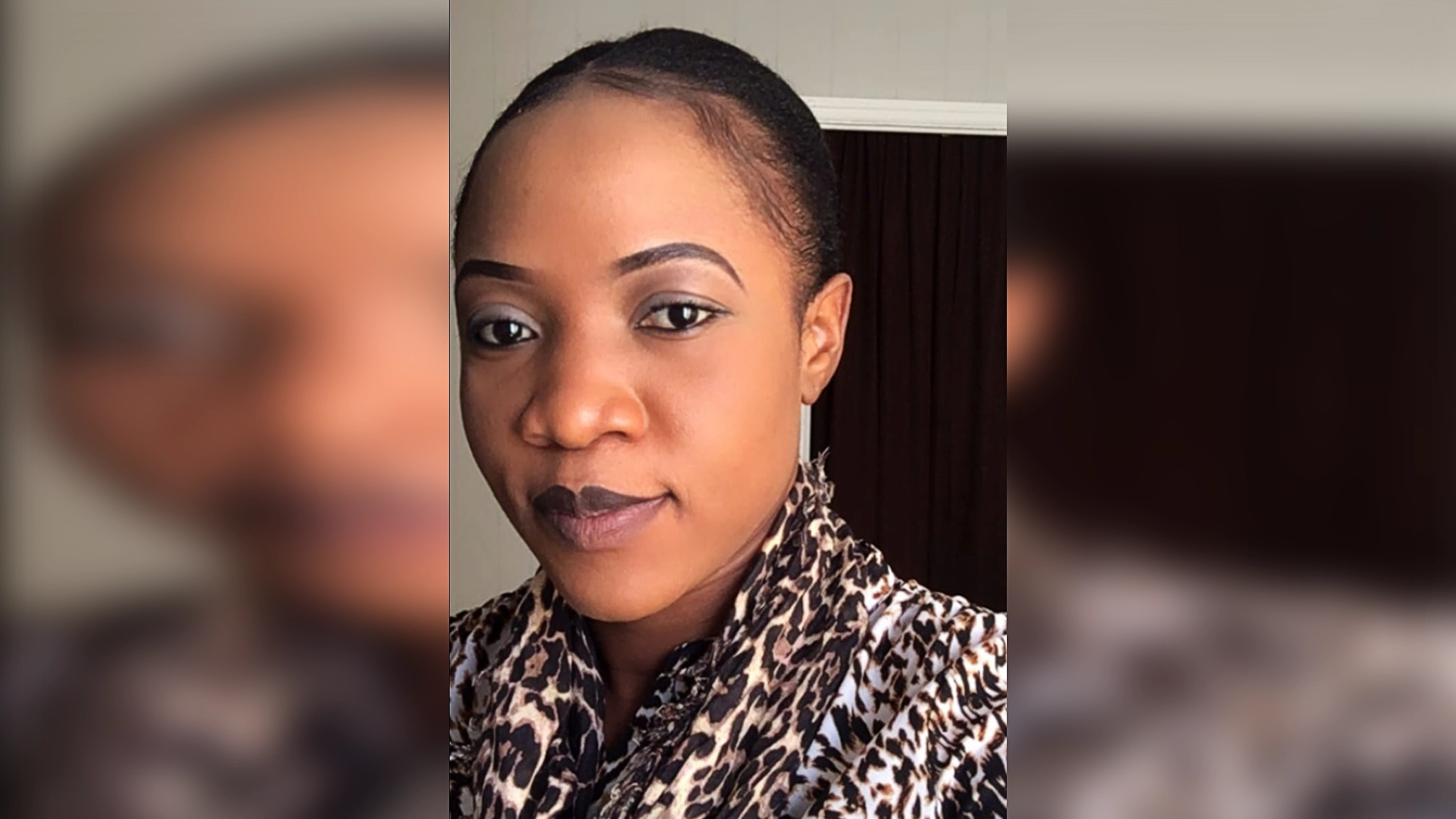
Dr. Oluwatosin Faremi returned last week from addressing the Global Mental Health and Addiction Professionals Summit in Calgary as a featured voice on innovations in culturally embedded community care. Her framework, built across two doctorates and years of frontline practice in Ontario, is being recognised internationally as a model for the field.
The Global Mental Health and Addiction Professionals Summit in Calgary, Canada, which concluded in June, was notable for the candour of its central conclusion: the dominant models through which guidance, counseling, and mental health care are currently delivered in Western nations are not reaching the populations they most urgently need to reach. The presentations that registered most forcefully with summit delegates were not those that defended the existing architecture of care but those that offered evidence-based alternatives to it. Among the latter, the contribution of Dr. Oluwatosin Faremi, a Nigerian counselor and researcher whose clinical practice in Ontario has become one of the most-discussed models of community-embedded, culturally responsive guidance and counseling in the province, drew particular attention from delegates and has since prompted invitations to contribute to professional training forums and policy discussions across the country.
Dr. Faremi holds two doctoral degrees from Bethany College in Alabama, a PhD in Counseling and a PhD in Ministry, as well as an MBA in Public Administration from Albany State University. She currently provides guidance and counseling services through CAPHM Ontario and her own Peniel Counseling Services, working daily with individuals navigating addiction, trauma, and acute mental health crisis. She serves simultaneously as a Developmental Support Trainer with the Community Living Association South Simcoe. Since establishing her clinical practice in Ontario in 2022 she has provided guidance and counseling support to well over a hundred individuals, many of them from communities whose presentations standard community services have been unable to adequately address.
At Calgary, Dr. Faremi presented the clinical and evidential basis for a position she has been developing and testing through her Ontario practice for the past two years: that cultural competence in guidance and counseling is not an enhancement but a foundational clinical requirement, and that practitioners who lack genuine cultural knowledge of the populations they serve are not delivering full clinical care regardless of how technically proficient they are. She supported this argument with documented patterns from Ontario: service avoidance rates among African and Caribbean communities, therapeutic alliance failure points, and premature disengagement data that correlate consistently with the cultural distance between practitioner and client.
I said at Calgary what I say in every clinical and professional setting where I am invited to speak: you cannot deliver full guidance and counseling care to a person whose cultural and spiritual world you have not taken the time to understand. That is not a philosophical position. It is a clinical one, and the evidence is unambiguous.
The response from summit delegates, many of them senior clinical and policy figures from across Canada, reflected a field that has been moving, however slowly, toward exactly the position Dr. Faremi has been articulating from practice. Her framework, which integrates clinical counseling science with pastoral and theological knowledge of how diasporic communities organise meaning and navigate suffering, was described by multiple attendees as the most operationally complete model of culturally competent guidance and counseling they had encountered. She returned to Ontario with invitations to contribute to professional development programming for several Ontario health regions and community counseling networks.
Her influence is not confined to the clinical sector. This month she also participated in the Positive Parenting and Child Behavioral Development Conference in Vancouver, where she engaged with evidence-based approaches to early behavioural intervention in children. This engagement reflects her consistent conviction that guidance and counseling expertise must operate across the lifespan and across the developmental continuum, addressing the upstream conditions that shape the adult mental health presentations she encounters clinically rather than waiting for crises to develop before the profession responds.
Her published research grounds her clinical advocacy in a record that peer reviewers and professional bodies can independently evaluate. Her 2020 study in the American Journal of Humanities and Social Sciences Research, a peer-reviewed journal with international readership, introduced clinical guidance and counseling frameworks to the analysis of occupational psychological harm in Nigerian industries. Her companion publication in the Journal of Public Administration and Social Welfare Research extended this work into organisational development. These papers, produced before her transition to full-time clinical practice in Ontario, established her as a researcher whose counseling expertise generates new understanding in applied fields well beyond the consulting room.

Dr. Faremi is also a member of Pi Alpha Alpha, the international honour society for public affairs and administration, whose membership is restricted to the top ten percent of graduate students in the field, and whose chapter presidency she held at Albany State University. The honour society recognition, the research record, the doctoral formation, and now the international summit profile form a body of recognition that positions her not simply as a skilled practitioner but as a leading figure in the development of culturally grounded guidance and counseling practice in the Nigerian diaspora and in Canada more broadly. It is a position she has not sought as an end in itself; it is, by the evidence of her work, a by-product of a clinical and intellectual commitment that has never been primarily about recognition at all.

