 Follow Us on Google News
 Follow Us on Google Discover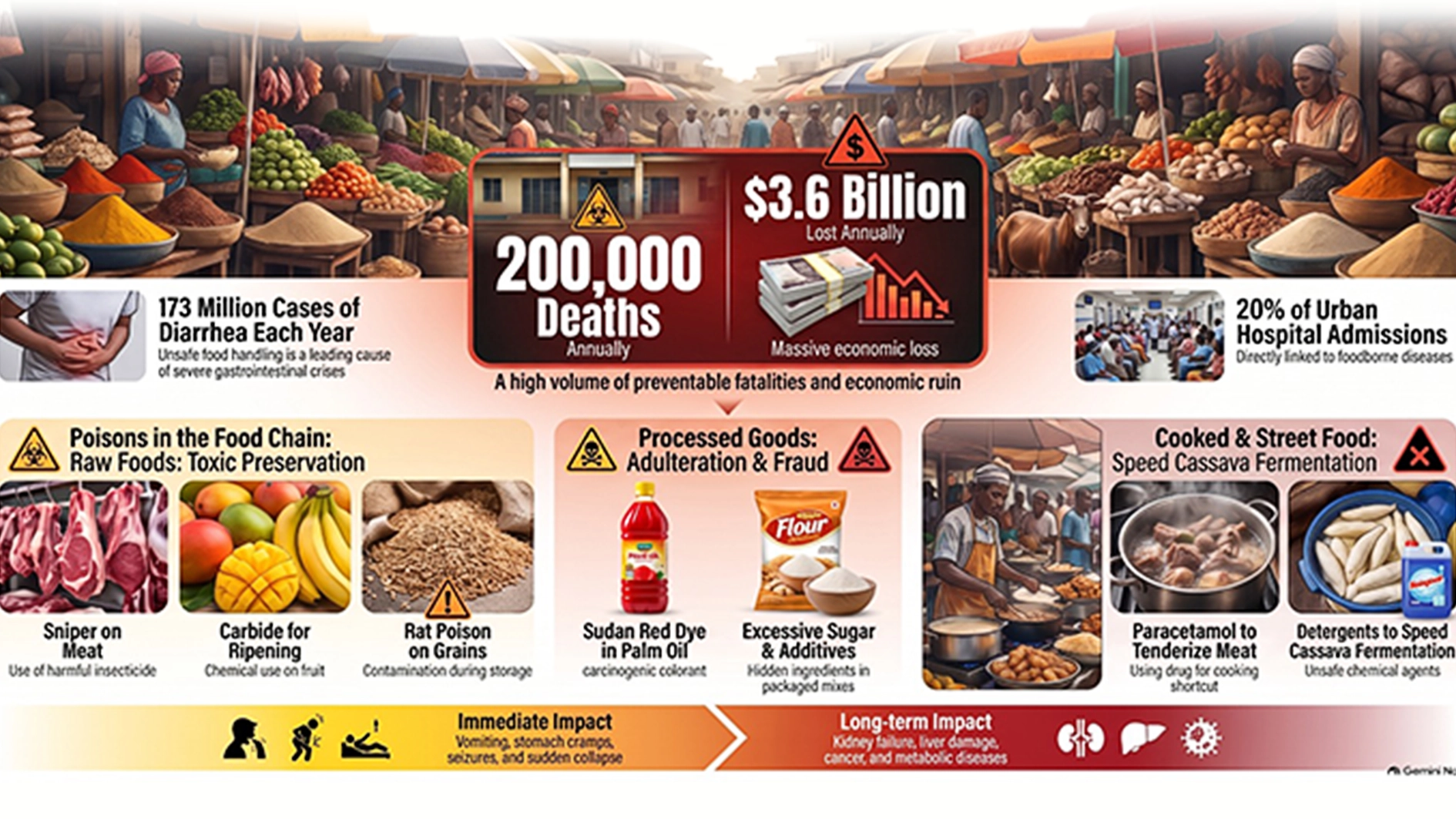
Nigeria records over 200,000 deaths and loses about $3.6 billion annually to food contamination, amid rising outbreaks of foodborne illnesses, unchecked use of unwholesome food additives, chemical contamination and unsafe food-handling practices. With serious implications for public health, these practices are increasingly linked to organ damage and other metabolic diseases, NKECHI ONYEDIKA-UGOEZE reports.
In recent times, the country has witnessed renewed public concern about the safety of the food that many citizens consume daily. From allegations of excessive sugar content in processed foods to concerns about the quality and composition of some tomato paste products, the demand for greater transparency, stronger consumer protection, and stricter regulation is always present.
Indeed, from bustling roadside vendors to upscale restaurants, concerns over food safety are now a public health emergency. Beyond cost-cutting, this challenge is exacerbated by dire economic pressure, as reflected in soaring food inflation, shrinking purchasing power, and currency devaluation, which push unscrupulous vendors to commit food fraud to survive.
Martins Akinfeleye, a civil servant in the Federal Capital Territory (FCT), recently fell victim to food poisoning, which left him with cibophobia (irrational fear of food) long after his recovery.
Narrating his experience, Martins, who purchases his lunch while at work from a restaurant located in Gwarimpa, stated that on a fateful day, his driver opted to buy his meal from another restaurant when the usual outlet ran out of his preferred option. He added that within two hours, he had lost strength, was rushed to the hospital, and the diagnosis revealed food poisoning.
Even though he was treated, discharged, and his symptoms passed within days, Martins became afraid of food prepared outside his home and avoided restaurants for many months after recovery.
Sharing her experience with contaminated snacks, Tina Hassan, a mother of two, said: “I attended an event and was served a pack of snacks, which contained meat pie, fish pie and a sandwich as refreshment. But the problem was with the meat pie because when I tasted it, there was something odd about it. About two hours after, I had a serious stomach cramp that progressed to something else.
“I collapsed; the food poisoning left me in bed for two days. I was throwing up and was totally down with a serious stomach ache and general body weakness. I only came back after days of medication.”
Every day, millions of Nigerians consume meals prepared and sold under conditions that would fail even the most basic hygiene standards.
This explains why a food safety expert, John Tehinse, told The Guardian that the country’s food safety situation is precarious and lags far behind international best practices, with health outcomes shifting from communicable diseases to non-communicable diseases directly linked to unhealthy diets.
“A few years ago, we were thinking of food safety by the addition of chemicals that make food unsafe, acute things that make you feel sick almost immediately. But nowadays, food safety is drifting; we are seeing more situations where issues pile up and can take years to resolve. So, what we have now is changing from communicable diseases to non-communicable diseases. Things like obesity, diabetes, and high blood pressure are the things that food safety is drifting to.
“In those days, after eating contaminated food, you’d take antibiotics, and within a day or two, you’d be okay. But now things are getting a little bit worse because our diet habits have changed to ultra-processed foods, where you add all manner of additives, like sodium, sugar, trans fat, and calories to them to make food taste good.
“We don’t want to cook for a very long period now. Madam comes back from work, and within five minutes, the family is eating. So, the food has been pre-processed. All these have adverse effects on the safety of our food; they put our health at risk.”
Tehinse noted that Nigeria has been plagued by preventable foodborne disease outbreaks such as cholera, typhoid fever, and Lassa fever, adding that these diseases are a direct consequence of poor food safety culture and hygiene practices in the country.
“How will anybody, any human being, put carbide on what somebody is going to eat? Or put Sudan red and diesel in palm oil just to make money. People apply fumigants such as Sniper to fresh meat to drive away flies. There are quite a lot of things that go on around the food safety chain. Apart from what we call unintentional contaminations, there are what we call intentional contaminations. Things you do knowingly, but because of the monetary value. So, we have lost our direction.”
Poorly regulated market and brewing safety crisis
NATIONWIDE, street food, snacks, and fresh fruits are widely consumed for their affordability and convenience.
However, the safety of these foods is often compromised due to poor handling and hygiene practices, use of contaminated water in preparation, exposure to flies, dust, and vehicular gas emissions, and poor waste disposal around vending sites.
From adulterated red oil laced with Sudan IV dye to the use of paracetamol to tenderise meat; the use of detergent to speed up the fermentation of cassava; the use of rat poison for the preservation of grains; the ripening of fruits with calcium carbide, the use of harmful non-food substances in food preparation is alarmingly widespread. Yet, for many, these risks are normalised, overshadowed by economic realities and the urgent need to eat.
Equally worrisome is the cost-saving penchant of commercial food vendors and some individuals for soppy tomatoes, popularly known as ata esha or esa in Yoruba, awarawa in Igbo, and baje in Hausa, which are sometimes infested with maggots and moulds.
Recent studies by the Global Alliance for Improved Nutrition (GAIN) revealed that approximately 20 per cent of hospital admissions in urban areas of the country are attributable to foodborne diseases.
This “silent epidemic” costs the country approximately $3.6 billion every year, often driven by poor hygiene, contaminated street food, and weak regulation.
According to World Health Organisation (WHO) data, 600 million people globally fall ill every year from food contamination, resulting in 420,000 deaths and 33 million lost healthy life years.
Africa faces the highest per capita burden, with a foodborne disease impact five times the global average. Children under five account for 30 per cent of these deaths.
In Nigeria, foodborne illnesses constitute a severe public health crisis, causing an estimated 173 million cases of diarrhoea and over 33,000 to 200,000 deaths annually.
At the pace that the country is moving, with scant enforcement of food safety regulations, indications are that things will continue to go south. This is so because in many markets across the country, including the Garki Modern Market in Abuja, and the Daleko Market in the Mushin area of Lagos, traders openly mix questionable substances in palm oil to make them look attractive to buyers, while ignoring the health consequences.
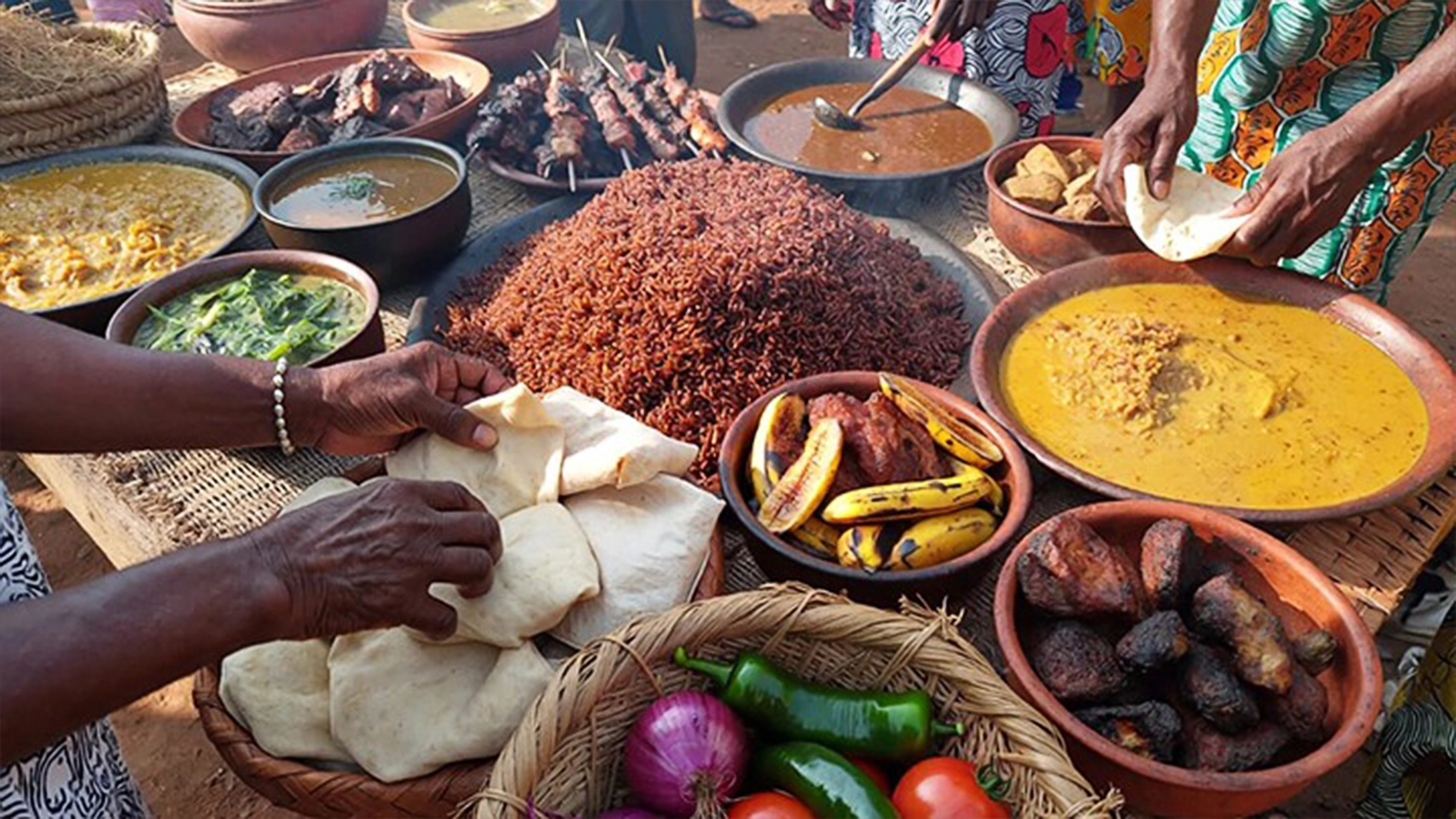
Still at the Abuja market, when The Guardian requested chemicals to preserve beans against infiltration by weevils, a deluge of non-food-grade chemicals and pesticides was excitedly paraded, both in liquid and tablet forms. The merchant, thereafter, recommended a grey-looking tablet-aluminium phosphide, which he referred to as “bomb”. This tablet is also used as rat poison.
Packaged products are not left out
ON September 17, 2023, Mrs Chioma Okoli made what was described as a “critical review” of Nagiko Tomato Mix, manufactured by Erisco Foods Limited, in a post on her Facebook page.
The post, in which she claimed that the tomato mix was sugary, drew comments that either sided with her or defended the product. It also led to her arrest on September 24 and eventual prosecution.
Presently, the Lagos State-based entrepreneur is being prosecuted for allegedly breaching the country’s cybercrime laws.
In April this year, TikToker Love Dooshima posted a video showing a loaf of bread in her shop that she claimed remained fresh and soft after two months. She warned consumers to watch out for heavily preserved foods for their health.
Even though she did not mention Bon Bread by name or show any logo, the bread maker instituted an N50 million lawsuit against Dooshima, claiming severe reputational and financial damage.
In the midst of the controversy, the National Agency for Food and Drug Administration and Control (NAFDAC) cleared the loaf produced by Food & Food Integrated Company Limited, confirming that the manufacturer complies with regulatory standards.
Earlier this year, public concern spiked over alleged claims of high sugar content in Nestlé Milo formulations sold in the country. Those who propagated the claim alleged the product contained over 50g of sugar per 100g of powder, a level critics and health advocates noted exceeded that of some Western nations.
This development, experts noted, facilitated childhood tooth decay, obesity, and early metabolic issues when consumed regularly.
While reports and widespread comparisons highlighted that Milo sold in the country and developing markets often lists sugar higher in ingredient proportions than counterparts in the UK or Australia, Nestlé maintained that the beverage provides essential vitamins, malt, and energy, and that total sugars include naturally occurring lactose from milk and maltose.
In a similar vein, the Federal Competition and Consumer Protection Commission (FCCPC) recently directed manufacturers, importers, distributors and retailers to withdraw consumer goods with incomplete, misleading or deceptive labels from the market.
In the directive, a public advisory stated that “Market surveillance, routine inspections, and quality assurance activities have revealed products bearing misleading or deceptive information, as well as products without production dates, expiry or best-before dates, batch numbers, manufacturer details, ingredient lists, allergen information, country of origin, and other mandatory labelling information.”
‘Food safety situation a critical public health concern’
DESPITE experts’ warnings about the misuse of chemicals such as aluminium phosphide, dichlorvos (DDVP) or Pestoff, and other pesticides to prevent weevils from damaging dry food staples like beans, maize, and millet, as most of them contain poisonous phosphide compounds or other toxic chemicals that are not approved for food, the practice thrives.
Findings by The Guardian showed that aluminium phosphide is approved in Nigeria for the preservation of stored grains (such as maize and beans) by professionals, but it is classified as a restricted-use chemical and is widely used for industrial warehouse and silo storage; its application by untrained individuals is strongly discouraged due to high toxicity.
According to the President of Consumer Advocacy for Food Safety and Nutrition Initiative (CAFSANI), Prof Olugbenga Ogunmoleya, the country’s food safety situation remains a critical public health concern, adding that while various policies and regulations exist to guide and ensure the safety of the national food supply system, enforcement remains weak and fragmented across the entire landscape.
Ogunmoleya, who is a professor of food science and technology at Bells University of Technology, Ota, Ogun State, lamented that unsafe food practices in the country endanger millions of lives and undermine public health efforts, stressing that these practices are driven by a combination of ignorance, poverty, greed, the absence of regulation, and weak enforcement.
He noted that the informal food sector, which dominates food distribution and retail in Nigeria, remains largely unregulated, posing significant risks to consumer health. Issues such as poor hygiene, lack of traceability, inadequate infrastructure, such as access to potable water and waste disposal systems, safe storage facilities, and transportation, abound.
“The outbreaks of foodborne illnesses, contamination by chemical residues, and the unchecked use of unwholesome food additives and unsafe food handling practices have become increasingly commonplace. The implications of these on public health, productivity, and the economy are enormous.”
Ogunmoleya pointed out that while food safety standards and regulations exist, compliance with them remains a major concern, and that a significant percentage of street food vendors operate without licenses, certifications, or any formal food safety training.
Long-term consumption exposes Nigerians to cancer, organ damage
THE role played by people in the food value chain, including farmers, middlemen, sellers, and sometimes consumers, in preventing food spoilage that leads to losses is simply enormous, while ignorance of better food-preserving techniques and adverse health consequences associated with unsafe food practices are deeply troubling.
A Consultant Physician and Gastroenterologist at the Alex- Ekwueme Federal University Teaching Hospital, Abakaliki, Dr Jennifer Aloh, emphasised that the implications are far-reaching and damaging to various organs of the body.
He said Nigerians need to know that preserving different foods, whether grains, dried fish, and the like, with pesticides to prevent contamination, can lead to adverse events, which may be seen immediately or after a long time.
“The effect depends on the type and concentration of what is used. In the long term, they contribute to some types of cancer or organ damage (especially kidney and liver) and many other metabolic diseases. Immediate adverse effects of these toxic substances can include stomach aches, diarrhoea, vomiting, bleeding from the GIT, extreme weakness, seizures and even deaths.”
Most foods do not naturally contain dangerous levels of contamination that make people sick. Contamination can be introduced or increased through poor handling, ignorance or deliberate fraudulent practices along the food chain – from the farm, after harvest, during transportation, storage, processing or preparation, and especially at the point of sale.
“The Constitution gives local governments responsibilities for the establishment, maintenance, and regulation of markets, as well as the control and regulation of shops, kiosks, restaurants, bakeries, and other places where food is sold to the public. There are also existing laws that can be applied.
“For example, Section 243 of the Criminal Code Act addresses the sale of food that has been rendered harmful or unfit for consumption and the adulteration of food in a manner that makes it harmful. Such offences can attract criminal sanctions. So, market associations should not be left to fight these practices alone. They will be more effective when they work closely with state and local government food regulatory officers who have the regulatory and legal authority to act against offenders,” he said.
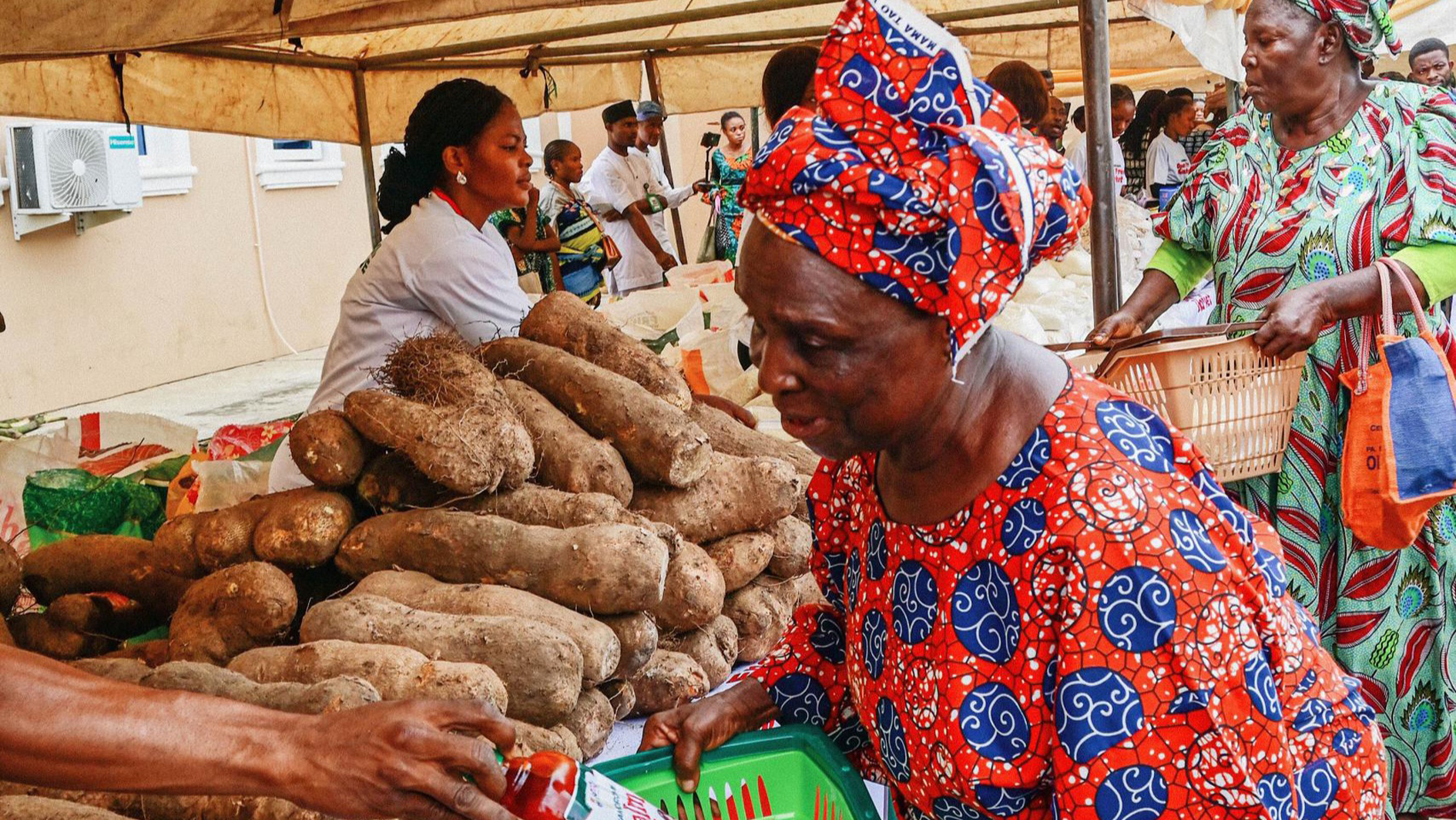
According to the technical assistant to the Director of the Food Safety and Applied Nutrition Directorate of NAFDAC, Nasir Abdullahi Argungu, enforcing hygienic practices and food safety in the informal sector falls out of the purview of NAFDAC.
“It is the responsibility of the local government and states to ensure good hygiene practices among local Mai Shai, mama that is frying akara or selling food on the road. None of those things is the responsibility of NAFDAC. NAFDAC deals with processed and packaged food.”
Insisting that local councils are not “discharging this role or working optimally”, Argungu explained that NAFDAC conducts post-marketing surveillance, and where the agency realises that there are issues, it takes action within its mandate, but where it’s beyond the agency’s mandate, it engages in sensitisation and awareness creation.
“We are concerned because 60 per cent of Nigerian produce comes from the informal sector. So, for us to have good input from the raw materials, NAFDAC goes down to the local governments and states to ensure that the raw materials that are coming from there are safe and of good quality.”
To further address this public health concern, the Nigerian Council of Food Science and Technology (NiCFOST) recently launched a Food Safety Operational Manual to improve food safety standards among food vendors, traders, and other food business operators nationwide.
The manual empowers food safety officers with the knowledge to detect and stop unethical practices that put millions of Nigerians at risk, thereby protecting public health.
The Registrar of the Nigerian Council of Food Science and Technology (NiCFOST), Mrs Veronica Nkechi Ezeh, told The Guardian that the manual also outlines clear guidelines for food inspection, documentation, and reporting, targeting common violations such as poor refrigeration, unsafe handling, and contamination with unapproved chemicals.
Ezeh, described the operational manual as a comprehensive and critical missing tool that will guide Food Safety Desk Officers in controlling, regulating, and monitoring food safety practices at all Nigerian local council markets, street shops, kiosks, restaurants, bakeries, and other places for the sale of food to the public, in line with Chapter 8 of the Fourth Schedule of the Nigerian Constitution, which outlines the functions of local councils.

