 Follow Us on Google News


 Follow Us on Google Discover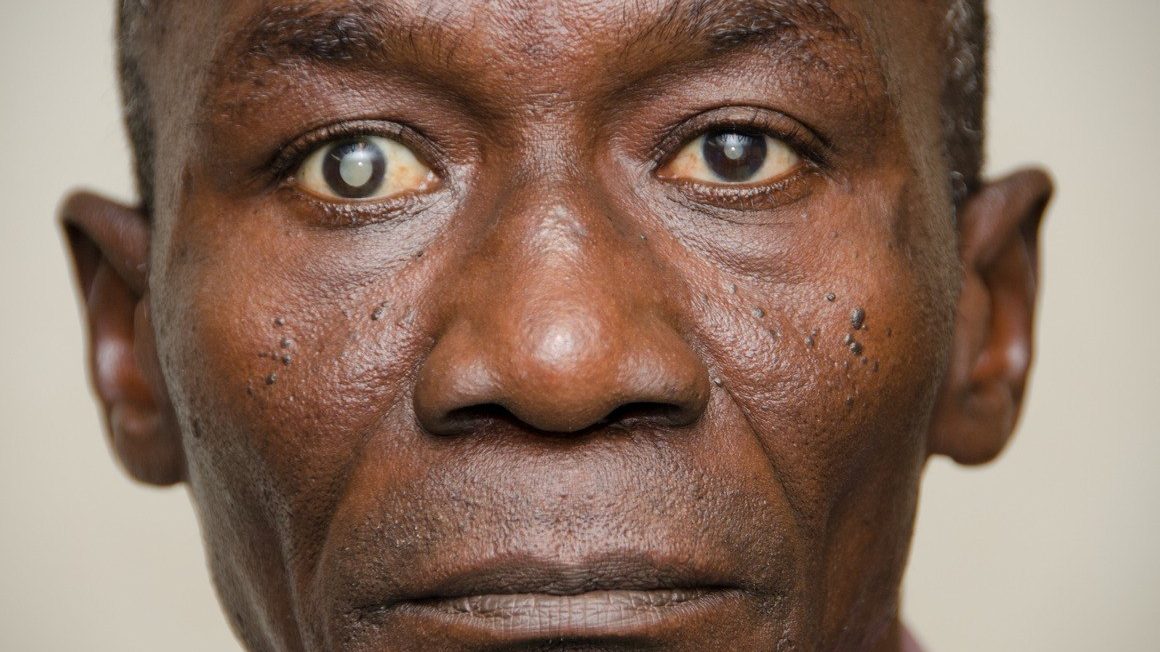
The Christian Blind Mission (CBM) International has launched a 10-year initiative, SightQuest Nigeria, aimed at reducing avoidable blindness through comprehensive and inclusive eye health services nationwide.
The initiative seeks to improve access to cataract surgical services, enhance the availability and quality of spectacles, upgrade infrastructure for eye health delivery and strengthen human resource capacity in eye care. Under the programme, CBM will initially invest in inclusive eye health services in five states: Bauchi, Imo, Jigawa, Plateau and Oyo, from January 2026 to 2035, with plans to scale up to 14 states nationwide.
Speaking at the launch in Abuja, Minister of State for Health and Social Welfare, Dr Adekunle Salako, said Nigeria’s blindness prevalence of 0.78 per cent is largely driven by treatable or avoidable conditions. He noted that about 84 per cent of cases are caused by cataract, glaucoma, refractive errors, corneal opacities, neglected tropical diseases such as trachoma and onchocerciasis, as well as emerging conditions including diabetic retinopathy.
Salako identified lack of awareness and poor access to essential eye care services as key factors responsible for visual impairment in the country, noting that many Nigerians resort to unorthodox eye care practices with often disastrous outcomes. He added that people with impaired vision frequently struggle with daily activities, self-reliance and productivity, ultimately reducing their contribution to national economic growth.
According to the minister, preventing blindness is critical to achieving development and economic goals, particularly Sustainable Development Goal 1 on poverty eradication. He said vision loss alone costs the global economy, including Nigeria, an estimated $411 billion yearly, while every dollar invested in cost-effective eye care interventions yields a return of $28.
Salako stressed that preventing vision loss improves educational opportunities, workplace productivity, quality of life and life expectancy, all of which have direct and indirect positive impacts on the country’s Gross Domestic Product. He reaffirmed the Federal Government’s commitment to addressing avoidable vision loss through policies such as the National Eye Health Policy adopted in 2019 and the National Eye Health Strategic Development Plan (2024–2028), which is currently being implemented nationwide.

He explained that these frameworks align with the Bola Tinubu administration’s health agenda and provide the operational blueprint for delivering universal health coverage and equitable eye care for all Nigerians. Salako disclosed that President Tinubu has approved the Effective Spectacle Coverage Initiative Nigeria (ESCIN), also known as JigiBola 2.0, which aims to distribute five million pairs of free reading glasses over four years while integrating primary eye care into primary healthcare.
The minister added that the initiative has already been implemented in 15 states and will be expanded to include at least 25,000 free cataract surgeries by the end of 2027. He said the CBM SightQuest Nigeria programme would further accelerate Nigeria’s progress towards meeting global eye health and disability inclusion targets by 2030.
“I reiterate the full commitment of the Federal Government of Nigeria to the health, including eye health, of every citizen,” Salako said, urging Nigerians and health workers to support ongoing health sector reforms to ensure access to quality, affordable and accessible healthcare without financial hardship.
Earlier, CBM Chief Executive Officer, Dr Rainer Brockhaus, said the organisation’s focus is on tackling preventable blindness through cataract surgeries, refractive error services and expanded access for vulnerable populations.
He explained that the initiative is designed to help visually impaired children, farmers and elderly people regain dignity, independence and the ability to learn, work and thrive.
Brockhaus said CBM is proud to partner with the Nigerian government to strengthen inclusive health systems and deliver sustainable impact, noting that the organisation has been active in Nigeria for 57 years. He described the launch of SightQuest Nigeria as a major milestone in addressing avoidable blindness and refractive errors, two critical public health challenges affecting millions of Nigerians.
He added that CBM would mobilise additional resources from donors to expand the programme’s reach and ensure measurable outcomes that significantly reduce the burden of blindness in target states.

