 Follow Us on Google News


 Follow Us on Google Discover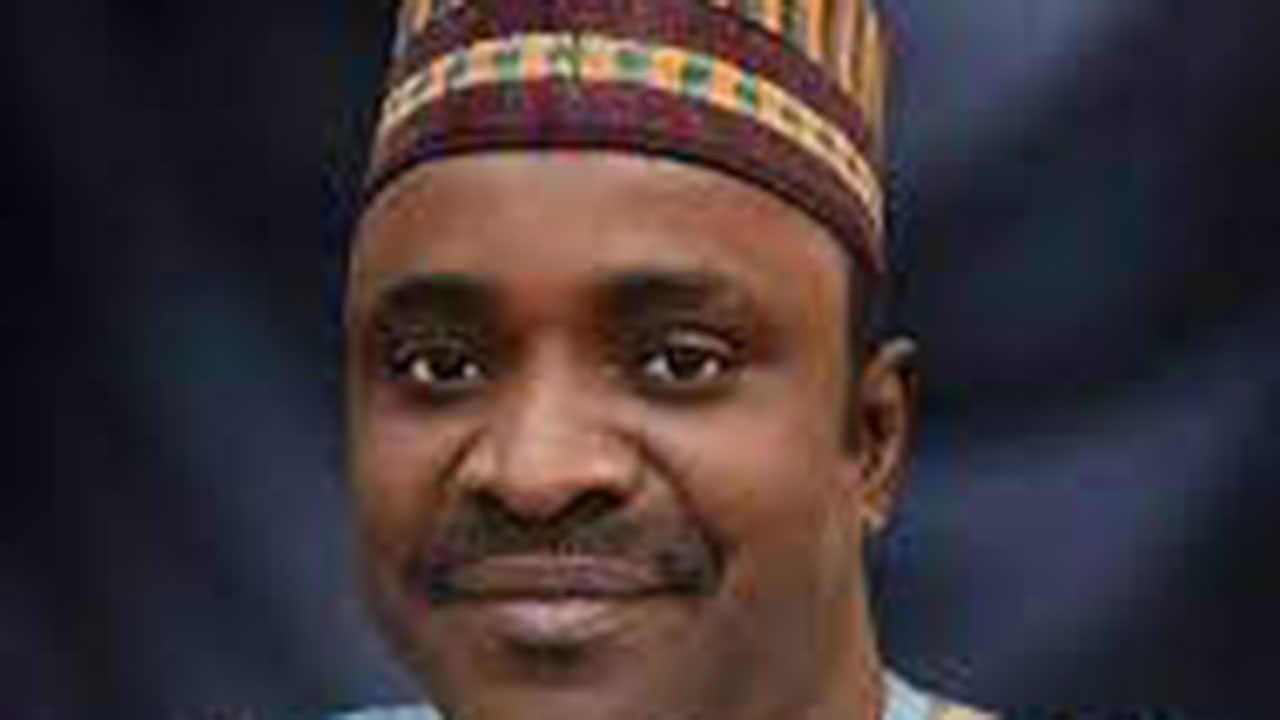
Stakeholders have called on the new Minister of Transportation, Ahmed Alkali, to harness the immense potential in the ministry to achieve real transformation in the transportation sector.
This is coming even as Alkali has expressed resolve to ensure effective supervision, monitoring and evaluation of the performance of all the departments of the ministry and the agencies to meet operational standards, judicious expenditure and optimal productivity.
[ad]
Stakeholders added that they want him to integrate, privatise and liberalise stranded projects for the better use of Nigerians and collaborate with existing agencies to actualise the goals of the ministry by providing an affordable transport system for citizens.
Speaking with The Guardian, Professor of Transport and Logistics, Lagos State University (LASU), Samuel Odewumi, said Alkali has his job cut out for him and has no luxury of study time.
With the removal of subsidy which has negatively impacted transportation, Odewunmi said the minister must quickly seize the bull by the horns as the sector is in a huge crisis.
He added that the minister will be working with a cream of the knowledgeable crop of civil servants in the ministry right from the Permanent Secretary, Dr Magdalene Ajani, who had worked with energetic ministers like Ameachi, Adegoroye and Saraki.
Odewumi, who doubles as Chairman of, Road Sector Committee, Chartered Institute of Transport Administration of Nigeria (CIOTA), said the opportunities for him are the availability of core professionals and agencies that he could tap into for easy and good grasp of the issues in the sector that he can make a part of his think tank.

He said the threats are the rapid and unceremonious transfer of informed civil servants from the ministry, which could affect the permanent secretary and the directors, thereby disrupting the institutional memory of the ministry.
According to him, another issue is the overlap with the Ministry of Works, which Odewumi advised the minister to work out a lasting synergy with the ministry if meaningful progress is to be made. He also called the minister’s attention to the National Transportation Policy Draft that has been languishing, unused, for almost five years.
He said the minister must work to get it officially pronounced and professionalise the ministry so that a good pool of knowledgeable handlers will always be available.
Other issues, according to him, relate to road authority to coordinate the biggest mode of transport, facilitating more than 90 per cent of mobility in the country.
Associate Professor at Keele Business School, United Kingdom, Emmanuel Mogaji, said the minister must establish a sustainable transportation mode that encompasses financial viability, environmental responsibility and safety for all users. Mogaji said this necessitates an inclusive transportation framework that prioritises the needs of vulnerable consumers, coupled with a technology-driven transport system. To achieve these goals, a comprehensive assessment of the current state of transportation is imperative, followed by resolute actions to enhance the existing setup.
[ad]
He said a robust foundation for inclusive policymaking is vital, grounded in rigorous academic research and active participation from stakeholders. This collaborative approach ensures that policies are not only well-informed but also reflective of the diverse perspectives within the society. The university don said the minister must focus on strategic investments in infrastructure and it is essential to take stock of the existing transportation modes, identify their shortcomings and take proactive steps to rectify them. This encompasses scrutinizing road networks, railways and waterways to pinpoint areas of improvement.
Mogaji said collaboration with transport service providers to design initiatives that elevate their service quality is crucial, adding that the minister should explore alternative transportation modes, accompanied by robust support systems and funding mechanisms to fuel technological advancements and innovation in this sector.
According to him, the ministry must outline a comprehensive four-year plan, clearly articulating its objectives and anticipated outcomes. Implementing a system for tracking progress, potentially via a dedicated website or regular updates can serve as a way to demonstrate their commitment to positive change. This transparent approach is pivotal in building trust amongst the public, assuring them of the ministry’s dedicated efforts towards improving the transportation landscape.
However, to realise the government’s aspiration, the minister pledged to support the provision of a conducive environment and maintain zero tolerance for indiscipline, laxity, inefficiency and any form of misconduct in the discharge of his official responsibilities.
Chief Executive Officer, West Atlantic Cold-Chain and Commodities Limited, Henrii Nwanguma, said the minister should be true to the constitution of the country, while also faithfully and imaginatively implementing all government policies that will see to the creation of the most attractive and competitive logistics ecosystem to power the economy and GDP and raise the contribution of the sector.
Nwanguma said stranded projects should be integrated, privatised and liberalised for the sector to be reinvigorated to enable the sort of quantum leap that was witnessed in the communications and financial services sectors.
[ad]
He said there should be synergy of all three levels of government with the private sector with the minister marshalling this cooperation.
“He should be a listener, not assuming to know everything, appoint competent advisors, shun vices such positions have become associated with and as a matter of urgency, convene a broad stakeholders transport and logistics summit to help the ministry recalibrate and re-strategise.”
According to Nwanguma, baseline indices of the transport and logistics ecosystem should be established and the desired goals set based on hard data and facts, not wild assumptions.
He said transportation and logistics are derived services that exist for the benefit of other sectors and should grow in a virtuous circle, being the pull and push for the other sectors at the same time.
The transport commission issue should be given deserved attention and all other agencies and parastatals made to function in a businesslike manner, he concluded.
[ad]

