 Follow Us on Google News
 Follow Us on Google Discover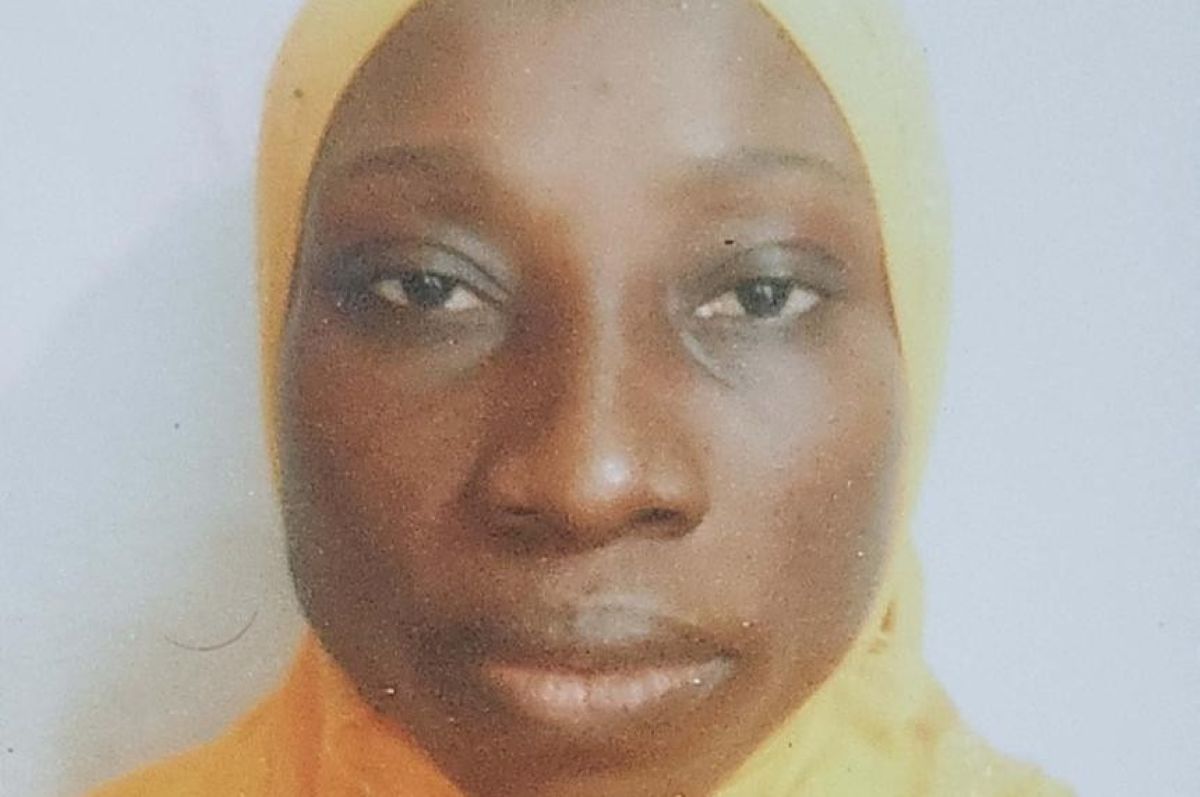
Every year, March 8 marks International Women’s Day (IWD)—a moment of global reflection on the economic, social, and cultural achievements of women. In celebration of IWD 2022, Racheal Olatayo speaks with Mistura Akinwoye, a senior labour officer at the Federal Ministry of Labour and Employment and a seasoned sociologist with over a decade of field experience.
Akinwoye sheds light on the often-overlooked challenges faced by Nigerian working women and outlines the critical steps needed to create a more inclusive and supportive work environment.
With over a decade of experience in sociology and labor policy, what motivated your focus on the unique challenges facing working women in Nigeria?
As a woman and an advocate for mental well-being, I come to understand the powerful role that information plays in shaping how we respond to life challenges. Working women in Nigeria often face a dual burden for their homes while striving to meet demanding professional expectations. This constant juggling can have a profound effect on their mental and physical health.
Over the years, I’ve realized how critical it is to raise awareness about these challenges and equip women with the knowledge and resources they need to navigate them. It’s also important to highlight the work of organizations and associations that support women’s advancement in the workforce. By doing so, we not only help women protect their mental well-being, but also empower them to better support their families, spouses, and careers. Ultimately, my hope is to ease the path for current and future-generations of working mothers in Nigeria by reducing the challenges they face while boosting productivity and resilience across our workforce.
Can you share some recent data on the experience of working women in Nigeria?
According to the National Bureau of Statistics and the International Labour Organization, women make up about 43% of Nigeria’s labor force. However, only 20% of them, advance into senior management positions. One in three working women experiences some form of workplace harassment, and over 80% are engaged in unpaid domestic and caregiving work. What’s more, fewer than 15% of women in the private sector have access to paid maternity leave. These figures paint a stark picture of the multifaceted struggles Nigerian women face in the workplace.
From your perspective, what are the main challenges working women in Nigeria face?
In my experience, the core challenges fall into three categories: socio-economic disadvantages, the struggle to balance work and family life, and gender-based discrimination. These issues are deeply rooted in societal expectations and structural systems that continue to disadvantage women, no matter their level of qualification or dedication.

Can you elaborate on the socio-economic barriers?
Many women are held back from advancing their education due to the combined demands of work and family. As a result, they often remain in the same positions for years without promotion, which limits their earning power and professional growth. Additionally, a lack of access to financial literacy tools makes it difficult for them to plan long-term or invest in themselves. Without higher education or professional development opportunities, women are often left unable to compete with their male colleagues or attain leadership roles.
And what about work-life balance—how does that come into play?
That’s a major issue. Many working women in Nigeria have little to no childcare support and are left juggling the roles of professional, mother, and caregiver all at once. The situation is particularly difficult in sectors like banking and insurance, where working hours are rigid and long. When you add in poor transportation systems and long commuting times, the physical and emotional toll becomes overwhelming. Essentially, women are doing double shifts—paid labor outside the home and unpaid work within it.
How does gender discrimination manifest in the workplace?
Unfortunately, it’s all too common. Some private companies still deny women their legal right to paid maternity leave. Beyond that, many women are subjected to sexual harassment or are passed over for promotions because of outdated gender stereotypes. There have been cases where women were threatened with job loss after refusing to engage in inappropriate relationships with their supervisors. These discriminatory practices don’t just violate rights—they damage women’s confidence and rob them of the opportunity to advance.
What interventions do you believe can begin to turn things around?
We need multi-layered interventions. First, government and private institutions must begin to provide subsidized childcare services that make it easier for mothers to work and have some time for self-care. Our transportation systems must also improve—women should not spend hours commuting under unsafe or exhausting conditions. There’s also a strong need to support women through education, including scholarships and training for graduate-level studies. Equally important is the enforcement of labor laws—ensuring equal pay for equal work, protection against workplace harassment, and guaranteed maternity leave. Finally, we must adopt more flexible work arrangements. Remote and hybrid models have proven effective globally, and they should be considered here as well.
In addition to policy reforms, there are organizations already doing important work to support Nigerian women’s professional advancement. Groups like Women in Successful Careers (WISCAR), Nigerian Professional Working Women (NPWW), and Women in Tech Nigeria—which recently partnered with several firms to provide tech training to women—are making meaningful contributions. Others include the Women Impacting Nigeria (WIN) Foundation, She Leads Africa (SLA), and the Stronger Women, Stronger Nation (SWSN) initiative, which focuses on empowering women in high-risk areas like Plateau and Bauchi States through skills and business training.
You Any final thoughts for our readers on this International Women’s Day?
I envision a Nigeria where women are not limited by stereotypes. A nation where they are valued for their intellect, their integrity, and their contributions. We must collectively build a society where women can dream without restraint and rise without apology. Let us recognize that empowering women strengthens our homes, our workplaces, and our nation.
What advice or words of encouragement would you like to leave readers with?
Being a woman, mother, and a professional often feels like wearing three socks on one foot—it’s uncomfortable, and sometimes painful. But with focus and resilience, each role becomes a point of pride. My final thought is this: I see a Nigeria where a woman is celebrated for what she brings to the table, not sidelined by outdated beliefs.

