 Follow Us on Google News
 Follow Us on Google Discover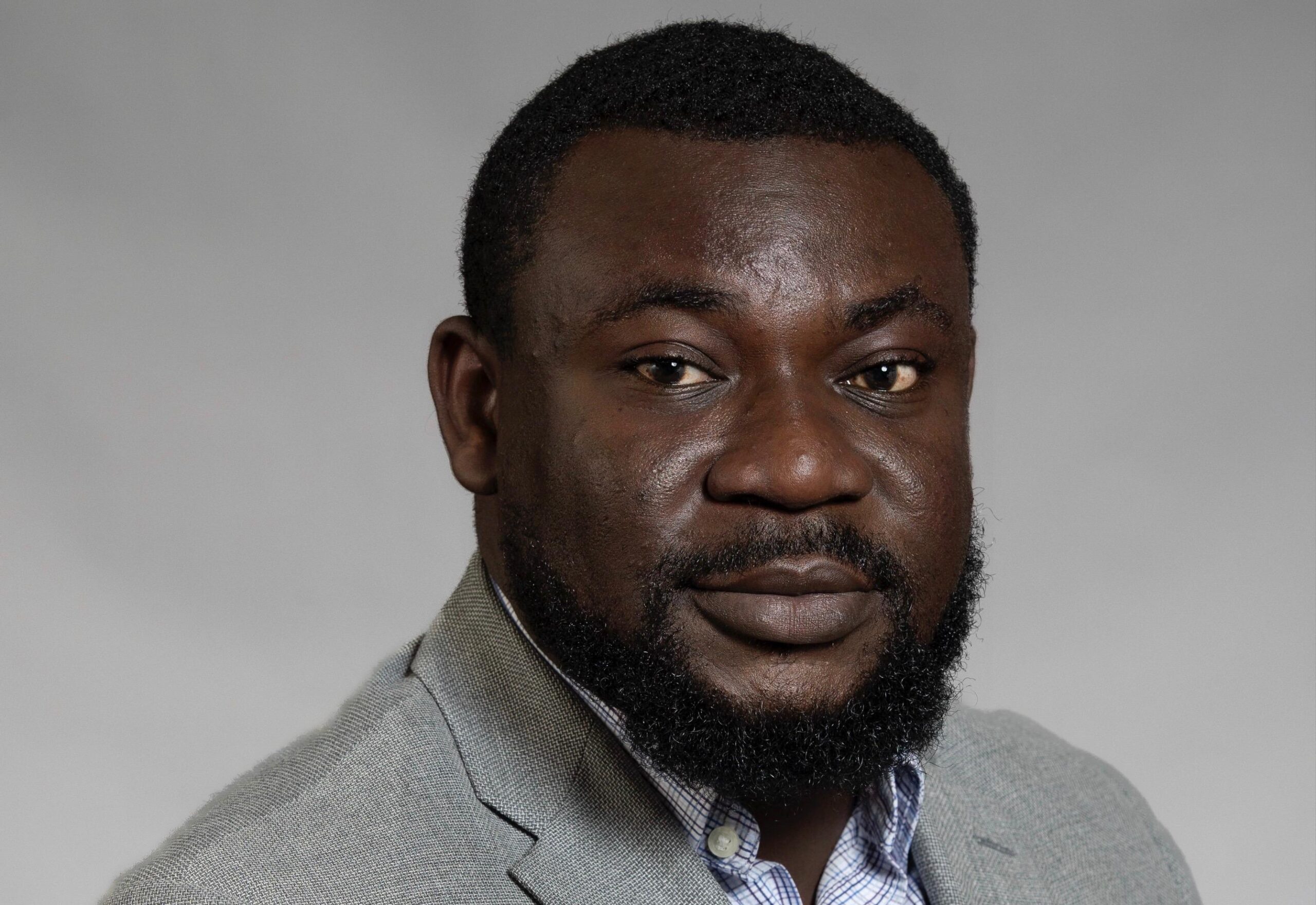
 In the rapidly evolving world of pharmaceuticals, Damilola Adekola is a standout figure driving meaningful change across Nigeria and Africa. With extensive experience in product management, market expansion, and customer relations, Adekola has not only achieved impressive business milestones but also contributed significantly to expanding healthcare access for communities across the continent. In this interview, Adekola shares his insights on the challenges and triumphs in his career, his vision for the future of healthcare in Africa, and how AI and technology will play a central role in the industry’s evolution.
[ad]
Can you start by sharing what initially drew you to the pharmaceutical field and how your career took shape in the early years?
My journey in the pharmaceutical industry began right after I earned my Bachelor of Pharmacy from the University of Jos. I’ve always been passionate about healthcare, but I was also deeply interested in the strategic aspects of business. The pharmaceutical field seemed like the perfect intersection between the two, allowing me to work on products that directly improve lives while navigating complex business challenges. I started with a multinational company, and those early years were invaluable in terms of understanding the intricacies of the industry. Working in an African context, I quickly learned the importance of adapting global strategies to local needs, which has become a key theme throughout my career.
Your work at a major multinational pharmaceutical company, where you led a cross-functional team, was widely recognized. Could you tell us more about what that role entailed and the impact you were able to make?
Absolutely. Leading a team of 25 people in sales and marketing at such a large company was both challenging and rewarding. We were responsible for launching several innovative healthcare products in Nigeria. But beyond just introducing products, I wanted to ensure we were addressing actual needs in the community, filling gaps in healthcare access, and providing valuable services. Our efforts culminated in a program called “in-reachAfrica,” which aimed to provide healthcare access in underserved areas. Through this initiative, we were able to bring essential medications and healthcare education to communities that lacked these resources. For me, the real highlight was not only being recognized as one of the top three employees in Africa in 2022 but seeing the direct impact our work had on people’s lives. It was a powerful reminder that the pharmaceutical industry has the potential to drive positive change far beyond commercial success.
That’s incredibly impactful. After that role, you moved to Boehringer Ingelheim as a Product Consultant and Commercialization Manager, with a focus on expanding into Nigeria. How did you approach this new challenge?
When I joined Boehringer Ingelheim, the task was to develop and execute a market penetration strategy for Nigeria as part of the company’s larger Africa expansion agenda. I approached it with a data-driven strategy, focusing on understanding the market’s nuances and segmenting our audience so we could target our efforts effectively. This was a new market for Boehringer, so establishing strong, trusting relationships with both businesses and consumers was essential. The strategy was comprehensive, with a strong emphasis on B2B and B2C communications. By focusing on direct engagement, we were able to educate consumers and stakeholders on the benefits of our products, which was critical for brand acceptance. The results were beyond our expectations: we exceeded our £10 million annual target for Nigeria, and I was honored to be recognized as one of the top five performers in Sub-Saharan Africa for three consecutive quarters. The role was challenging, but it solidified my belief in the power of data-backed strategies and relationship-building.
You’ve also been a Key Account Manager with Biogaran – Swiss Pharma in North Central Nigeria, a role where you focused on local markets. How did this experience differ from your previous roles, and what were some of the highlights?
The role with Biogaran was quite different because it was more focused on a specific region, North Central Nigeria. My main objective was to implement a sales force effectiveness strategy that would boost our market share. Through a mix of consultative sales techniques and targeted outreach, we achieved a 53% increase in market share—a significant accomplishment in that region.
One of the highlights of this role was building relationships with state governments, securing contracts with five states that brought essential medications to public health facilities. This not only drove a 60% increase in annual revenue and a 25% growth in profit margins but also increased access to healthcare for many people. Working with local governments provided a unique perspective on how public-private partnerships can be leveraged to achieve both business and social impact, something I’m very passionate about.
You mentioned using data-driven strategies in your work. How have digital tools like analytics platforms, and even AI, impacted your approach to pharmaceutical marketing and sales?
Digital tools have been transformative. For example, platforms like SQL, Tableau, and Power BI allow us to gain deeper insights into market trends, customer preferences, and performance metrics. AI and machine learning, in particular, have opened up even greater possibilities. With AI, we can predict demand more accurately, optimize inventory levels, and even personalize marketing strategies. One area I’m excited about is using AI to better understand customer segments and create predictive models that help us refine our marketing approaches over time. For instance, we can analyze patterns in purchasing behavior and adjust our strategies to address changing needs. AI also allows us to analyze vast amounts of data more efficiently, which is especially useful in a large and diverse market like Africa. By understanding regional variations and customer needs on a granular level, we can make more informed decisions that ultimately drive growth and improve access to healthcare.

What do you see as the potential for AI and other emerging technologies to transform healthcare access in Africa, especially in the pharmaceutical sector?
I believe AI has the potential to revolutionize healthcare access in Africa in several ways. For one, it can help us overcome some of the logistical challenges that have historically limited access to medication in remote areas. By optimizing supply chain processes, AI can help ensure that medications reach underserved regions more consistently and affordably.
Additionally, AI-driven data analysis can enhance our understanding of health trends and emerging needs, which can guide the development and distribution of new products. In the pharmaceutical sector specifically, AI can also support personalized medicine, which is especially promising in regions with diverse healthcare needs. Imagine being able to use AI to analyze a population’s health data and identify which treatments are most effective for specific demographics or regions. This kind of precision healthcare could have a transformative impact, improving patient outcomes and making healthcare more efficient.
That’s fascinating. What are some of the biggest challenges you’ve faced in implementing such technologies, and how have you addressed them?
One major challenge is infrastructure. While AI and digital technologies hold immense promise, they require reliable networks and data sources, which can be limited in some areas. We’ve had to be resourceful in adapting technology to the constraints of the local infrastructure. Often, that means partnering with local organizations to gather data or relying on mobile technology to reach consumers where more traditional systems fall short.
Another challenge is regulatory compliance, as rules and standards vary significantly across African countries. Ensuring that our use of data and AI meets regulatory standards is crucial, and this requires close collaboration with local governments and legal experts. Additionally, there’s the issue of data privacy, which is becoming increasingly important. In our case, we’ve worked to establish protocols that protect customer data while still enabling us to gain the insights we need to make informed decisions.
Looking beyond technology, your career seems to emphasize the importance of relationship-building. How has this played a role in your achievements, especially in complex markets like Nigeria?
Relationship-building is absolutely essential, especially in a market as unique and dynamic as Nigeria. Healthcare is a deeply personal field, and trust is a key factor in building brand loyalty. Whether it’s working with government officials, healthcare providers, or consumers, I prioritize establishing trust and open communication. For example, when launching a new product, we don’t just distribute it; we educate people on its benefits and address their questions and concerns. This approach was particularly valuable at Boehringer, where we launched targeted B2B and B2C strategies to engage both businesses and end consumers. By fostering these relationships, we created a strong foundation for brand acceptance, which in turn drove market share growth. It’s a reminder that even with all the advanced tools and strategies available, the human element remains vital.
[ad]
What do you see as the future of the pharmaceutical industry in Africa, and how do you hope to contribute?
The future is bright, and I think we’re going to see a major shift toward more accessible, personalized, and tech-driven healthcare. With the right investments in infrastructure, digital health, and public-private partnerships, the pharmaceutical industry in Africa can make significant strides. Personally, I’m excited to continue contributing to that transformation, particularly by leveraging data and AI to optimize distribution and accessibility. Africa has such a young, dynamic population, and I believe we can create a healthcare model that truly serves its needs.My goal is to continue developing strategies that make healthcare more accessible and effective, while also pushing the industry to adopt more sustainable practices. I see my role as not just driving commercial success but helping to build a healthcare system that is resilient, inclusive, and equipped to tackle future challenges.
Finally, for aspiring professionals entering the pharmaceutical field, particularly in emerging markets, what advice would you offer?
I would say that a blend of technical skills and a deep commitment to the communities you serve is key. Learn the tools of the trade, whether it’s data analytics, project management, or AI, but also focus on building relationships and understanding the needs of the market. The more you can connect your work to the broader impact on healthcare, the more fulfilling and effective your career will be. Be adaptable, as emerging markets are constantly changing, and what works one year may not work the next. Stay curious, keep learning, and don’t be afraid to push boundaries—there’s so much potential to make a difference, especially here in Africa.
[ad]

