 Follow Us on Google News
 Follow Us on Google Discover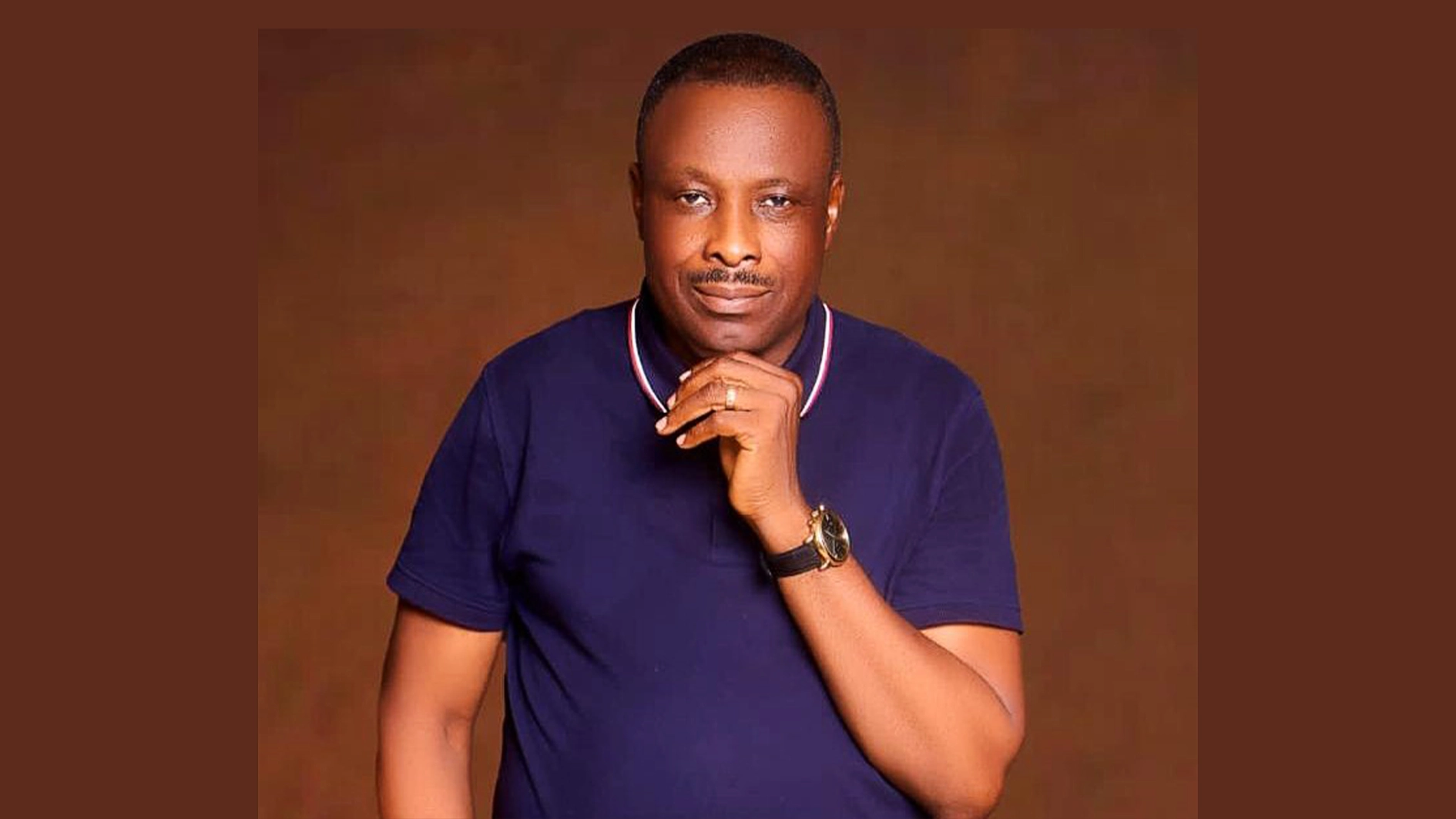
Afolabi Samuel Coker is the Medical Director of Wellness Path Clinic and a complementary and alternative medicine practitioner. In this interview with MOYOSORE SALAMI, he speaks about his journey into complementary medicine, the need for orthodox and complementary medicine to work together, cancer care, preventive healthcare, regulation of the sector and the role of faith in healing.
You have spent decades across healthcare, academia and ministry. What inspired your journey into complementary and integrative medicine?
My journey into complementary and integrative medicine started with a personal experience in 2002. My mother, who turned 91 on April 30, 2026, was diagnosed with breast cancer that had progressed to about Stage 3 and was almost getting to Stage 4. At the time, we were told at the hospital that except for surgery, she had only a few months to live.
My daughter later took her to a naturopath in Ilorin, who prepared some herbal concoctions. There were no incantations or anything of that nature. According to our experience, she recovered from the illness.
That made me curious about complementary medicine and the role it could play in healthcare.
Although I had always been interested, my work in ministry limited my exposure to the field. But the passion remained. I started visiting a professor at Covenant University who had knowledge of complementary medicine. I learnt from him, took notes and continued my personal research.
Eventually, I was inspired to write my book, I Choose to Live, which is based on more than 20 years of my experiences and observations in naturopathic practice. After that, I went for formal training, both online and physically. I obtained my licence from the Lagos State Traditional Medicine Board, joined several professional associations within and outside Nigeria, and also underwent attachments and internships. From there, the practice started gradually, and today, by the grace of God, here we are.

You have a special interest in cancer management. What drew you to this area and what gaps do you see in cancer care in Nigeria?
Cancer has become a major health challenge in Nigeria. We see increasing cases of prostate cancer, cervical cancer, breast cancer, retinoblastoma, especially in children, and many other types of cancer.
My interest in cancer management grew from both personal experiences and the training I later received in complementary medicine. Through my work at Wellness Path Clinic, I have encountered many patients seeking alternative or complementary approaches to treatment after receiving difficult diagnoses.
To the glory of God and what I have learnt over the years, we have managed a number of cancer cases at Wellness Path Clinic.
I always say doctors provide care, but God heals. To the glory of God, we have not recorded any death among the cancer patients we have managed, and we have had some cases where patients later received clinical reports showing no detectable cancer cells.
One of the biggest challenges in Nigeria is late presentation. Many people don’t go for medical check-ups or screening until the disease has reached an advanced stage. By then, treatment becomes more difficult.
That is why I believe there should be more awareness about cancer, more emphasis on early detection, and better collaboration between orthodox and complementary medicine. When patients present early and receive the right support, their chances of a better outcome are much higher.
How would you define integrative medicine, and what role should it play within Nigeria’s healthcare system?
Integrative medicine is about bringing orthodox medicine and complementary medicine together to work for the benefit of patients. Unfortunately, there is what I would call an unspoken rivalry between practitioners of orthodox medicine and those in complementary and alternative medicine. In my opinion, both are doing well in their different areas, but they should not see themselves as competitors.
In naturopathic medicine, we do not see cancer as a death sentence. Like orthodox medicine, we believe early detection is very important because it gives patients a better chance of recovery. We also encourage people to go for proper diagnosis and medical tests before any treatment.
I belong to the Association of Integrative Medicine Practitioners because I believe both systems should complement each other. Our approach is holistic. We don’t just look at one disease or one part of the body; we look at the overall health of the patient.
Treatment may involve nutritional support, herbal capsules, decoctions, tinctures and other complementary therapies. We also pay attention to protecting vital organs such as the liver and kidneys, while treatment is ongoing.
Over the years, we have seen encouraging results in patients who had been told there was little hope. That is why I believe orthodox and complementary medicine should work together. We are not saying people should abandon orthodox treatment. Rather, we believe complementary medicine has a role to play in supporting patients and improving their overall wellbeing.
The challenge is that many people still think herbal medicine is about picking leaves from the bush and mixing them together without any standard. That may have been the practice years ago, but things have changed. Today, many herbal products are processed and produced as capsules, tinctures and other preparations, just like conventional medicines. If you see some of them on the shelf, you may not even know they are herbal products. That is why I believe Nigeria’s healthcare system should create room for both orthodox and complementary medicine to work together, with proper regulation, professional standards and mutual respect. At the end of the day, the goal should be to give patients the best possible care.
There’s growing interest in natural therapies for serious illnesses. How can complementary medicine support patients living with cancer and other life-threatening conditions alongside conventional treatment?
There is what I would describe as an unspoken rivalry between practitioners of orthodox medicine and those in complementary and alternative medicine. In my view, both have important roles to play, and they should not see themselves as competitors.
In naturopathic and complementary medicine, we do not see cancer as a death sentence. Like orthodox medicine, we believe early detection is very important because it gives patients a better chance of recovery. Our role is to complement, not replace, orthodox care. That is why I belong to the Association of Integrative Medicine Practitioners, which promotes collaboration between conventional and complementary medicine.
Our approach is holistic. We do not focus only on the affected organ; we look at the patient’s overall health. Treatment may involve nutritional support, herbal capsules, tinctures and decoctions, alongside therapies aimed at supporting the body’s natural healing process. We also pay attention to protecting vital organs such as the liver and kidneys while treatment is ongoing.
Over the years, by the grace of God, we have seen encouraging results among patients who had previously been told there was little hope. We are not saying people should abandon orthodox medicine or treatments such as chemotherapy. Rather, we believe complementary medicine can support patients and improve their overall health during treatment.
One challenge is that many people still see herbal medicine the way it was practised many years ago. They assume herbal remedies are simply leaves mixed together without proper measurement. That is no longer the case in many modern naturopathic practices.
Today, many herbal products are processed with modern technology and produced as capsules, tinctures and other dosage forms. If you see some of them on the shelf, you may even think they are conventional medicines.
Many conventional medicines are derived from plants, which shows the value of natural products. The important thing is that complementary medicine should be practised by trained and licensed practitioners, with proper regulation and patient safety as the priority.
Wellness Path Clinic places strong emphasis on prevention. Why do you think preventive healthcare remains underutilised in Nigeria despite the rising burden of chronic disease?
Preventive medicine is very important. As we always say, prevention is better than cure, and it is always cheaper to prevent illness than to treat it.
One of the major challenges in Nigeria is poor health education. Many people are influenced by religious beliefs, cultural practices and misconceptions about traditional and complementary medicine. For instance, some people have been told that acupuncture is demonic, which I don’t agree with. I believe that comes from a lack of knowledge and exposure to modern complementary medicine.
If you look at countries like China and India, traditional medicine has gone very far. Chinese medicine and Ayurveda are well established, while in Germany, integrative medicine allows orthodox and complementary medicine to work together, even in some hospitals.
Another challenge is that Nigerians generally do not take preventive healthcare seriously. In many developed countries, before you can even get life insurance, you undergo a comprehensive medical examination. With your consent, the medical report is sent to the insurance company so they can properly assess your health status. In Nigeria, once you pay for the policy, that is often all that matters. We don’t place enough emphasis on preventive health checks.
Many people are afraid of going for routine medical tests because they don’t want to discover that something is wrong. They would rather wait until they break down before seeking medical attention.
Take prostate enlargement and prostate cancer, for example. Men from about the age of 40 should check their prostate regularly, but many don’t. The same applies to women. Regular breast examinations and cervical screening can help detect disease early, but many people wait until symptoms become serious.
The same thing happens with hypertension and other heart-related conditions. People talk about sudden death, but many of these cases could be prevented through regular medical check-ups and proper health management. The economic situation also contributes to the problem. With poverty and the rising cost of living, many people focus on meeting their daily needs. As long as they can still work, they assume they are healthy without paying attention to what may be happening inside their bodies.
That is why I believe we need more health education. People need to understand the importance of routine medical check-ups, healthy eating, healthy living and early detection. Prevention should become part of our lifestyle rather than something we think about only after illness develops.
Many patients turn to alternative remedies after a difficult diagnosis. What advice do you give people considering complementary therapies for cancer, and how do you make sure that advice isn’t mistaken for a substitute for oncology care?
The World Health Organisation has documented that a large percentage of the world’s population uses traditional, complementary and alternative medicine. That shows there is growing interest in these approaches. Nevertheless, we are not in competition with orthodox medicine. We complement it.
My advice to every patient is to first go for proper medical tests. Take cancer, for example. We encourage patients to carry out the necessary investigations, including conventional tests such as the carcinoembryonic antigen (CEA) test where necessary, so that we know the nature and extent of the condition. In our practice, we also use NLS as part of our assessment because it gives us a clearer picture of the body’s condition. But we don’t tell people to ignore conventional diagnosis. Proper investigation comes first before any treatment. Just as you won’t treat a patient without checking the person’s blood pressure, you shouldn’t recommend herbs without first knowing the person’s health condition. Some herbs may not be suitable for people with low blood pressure, while others may not be suitable for people with hypertension. That is why people should avoid self-medication, even when it comes to herbal remedies.
The media also has a major role to play in educating the public because many people simply don’t know these things. The more people understand complementary medicine, the better informed they will be when making decisions about their health.
Another challenge is the perception that complementary medicine is not properly regulated or practised professionally. Yet many practitioners today have formal training, belong to recognised professional associations and are licensed to practise.
If you look at countries like Ghana, they have made greater progress in developing complementary and traditional medicine. I believe Nigeria can also move in that direction through better regulation, greater awareness and more collaboration between orthodox and complementary medicine.
At Wellness Path Clinic, we combine herbal medicine, acupuncture, acupressure and other complementary therapies as part of our approach. Our goal is to support the patient’s overall health while working alongside orthodox medicine, not against it.
As a practitioner recognised by Lagos State and affiliated with several professional bodies, how important is regulation in building credibility and ensuring patient safety in the alternative medicine sector?
Regulation is very important because every profession has genuine practitioners as well as quacks. It is not peculiar to complementary medicine. You have quack engineers, fake lawyers and unqualified people in many professions. That is why regulation is necessary.
I must commend the Lagos State Government because it has put a regulatory system in place. If you practise as a traditional, naturopathic or complementary medicine practitioner in Lagos without being licensed by the Lagos State Traditional Medicine Board and you are caught, you risk a fine of up to N1 million or imprisonment. That has helped to improve standards in the profession.
As practitioners, we are required to register every year. Apart from registering personally, we also register our facilities annually. If you fail to do that, there are sanctions. Those measures are there to ensure that practitioners operate within the law and maintain professional standards.
Training is also very important. You cannot practise medicine without continuous learning. I have undergone training in different institutions, both online and physically, and I am currently pursuing a doctorate in complementary and alternative medicine. In this profession, you must continue to study because knowledge keeps evolving.
I am also a member of several professional bodies, including the Association of Integrative Medicine Practitioners, the Nigerian Council of Physicians of Natural Medicine and the Nigerian Association of Traditional Medicine Practitioners. I am also recognised by the Federal Ministry of Health as a traditional medicine practitioner.
Patient safety must always come first. You cannot afford to be careless with people’s lives. That is why proper training, regulation and continuous education are essential. They help to separate qualified practitioners from quacks and also give the public more confidence in the profession.
You also serve as a ministry leader. How do faith and spirituality intersect with your understanding of healing and recovery?
I have been in ministry for many years. I was ordained as a pastor on November 23, 1991, after serving as a deacon for about two years. Today, I serve as the General Overseer of a ministry with a prophetic outreach and a strong emphasis on faith.
For me, faith and healing go together. When you study the Bible carefully, you will find many references to the use of herbs. From Genesis to Revelation, there are several passages that speak about natural remedies. I believe God has provided everything we need in nature for our wellbeing.
The same applies to Islam. The Hadith also contains teachings on medicine and the use of herbs. Islamic medicine has developed over the years, just as Chinese medicine has. Across different traditions, there is recognition that nature has a role to play in health and healing.
One of the challenges we have in Africa is the effect of colonialism. Many of us were made to believe that everything foreign is better, while anything African or traditional is demonic. I used to think that way myself, but my studies and experience have changed my perspective.
I believe many herbs and plants have medicinal value. The important thing is that they should be properly studied, standardised and used responsibly. We shouldn’t dismiss them simply because they are natural.
Take acupuncture, for example. We have seen it used to support people living with conditions such as arthritis, hypertension and infertility. It is one of the therapies we use as part of a holistic approach to patient care.
Ultimately, I believe healing comes from God. Healthcare practitioners provide care, but God is the one who heals. My faith influences the way I approach my work, but I also believe that knowledge, research, proper training and responsible practice are essential in caring for patients.
Looking ahead, what’s your vision for the future of integrative and naturopathic medicine in Nigeria, particularly in cancer care and chronic disease management?
I look forward to a time, and I don’t think it is too far away, when complementary and traditional medicine will no longer be seen as an alternative but will be properly integrated into Nigeria’s healthcare system.
I would like to see a situation where orthodox medicine and complementary medicine work side by side. For example, in a general hospital, you can have orthodox medicine in one unit and complementary medicine in another, with both working together and referring patients where necessary. There should be no unhealthy rivalry or sentiment.
At the end of the day, what matters is saving lives.
The government has a major role to play. It should create the right policies and provide the necessary support for complementary medicine to grow under proper regulation. That will make these services more accessible and ensure that qualified practitioners are recognised.
I also believe there should be more collaboration between practitioners. Some conventional medical doctors are already studying complementary medicine and obtaining licences to practise. One of my internship mentors trained in the United Kingdom and the United States before going into complementary medicine, and that shows the gap can be bridged.
Professional associations are also making efforts to encourage collaboration, although there are still challenges. Like every profession, there are differences of opinion, but I believe those can be resolved if the focus remains on the patient.
The media also has an important role to play. There is still very little public awareness about complementary medicine in Nigeria. The more people understand what we do, the easier it will be to separate genuine practitioners from quacks and to appreciate the role complementary medicine can play.
For me, it is not about proving that one system is better than the other. It is about reducing illness, saving lives and giving patients more options. If orthodox and complementary medicine can work together with mutual respect and proper regulation, I believe Nigeria’s healthcare system will be better for it.

