GDN SIDEBAR
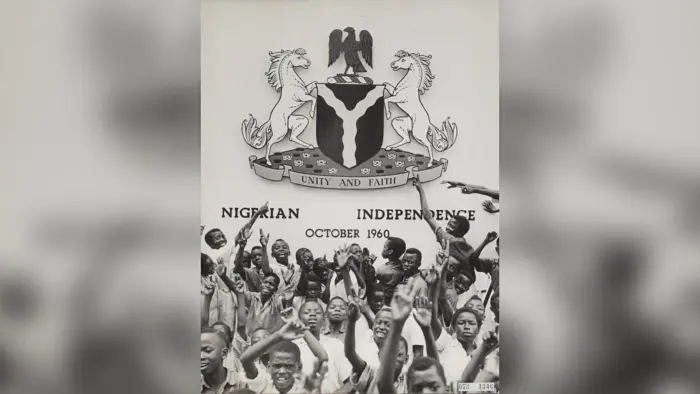
Nigerian songs play at parties thousands of miles away, our books reach classrooms abroad, and our food reminds people of home. As we celebrate these connections after Nigeria marked 66 years of independence on Thursday, we look at 10 contributions the country has made to the world.
1. Afrobeat/Afrobeats
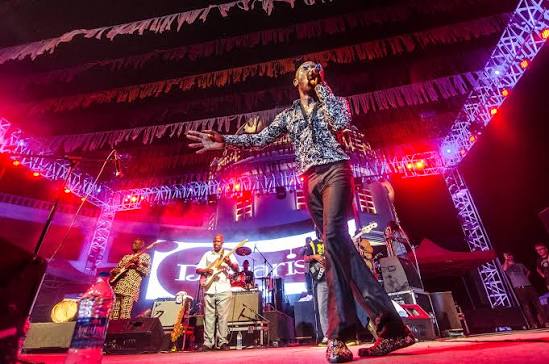
Fela Anikulapo-Kuti and drummer Tony Allen helped create Afrobeat, mixing jazz, highlife, funk, and Yoruba rhythms with songs that challenged those in power. Decades later, Wizkid, Burna Boy, Davido, and Rema helped take Nigerian pop to more listeners abroad. Today’s Afrobeats is different from Fela’s Afrobeat and shares roots with Ghana, but Nigerian artistes have played a major role in its success.
2. Nollywood
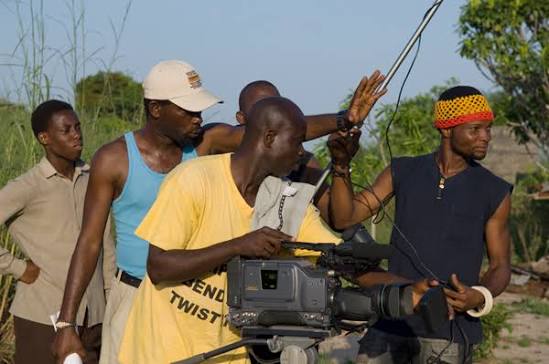
Nollywood brought Nigerian homes, family troubles, humour, and beliefs to screens across Africa. Filmmakers built an industry through affordable productions and films people watched at home. Later, cinema releases and streaming opened more doors. Its success showed that local stories could attract audiences far beyond the places where they were made.
3. Literature
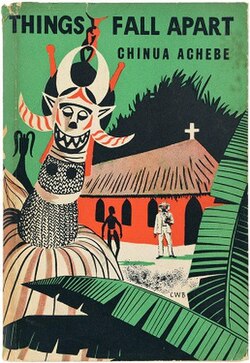
Chinua Achebe’s Things Fall Apart, published in 1958, helped readers understand Igbo life through the eyes of an African writer. It remains widely studied. Wole Soyinka made history in 1986 as the first African to win the Nobel Prize in Literature. Their books and plays gave the world stories that challenged narrow ideas about Africa.
4. Art
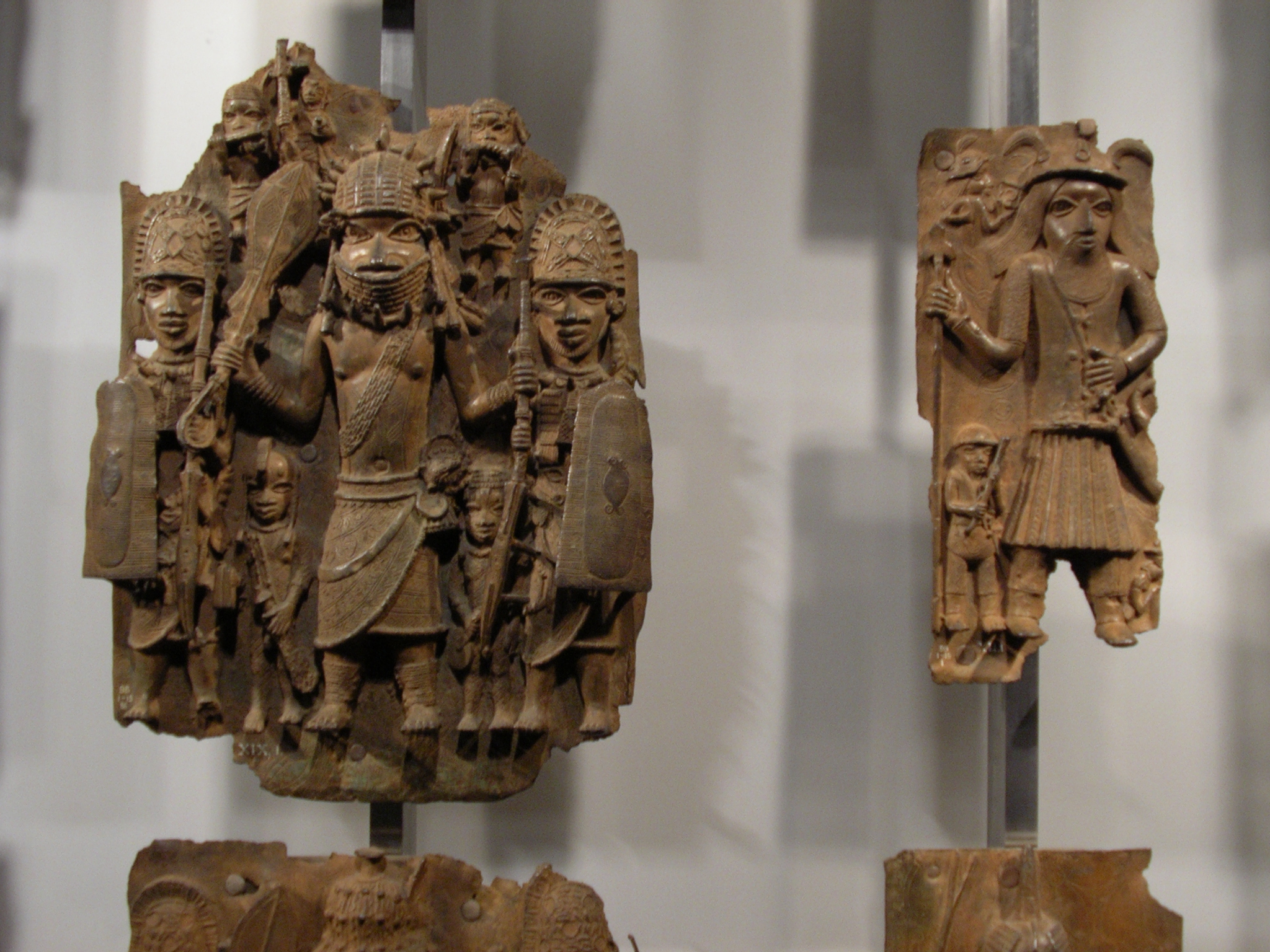
The Benin Bronzes show the skill of Edo artists who recorded royal life and history through metalwork and carving. These works came from the Kingdom of Benin in present-day Nigeria. British forces stole many during their attack on Benin City in 1897. Their return has become part of a global debate about who owns art taken under colonial rule.
5. Fashion
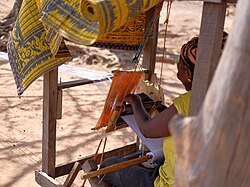
Adire and aso oke carry generations of Nigerian skill. Yoruba dyers create adire patterns by treating parts of the cloth so they resist dye. Weavers make aso oke in narrow strips, then join them together. Nigerian designers have brought these fabrics into modern collections, while museums such as London’s Victoria and Albert Museum document the craft behind them.
6. Food
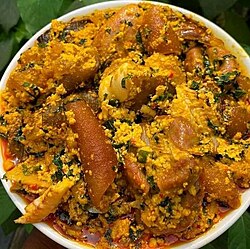
Nigerians have carried suya, egusi, pepper soup and their version of jollof into kitchens and restaurants abroad. Chef Kwame Onwuachi, whose roots include Nigeria, has shared these dishes with international readers and diners. Jollof belongs to several West African countries, but Nigeria’s version has helped introduce more people to the region’s food. w
7. Medical research
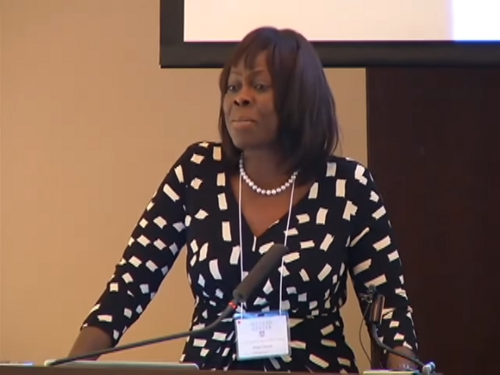
Oncologist and geneticist Dr Olufunmilayo Olopade studied medicine at the University of Ibadan before continuing her career in the United States. Her research helps doctors understand inherited breast cancer risk. University of Chicago Medicine credits her work with improving early detection, treatment, and prevention for women at high risk. This Nigerian contribution reaches people through healthcare.
8. Football

Nigeria gave the world an unforgettable Olympic football tournament in 1996. The men’s team beat Brazil 4-3 in the semi-final, then defeated Argentina 3-2 in the final. Nigeria became the first African country to win Olympic men’s football gold. Kanu, Okocha, Amuneke and their teammates earned a place in sporting history.
9. Peacekeeping
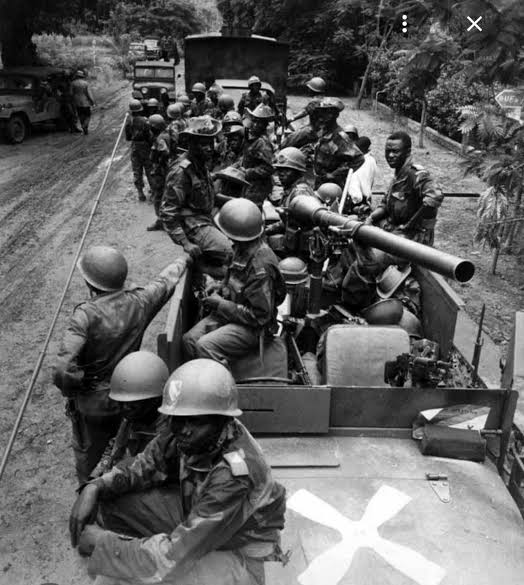
Nigeria began sending personnel to United Nations peacekeeping missions in 1960. Nigerian soldiers and police have since served in dozens of missions. The UN credits Nigerian troops with helping restore security in Liberia after its civil war. Their service is part of Nigeria’s contribution to countries beyond its borders.
10. Yoruba traditions
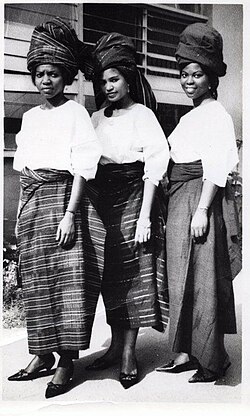
Yoruba traditions have remained part of community life beyond Nigeria, including in the Americas and the Caribbean. UNESCO recognises Ifa, which draws on a large body of verses and a system of signs interpreted by trained practitioners. These traditions preserve language, stories and knowledge across generations, connecting communities separated by oceans.