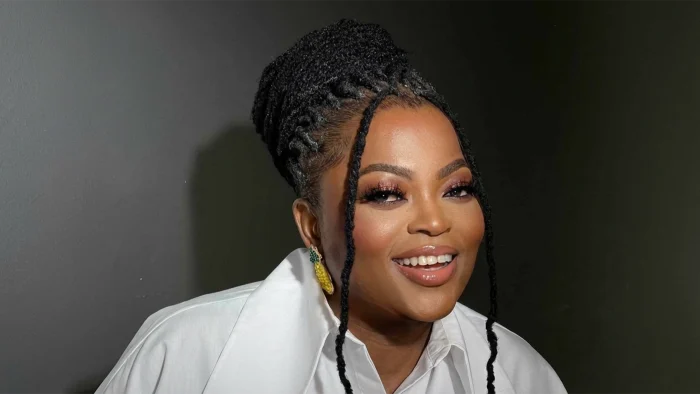
The Nigerian Association of Resident Doctors (NARD) and the Nigerian Medical Association (NMA), Lagos State branch, have faulted comments made on TVC Breakfast over the management of snakebite cases following the death of fast-rising singer Ifunanya Nwangene in Abuja.
The reactions came on Thursday, after public debate trailed reports that the young artiste died from complications of a snakebite at a hospital in the Federal Capital Territory.
NARD, in a statement signed by the President, Dr Mohammad Suleiman; Secretary General, Dr Shuaibu Ibrahim; and Publicity and Social Secretary, Dr Abdulmajid Ibrahim, expressed condolences to the bereaved family but raised concern over what it described as medical misinformation aired on national television.

The association stated that tying or constricting a snake-bitten limb is no longer recommended in modern medical practice, warning that such action can worsen tissue damage and increase the risk of necrosis.
It said, “Contrary to claims made on the programme, tying or constricting a snake-bitten limb is not recommended in modern medical practice. This method has long been abandoned due to evidence showing that it can worsen tissue injury, increase the risk of necrosis, and does not meaningfully prevent venom dissemination.”
The doctors also defended the use of intravenous fluids in snakebite victims.
NARD added, “It is incorrect and misleading to suggest that intravenous fluids are ‘treatment for malaria.’ Rather, they are a fundamental supportive intervention used across a wide range of medical emergencies.”
The association stressed that snake antivenom remains the definitive treatment for envenomation.
It stated, “It is important to emphasise that snake antivenom remains the definitive treatment for envenomation, and its timely availability can mean the difference between life and death. Unfortunately, the persistent unavailability of antivenom and other essential medicines in many Nigerian hospitals reflects a longstanding systemic failure in health financing, procurement, and supply chain management. This is the core issue that deserves national attention.”
The body further warned against blaming health workers for systemic failures, saying, “Publicly blaming healthcare workers for outcomes that stem from systemic deficiencies is not only unjust but counterproductive.”
Similarly, NMA, Lagos State branch, in a statement titled, “Inaccurate and Unprofessional Commentary on Snakebite Management on the TVC Breakfast Show,” condemned the remarks made by the programme’s presenters.
The statement, signed by its Chairman, Dr Babajide Kehinde Saheed, described the comments questioning the use of intravenous fluids during resuscitation as misleading and unprofessional.
He said, “The comments questioning the use of intravenous fluids during resuscitation were misleading, unprofessional, and demonstrated a lack of understanding of standard medical practice.”
The association also criticised what it termed a media trial of doctors.
It stated, “Subjecting doctors to public commentary without factual accuracy or expert consultation amounts to an unwarranted media trial.”

The NMA Lagos, therefore, demanded a public apology from the presenters.
It said, “The Nigerian Medical Association, Lagos State Branch, therefore calls on the presenters involved to tender an unreserved public apology to Nigerian doctors for their misleading, unfair, and unreasonable comments on established medical practices, including the use of intravenous fluids in the resuscitation of snakebite victims.”
The association further urged governments at all levels to improve funding, remuneration of health workers and healthcare infrastructure, noting that a stronger health system is key to better patient outcomes.