GDN SIDEBAR
As Nigeria grieves gospel star Osinachi Nwachukwu’s tragic end, we also pay tribute to other late icons—Sound Sultan, Mohbad, Onyeka Onwenu, Tosyn Bucknor, Victor Uwaifo and Dan Maraya Jos—whose music endures.
On April 28, Nigerians remembered, again, the late Osinachi Nwachukwu, after her husband was handed a death sentence for her murder. Osinachi, who was popular for several hits including 2017’s Ekwueme and 2020’s God of Power, among others, was a colossus within the Nigerian gospel music community.
As the Nigerian music scene mourns her death, we also remember several other deceased heroes and heroines within Nigerian music, whose catalogues continue to inspire the next generation of Nigerian musicians.
Sound Sultan (1976–2021)

Born Olanrewaju Fasasi, Nigerian soundsmith Sound Sultan was a maestro of Afro-fusion, weaving hip-hop, reggae, and R&B into socially conscious discography. His breakout hit Mathematics, released in 2000, satirised the country’s systemic corruption. His other albums include 2001’s Kpseeeeeeew, 2013’s Me, My Mouth and I, as well as his last album, 8th Wonda, released in 2020.
With over nine albums and a Headies award for his Back From The Future album, his Naija Ninjas imprint continues to soar as an evergreen muse within the Nigerian music space. He closed the curtains on July 11, 2021, after battling with Angioimmunoblastic T-cell lymphoma, and is survived by his wife Farida and their three children.
Mohbad (1996–2023)


Nigeria’s Soul of the Street, Mohbad, was a street-hop sensation whose relatable and witty lyricism captured the hearts of Nigerians since his 2020 debut EP Light. Popular with his moniker Imole, a Yoruba word for light, his catalogue packed hits like Ask About Me, Pariwo, Blessed, as well as his last release (with Chike) dubbed Egwu.
Mohbad passed on September 12, 2023, in controversial circumstances, leaving behind his wife Wunmi and their son Liam. His death was mourned by the Nigerian music community, and his discography remains a strong reflection of a life of resilience, survival and gratitude.
Onyeka Onwenu (1952–2024)
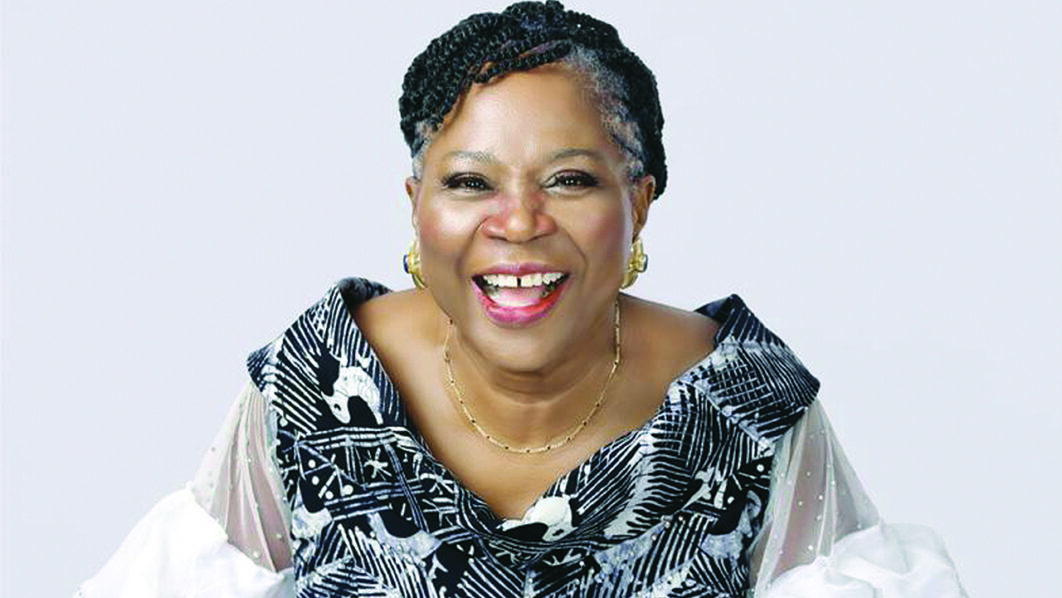
Born Onyeka Onwenu in Obosi, in Anambra State, Nigeria’s Elegant Stallion wove highlife and gospel into anthems. Her 1981 hit Iyogogo launched her into the scene, with 10 albums, including One Love and Ekwe resonating deeply.
Awarded with an MON, in 2011, she shone as an accomplished multifaceted personality as both musician, journalist, actress, broadcaster and activist. Onyeka Onwenu passed on July 30, 2024, after suffering a heart attack on stage, and is survived by her sons Abraham and Tijani.
Tosyn Bucknor (1981–2018)

Born Oluwatosin Bucknor in Lagos, Tosyn was Nigeria’s alternative pop spark, blending spoken word with soul. Her 2010 hit I’m Not signalled her rise, echoing through her radio waves.
Her vibrant voice, as a newspaper journalist with The Guardian, as well as a radio host, inspired the youth. Tosyn Bucknor passed away on November 19, 2018, from sickle cell complications. She is survived by her husband Aurélien Boyer.
Victor Uwaifo (1941–2021)
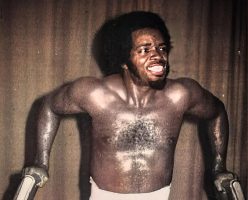
Born Victor Efosa Uwaifo, in Benin City, he was Nigeria’s highlife genius, renowned for his unique guitar style, Akpalakpala, which is lush with brilliant fingerpicking and chord progressions. His 1965 hit Joromi shines bright in modern Nigerian remixes including Burna Boy’s Killing Dem, as well as Simi, Jaywon and Zinoleesky’s song of the same title. Other iconic hits from Uwaifo include Guitar Boy, Mami Water, Kirikisi, among others.
In 1983, he was awarded with a Member of the Order of the Niger (MON). He died on August 28, 2021, after a brief illness, and is survived by his children.
Dan Maraya Jos (1946–2015)
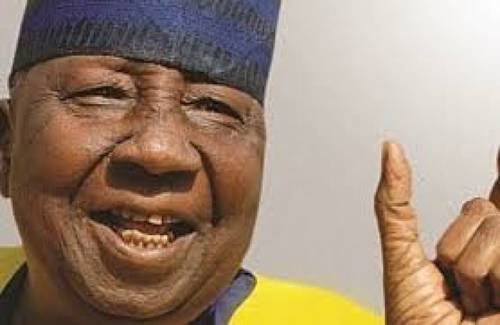
Dan Maraya Jos wove tales of life with his Kuntigi, a single-stringed lute, earning the title “The Bard of the North.” Born Adamu Wayya in Bukur, Plateau State, his moniker “Dan Maraya” (Little Orphan) reflected his humble roots. His music, a blend of praise, satire, and social commentary, resonated during the Nigerian Civil War, uplifting federal troops.
Hits like Wak’ar Karen Mota and Jawabin Aure showcased his lyrical depth, addressing love, politics, and morality. With a minimalist ensemble—Kuntigi and calabash percussion—his voice carried the soul of northern Nigeria. He died on June 20, 2015, leaving a legacy etched in Hausa folk traditions, inspiring modern acts to echo his storytelling.