
GDN SIDEBAR
يَا أَيُّهَا الَّذِينَ آمَنُوا كُتِبَ عَلَيْكُمُ الصِّيَامُ كَمَا كُتِبَ عَلَى الَّذِينَ مِن قَبْلِكُمْ لَعَلَّكُمْ تَتَّقُونَ
Ya ayyuhā alladhīna āmanū kutiba ʿalaykumu ṣ-ṣiyāmu kamā kutiba ʿalā alladhīna min qablikum laʿallakum tattaqūn.
“O you who believe, fasting has been prescribed for you as it was prescribed for those before you, so that you may become righteous.” — Qur’an, Surah Al-Baqarah 2:183
Ramadan 1447 AH begins today, February 18, 2026. This month is not only about abstaining from food and drink from dawn to sunset. It is a period of discipline, worship, reflection, and self-correction.
The days can feel long and demanding, especially with work, school, and family responsibilities. Without a clear plan, it is easy to drift into habits that defeat the purpose of the fast.
This guide focuses on practical steps that help ensure the month produces real spiritual growth rather than just hunger and fatigue.

Fast with intention, not routine

Fasting (sawm) is the foundation of Ramadan. It requires abstaining from food, drink and marital relations from dawn (Fajr) to sunset (Maghrib). But the discipline is incomplete if a person continues lying, gossiping, insulting others or wasting time.
Approach each day with intention. Wake up for suhoor, even if it is light. Break your fast calmly at sunset. Avoid turning iftar into an overeating session, it leaves you sluggish for prayers. The goal is self-control.
Also, don’t sleep throughout the day just to “pass time,” you are reducing the spiritual value of the fast. Ramadan is not meant to be a month of inactivity.
Protect your five daily prayers
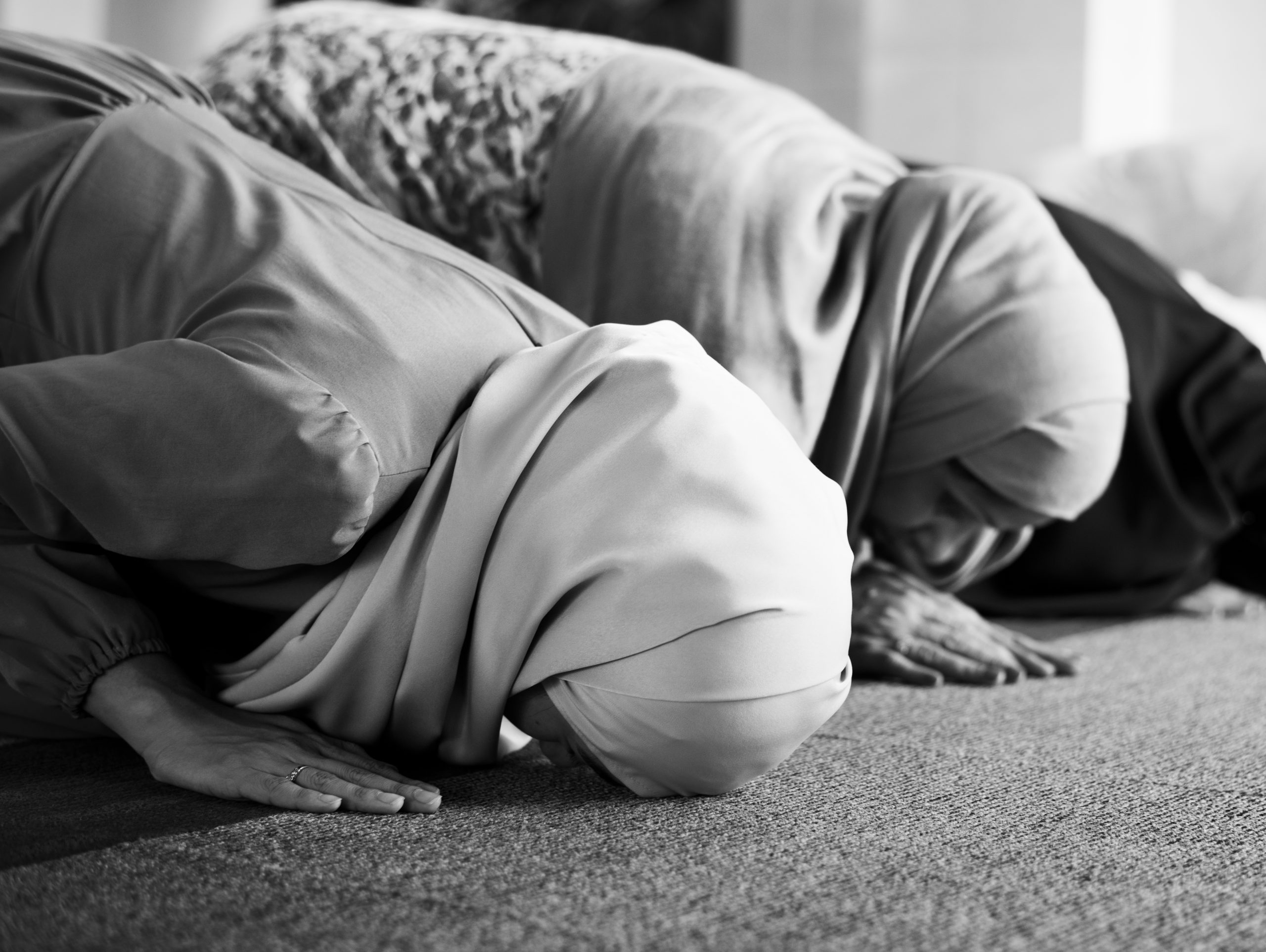
One of the biggest contradictions during Ramadan is fasting while neglecting the five daily prayers. Fasting does not replace salah. In fact, Ramadan is the month to strengthen your consistency in prayer.
Structure your day around Fajr, Dhuhr, Asr, Maghrib and Isha. If you are working, plan your breaks. If you are at home, avoid distractions that make you delay prayer. Praying on time builds discipline and keeps you spiritually alert throughout the day.
At night, make an effort to observe Tarawih. If you are able, attend the mosque. If not, pray at home. These extra prayers deepen your connection to the Qur’an and strengthen your consistency in worship.
Read and engage with the Qur’an

Ramadan is known as the month of the Qur’an. Many people aim to complete at least one full recitation. That is a good target, but quantity without understanding has limits.
Set a realistic daily portion. It could be one juz per day, or fewer pages if your schedule is tight. Read with attention. If you do not understand Arabic, use a translation and short commentary to reflect on meanings.
Avoid rushing just to tick a box. A smaller portion read with understanding and reflection has more impact than hurried recitation.
Increase dua, dhikr and seek Laylatul Qadr
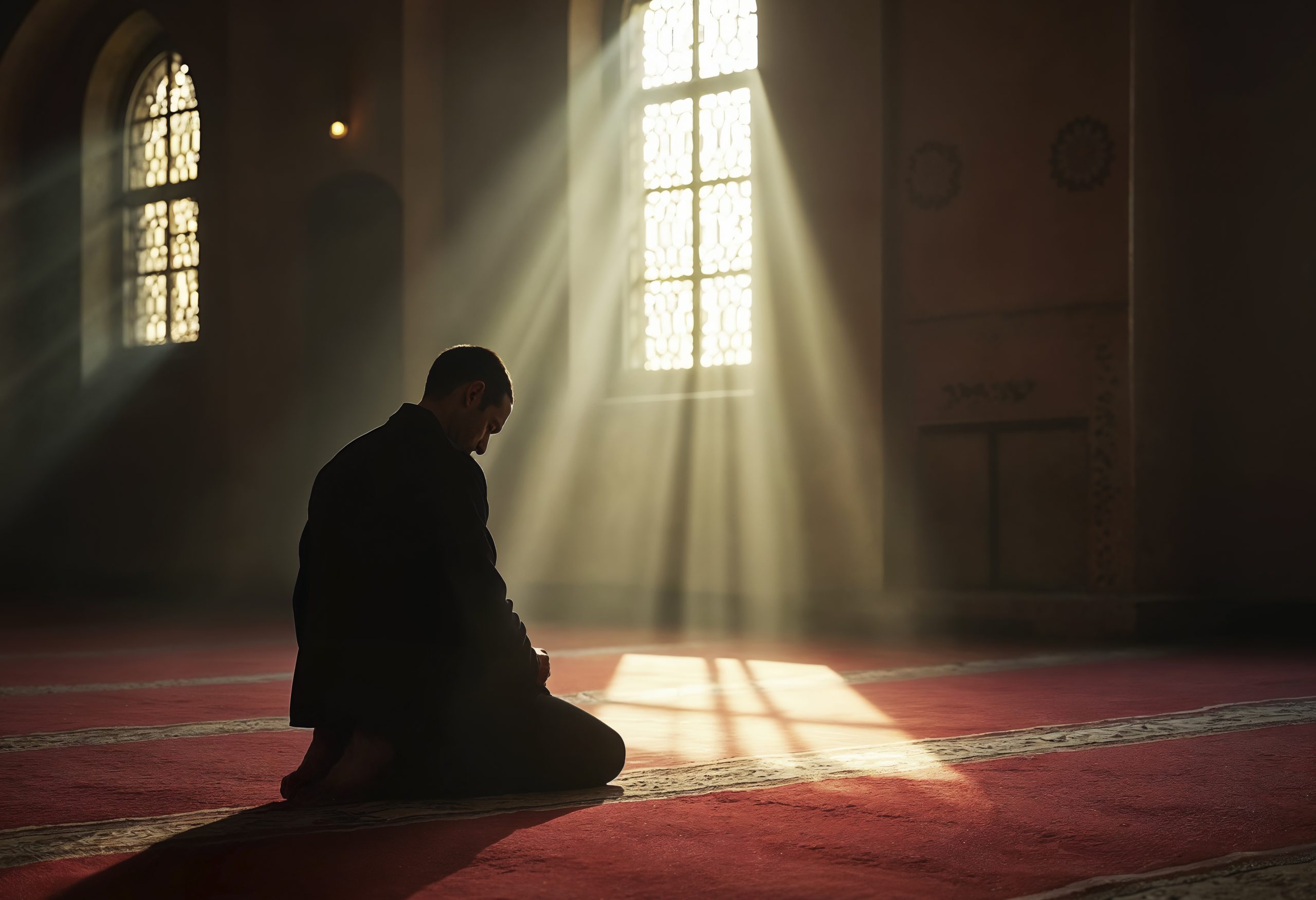
Ramadan is an opportunity to increase supplication (dua) and remembrance (dhikr). The moments before iftar are especially valuable. Use that time intentionally instead of scrolling on your phone while waiting for the call to prayer.
In the last ten nights, intensify worship. Many Muslims seek Laylatul Qadr, the Night of Decree, believed to be better than a thousand months.
For those able to, i‘tikaf — secluding oneself in the mosque for focused worship is a powerful practice. It demands sacrifice and planning, but it removes distractions and sharpens spiritual focus.
Eat wisely and stay hydrated

Suhoor is not optional convenience; it supports endurance. Eat balanced meals that include complex carbohydrates, protein and fibre.
Drink enough water between iftar and suhoor. Hydration affects concentration, mood and energy levels. Overeating fried or heavy meals at iftar leads to laziness and missed night prayers. Moderation supports both physical strength and spiritual alertness.
Give sadaqah and feed others

Ramadan emphasises generosity. Give sadaqah regularly, even if the amount is small. Consistency matters more than display.
Feeding those who fast carries great reward. Contribute to iftar distributions at mosques or within your community. If someone cannot fast due to illness or other valid reasons, they can feed a needy person as compensation where applicable.
Generosity should not be performative. Avoid publicising every act of charity. The purpose is to purify wealth and reduce attachment to material things.
Reflect and improve your character

Ramadan is not only ritual worship. It is a month to correct behaviour. Anger, arrogance, envy and dishonesty should be addressed directly. If your character does not improve, your fast needs evaluation.
Use the month to assess your habits. Identify one or two traits to actively work on. Apologise where necessary. Repair strained relationships. Control your tongue. These changes are harder than skipping meals, yet they define the success of the fast.
Strengthen family bonds
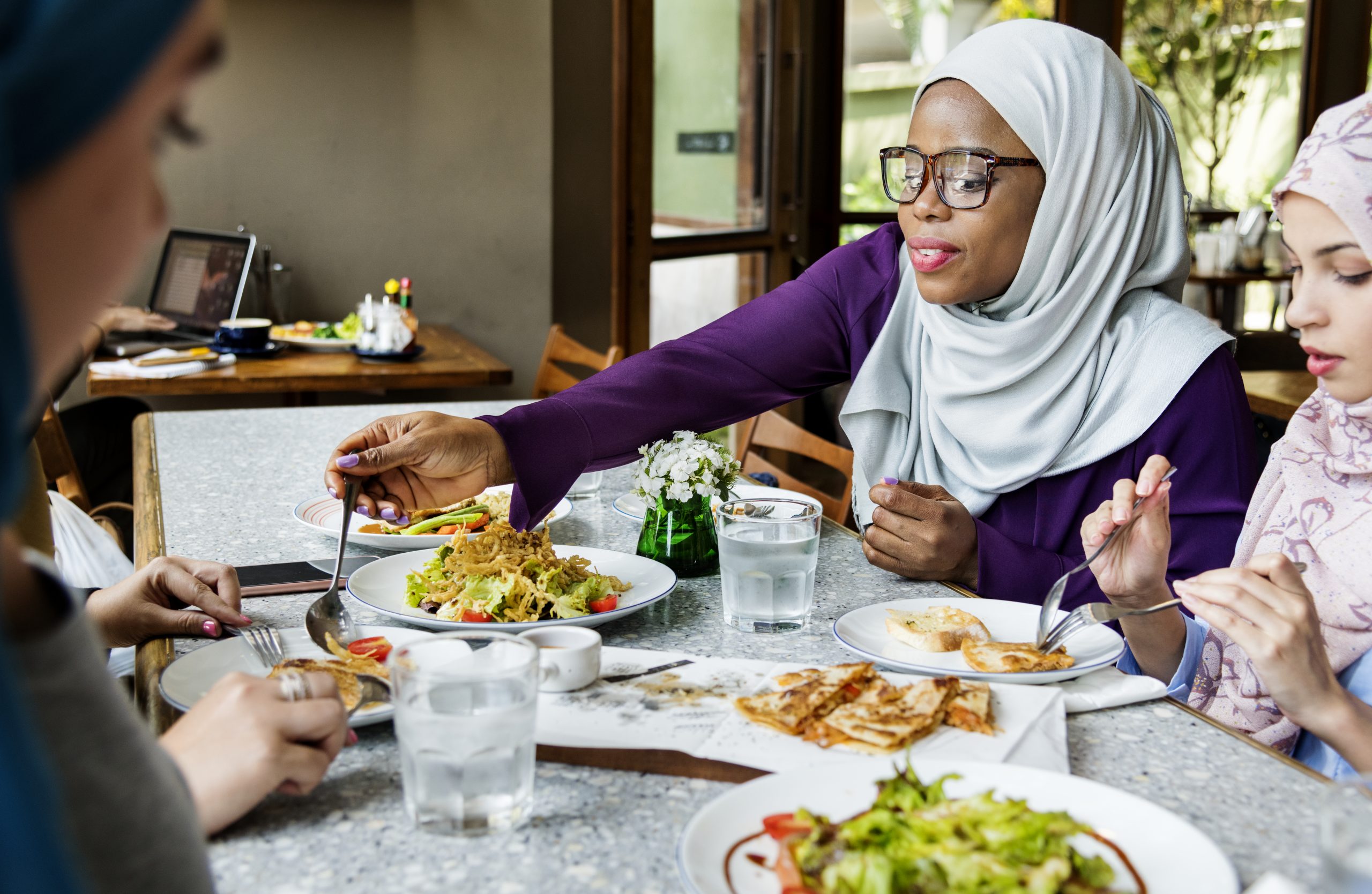
Shared suhoor and iftar meals create opportunities for connection. Pray together at home when possible. Read Qur’an as a family. Discuss lessons from sermons or lectures.
Parents should use Ramadan to teach children discipline and empathy. Couples should avoid turning the month into a period of tension over food or fatigue. The atmosphere at home influences the quality of worship.
Ramadan is structured training. The hunger and thirst are tools, not the objective. Discipline in prayer, focus in recitation, control over desires, generosity to others and improved character are the measurable outcomes.
Approach each day with intention and accountability. That is how Ramadan leaves a lasting mark beyond its final day.