GDN SIDEBAR
NEED TO KNOW
- Uche Jombo has spent more than 25 years shaping Nollywood as an actress, screenwriter, producer and director.
- She made her acting debut in Visa to Hell in 1999 and has since appeared in more than 250 films, becoming one of the industry’s most recognisable faces.
- In 2008, she launched Uche Jombo Studios, expanding into film production and later making her directing debut in 2015.
- She has written and produced several acclaimed films, including Games Men Play, Lies Men Tell, Holding Hope and Damage, the latter tackling the issue of domestic violence.
- Her recent credits include Netflix’s Blood Sisters 2 and the cinema release On Different Grounds, reinforcing her staying power across multiple generations of Nollywood audiences.

Most people know Uche Jombo as one of Nollywood’s most familiar faces. They know the films, the characters, the long career and the place she occupies in an industry she helped build.
But behind the screen is a woman who has spent the last decade doing quieter work. She has been investing, producing, and mentoring young filmmakers through Uche Jombo Studios and learning what it takes to build a career that can survive beyond fame.
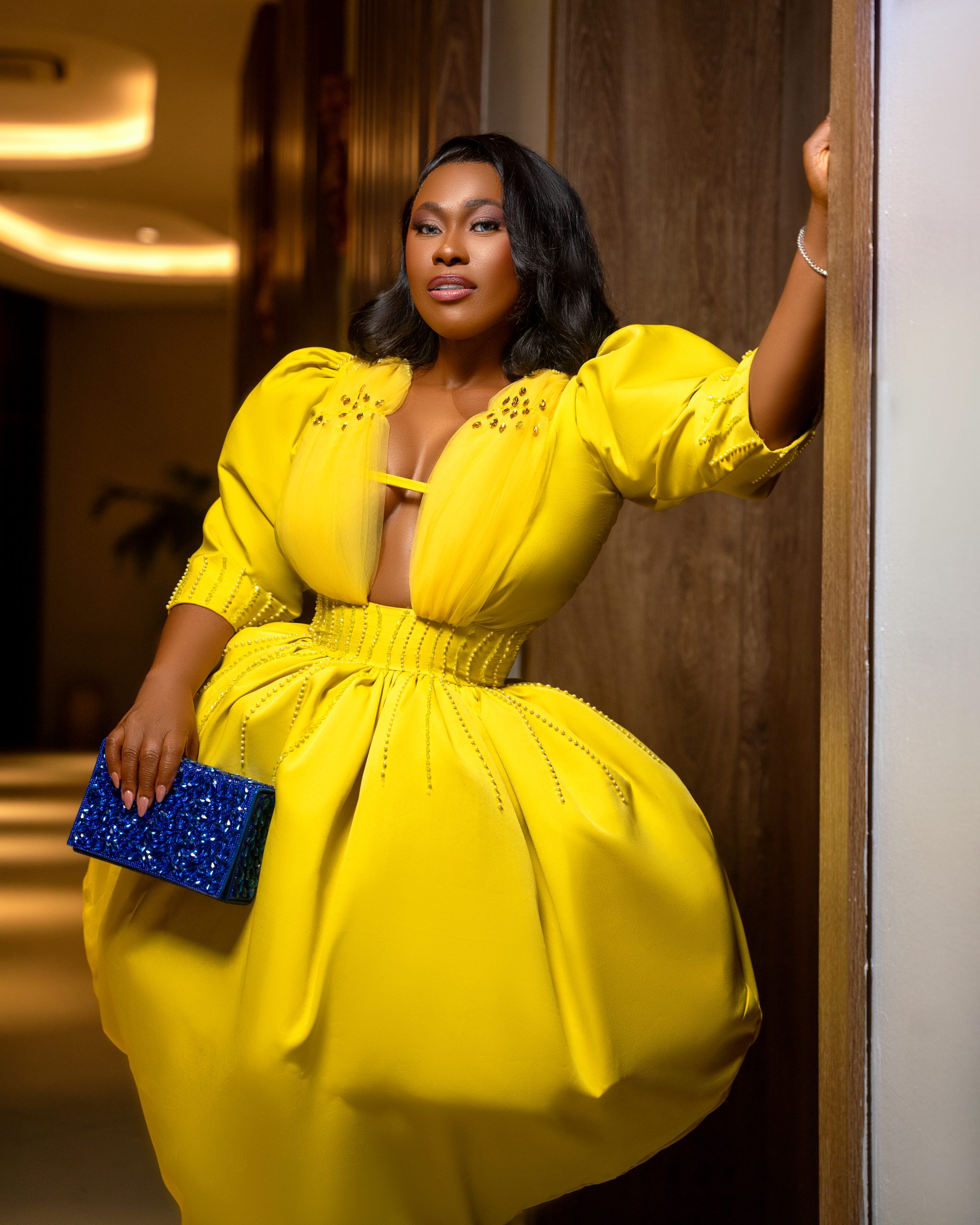
Now, with Blood Sisters and On Different Grounds, the conversation around her has become louder again. Some call it a comeback. For Jombo, that word misses the point. She insists she never left, and the projects are there as proof.
Her story is not just about returning to the spotlight. It is about longevity, intention and the discipline of staying present even when the industry is looking elsewhere.
Speaking exclusively with Guardian Life, Uche Jombo reflects on the comeback narrative she rejects, the cost of building an industry, what fame revealed about herself, why veterans deserve more than applause, and the legacy she hopes will outlive every role she has played.

People call this a “comeback,” but you never stopped working. What do you think people missed about your journey, and why do you think the industry is paying attention again now?
For one, the word “comeback” always makes me smile a little, because it implies I went somewhere. As I have previously said and you rightly framed, I never left nor stopped working. There are projects that are proof.
What people missed, I think, is that I spent a significant part of the last decade doing something that doesn’t always make the headlines: building. I was investing in projects, learning the business side of this industry properly, understanding what sustainable creative work actually looks like, and mentoring via my Uche Jombo Studios, the next generation of Nollywood storytellers.
The current attention associated with my partnership with Guguru Talents Management, Blood Sisters, and On Different Grounds isn’t really about rediscovery. I think it’s about the fact that my work speaks differently when you’re operating from a place of intention rather than survival. And, like a radiant sun, such work is impossible to miss or ignore.
Have you ever felt that Nollywood takes its veterans for granted until they become impossible to ignore?
Honestly? Yes. And I say that without bitterness, because I think it’s less about malice and more about how the industry is structured. Nollywood has always been driven by novelty – the next face, the next story, and the next trend. This isn’t an indictment of the industry structure but a contextual analysis. This pattern has transported the industry to its current junction. But, as years of deep observation have shown, that isn’t necessarily a sustainable industry practice.
Nollywood veterans don’t fit neatly into that constantly-moving-Nollywood cycle unless they keep reinventing themselves loudly enough to be seen. The industry rewards visibility above almost everything else. But I’ve learned not to let that determine my sense of worth. It’s important to say that the pioneering filmmakers who built this industry with their bare hands deserve more than occasional recognition when it becomes convenient.
What the AMVCA does, in giving flowers to veterans while they’re alive, is a brilliant and commendable initiative. It needs to be followed up with sustainable financial support so that these veterans can survive after exiting the stage.
After all these years, what is the biggest lesson fame has taught you that success never could?
Fame teaches you who you are when nobody is watching. Success, especially early success, is intoxicating: it tells you that you matter, that you’re on the right path. But fame strips that away after a while. It shows you the gap between the person people project onto you and the person you actually have to go home to at night.
For me, one of the biggest lessons is learning to curate and carve out an identity that lives outside other people’s perception of you. I had to build a sense of self that didn’t need validation from an audience to stay intact. That’s not something any amount of professional achievement could have taught me.
What is one thing about today’s Nollywood that genuinely worries you?
The pace. I worry that we are producing so much content so quickly that we’re not leaving room for the work to breathe or for the people making it to breathe. There’s enormous pressure on filmmakers and actors to be constantly visible, constantly releasing, and constantly trending, and what gets lost in that is craft. Depth. The kind of storytelling that stays with you.
Some of the films that defined Nollywood for audiences across Africa and the diaspora were made slowly and deliberately. I worry that in chasing volume, we’re trading away the thing that made people fall in love with us in the first place.
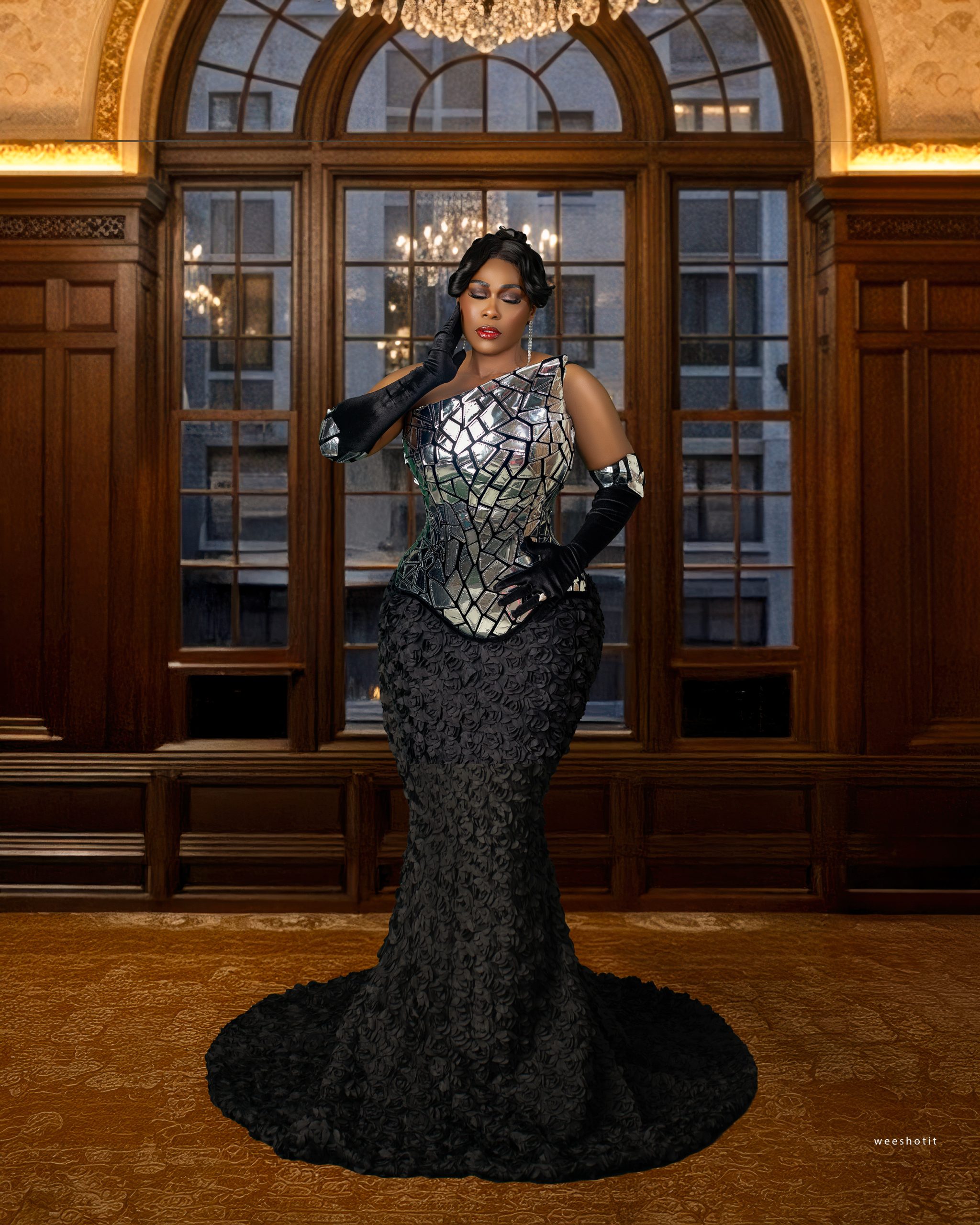
There have been conversations about Nollywood veterans not receiving royalties for classic films made in the early days. If you could change that, what would you advise Nollywood veterans to do differently to avoid the same issues recurring?
The first thing I’d say is to understand your contracts before you sign them. I know that sounds simple, but in the early days of Nollywood, so many of us were just grateful for the opportunity. We weren’t asking questions about ownership, licensing, or what happened to the rights after a film was sold. That naivety cost a generation of performers enormously.
The work we did built an industry worth billions today, and too many of the people who built it have seen nothing from that value creation.
Going forward, the advice is to get proper legal representation not just any lawyer, but someone who understands entertainment law specifically. Collective advocacy matters too. The veterans need to be organised, not just individually vocal. There’s also a responsibility on the newer generation to not repeat the same mistakes to normalise conversations about intellectual property, residuals, and fair compensation before they become grievances. The industry is more professionalised now than it was. Use that. Push for structures that protect you, because no one else will do it for you.
When people look back on your career, what do you hope they remember beyond the films?
I hope they remember that I was consistent. I showed up even when the industry wasn’t looking; I was still in the room, still creating, still fighting for stories that reflected something true about who we are as people.
I also hope they remember me as someone who used whatever platform I had to ask harder questions about how this industry treats the people inside it, especially the women.
Beyond the roles and the box office numbers, I want the legacy to be that I took this work seriously and that it mattered.