 Follow Us on Google News


 Follow Us on Google Discover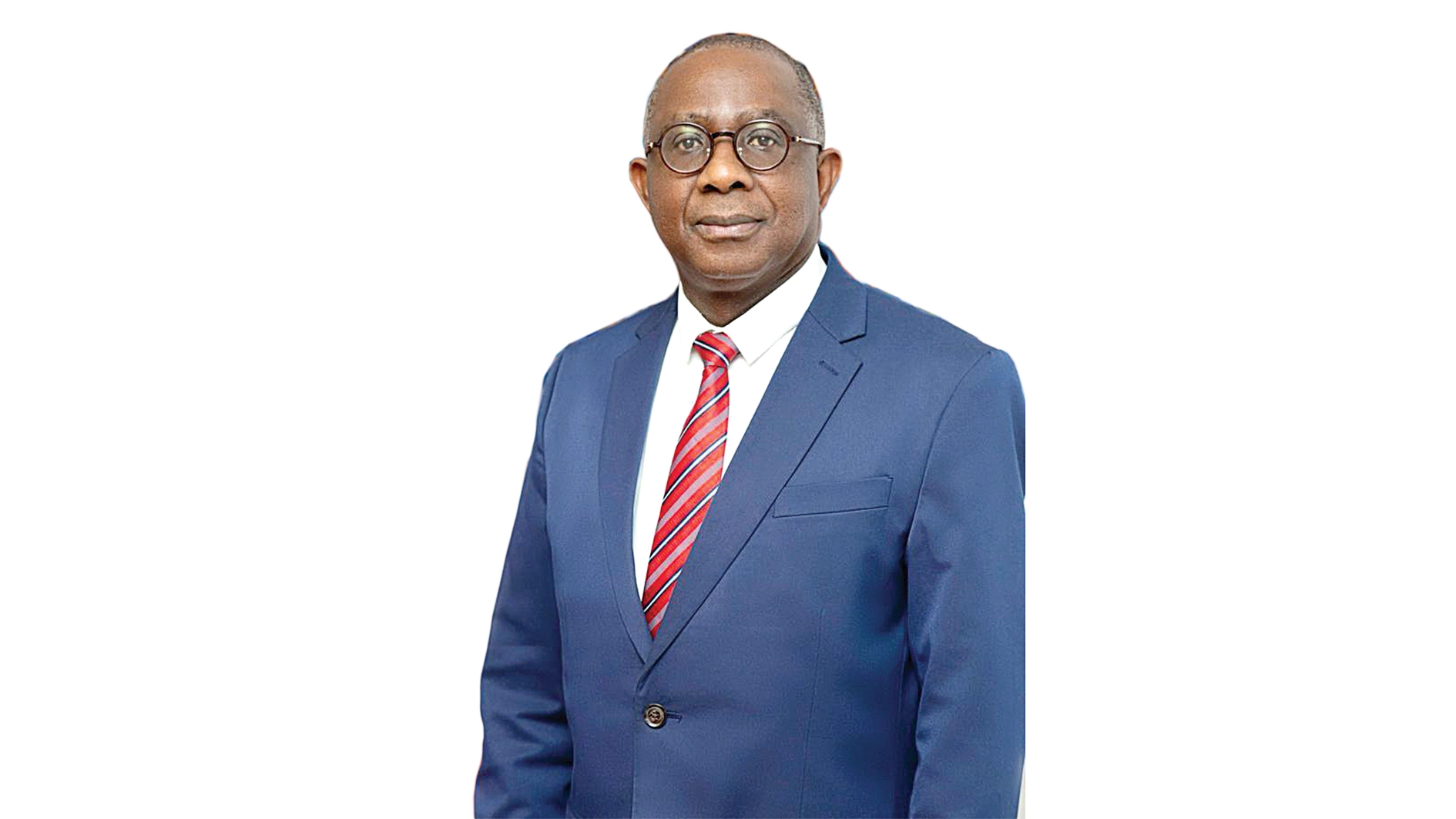
A major shift in Nigeria’s rural development strategy is set to take shape as the Southwest Development Commission prepares to roll out an ₦80 billion initiative designed to restructure rural economies across the region through integrated, cluster-based growth.
Rather than focusing on isolated interventions, the programme introduces a model that groups neighbouring communities into unified economic hubs, positioning them to function as self-sustaining centres of productivity and investment.
The unveiling is scheduled to take place in Ibadan between May 5 and May 6, where policymakers, development finance institutions, and private sector stakeholders will converge to shape the implementation framework.
At the heart of the initiative is the Transformed Communities Programme (TransComs), a framework designed to connect rural populations to broader economic systems by strengthening infrastructure, expanding access to finance, and enhancing value chains.
The launch event, to be held at the International Institute of Tropical Agriculture, represents a critical coordination point where funding models, execution strategies, and operational structures will be aligned among key stakeholders.
The Commission explained that the programme is structured to impact 137 communities across the six states in the Southwest, with a clear emphasis on improving livelihoods and stimulating employment.

By integrating clusters of three to five villages—each with populations typically ranging from 2,000 to 8,000—the model seeks to transition rural settlements from fragmented economies into coordinated production zones.
Within each cluster, economic activities will be driven across seven core sectors: agriculture, agro-processing, energy, digital connectivity, healthcare, microfinance, and social protection.
This multi-sector approach is intended to reduce inefficiencies, improve productivity, and create an enabling environment for long-term private investment.
The initiative is being implemented in collaboration with the Foundation for Technology Innovation and Sustainable Development, under the leadership of development economist Oyebanji Oyebanji Oyelaran-Oyeyinka
Early-stage deployment has already begun, with Fapote and Ibapara selected as pilot communities, while further expansion plans—including a joint framework for Ogbomoso—are expected to be finalised at the conclusion of the summit.
Discussions during the two-day event will move from broad policy engagement to concrete commitments. The first day will centre on plenary sessions, sector-specific dialogues, and a commitment forum, while the second day will focus on formalising partnerships, agreements, and investment expressions from participating stakeholders.
Positioning the initiative within a broader economic context, the Commission emphasised that TransComs is designed to tackle structural limitations that have historically constrained rural development. These include inadequate storage systems, unreliable power supply, limited processing capacity, restricted access to healthcare, and weak financial inclusion frameworks.
Speaking ahead of the summit, the SWDC Chairman, Senator Olubunmi Adetunmbi, described the initiative as a significant step toward unlocking rural economic potential.
“TransComs is the most serious attempt in a generation to organise the productive potential of Southwest Nigeria’s rural communities into a coherent economic programme. The partners in this room will not be witnesses to a launch—they will be the architects of it,” he said.
“The programme is designed to address long-standing structural challenges in rural economies, particularly the lack of critical infrastructure needed to scale agricultural productivity. These include storage facilities, reliable electricity, processing capacity, healthcare services, and access to finance,” he added
As momentum builds toward the official unveiling, the initiative is increasingly being viewed as a defining moment in regional policy—one that could reshape how rural economies are structured, financed, and sustained across Southwest Nigeria.

