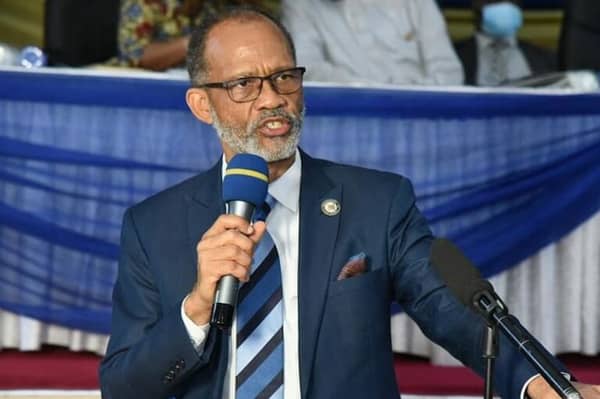
A 2025 data from Lagos State Ministry of Health has shown that an estimated six million residents of the state are living with hypertension, with the majority unaware of their condition, says the Commissioner for Health, Professor Akin Abayomi.
Abayomi disclosed this on Tuesday during a leadership dialogue organised by the Lagos State Primary Health Care Board in collaboration with development partners, including Nigeria Health Watch, aimed at strengthening the state’s primary healthcare system.
The dialogue brought together senior government officials, health administrators and local government leaders to review the state of primary healthcare delivery in Lagos and identify gaps requiring urgent attention.
Speaking on the burden of non-communicable diseases, the commissioner said Lagos was facing a growing public health challenge from hypertension, diabetes and obesity, which he described as “silent killers” responsible for a rising number of preventable complications in hospitals across the state.
According to him, 20 per cent of Lagosians are currently living with hypertension, translating to about six million people out of the state’s estimated population of 30 million.
He noted that the danger was compounded by the fact that most affected residents were unaware of their health status.
Abayomi said available data indicated that about 70 per cent of Lagosians with hypertension did not know they were hypertensive, amounting to roughly 4.2 million people living with the condition without diagnosis or treatment.
He explained that this lack of awareness was a major reason hypertension continued to cause severe health outcomes such as heart failure, kidney failure and stroke.
The commissioner stressed that hypertension and diabetes often progress without obvious symptoms until significant damage has occurred, making routine screening and early detection critical.
He said many of the complications overwhelming secondary and tertiary hospitals could be prevented if residents accessed regular primary healthcare checks.
According to him, simple interventions such as routine blood pressure measurement, blood sugar testing, weight monitoring, and lifestyle counselling could significantly reduce the burden of these diseases if delivered effectively through functional primary healthcare centres (PHCs).
Abayomi linked the hypertension challenge to broader weaknesses in the primary healthcare system, noting that many Lagosians bypass PHCs and seek care directly from private hospitals or informal providers, such as patent medicine vendors and community pharmacies.
He said this pattern undermined early detection and continuity of care, particularly for chronic conditions requiring long-term monitoring and follow-up.
Beyond non-communicable diseases, the commissioner also highlighted the scale of child malnutrition in the state, calling it one of the most alarming health indicators.
He said current data showed that four out of every 10 children in Lagos were suffering from some form of malnutrition, underscoring the urgent need for stronger preventive and nutritional interventions at the community level.
He described malnutrition as a key contributor to poor child health outcomes, weakened immunity and increased vulnerability to disease.
The leadership dialogue, organised by the Lagos State Primary Health Care Board with support from partners such as Nigeria Health Watch, focused on aligning policy, financing and service delivery at the grassroots.
Participants discussed the need for stronger collaboration between state agencies, local governments and community structures to ensure that PHCs are adequately equipped to deliver preventive, promotive and basic curative services.