 Follow Us on Google News
 Follow Us on Google Discover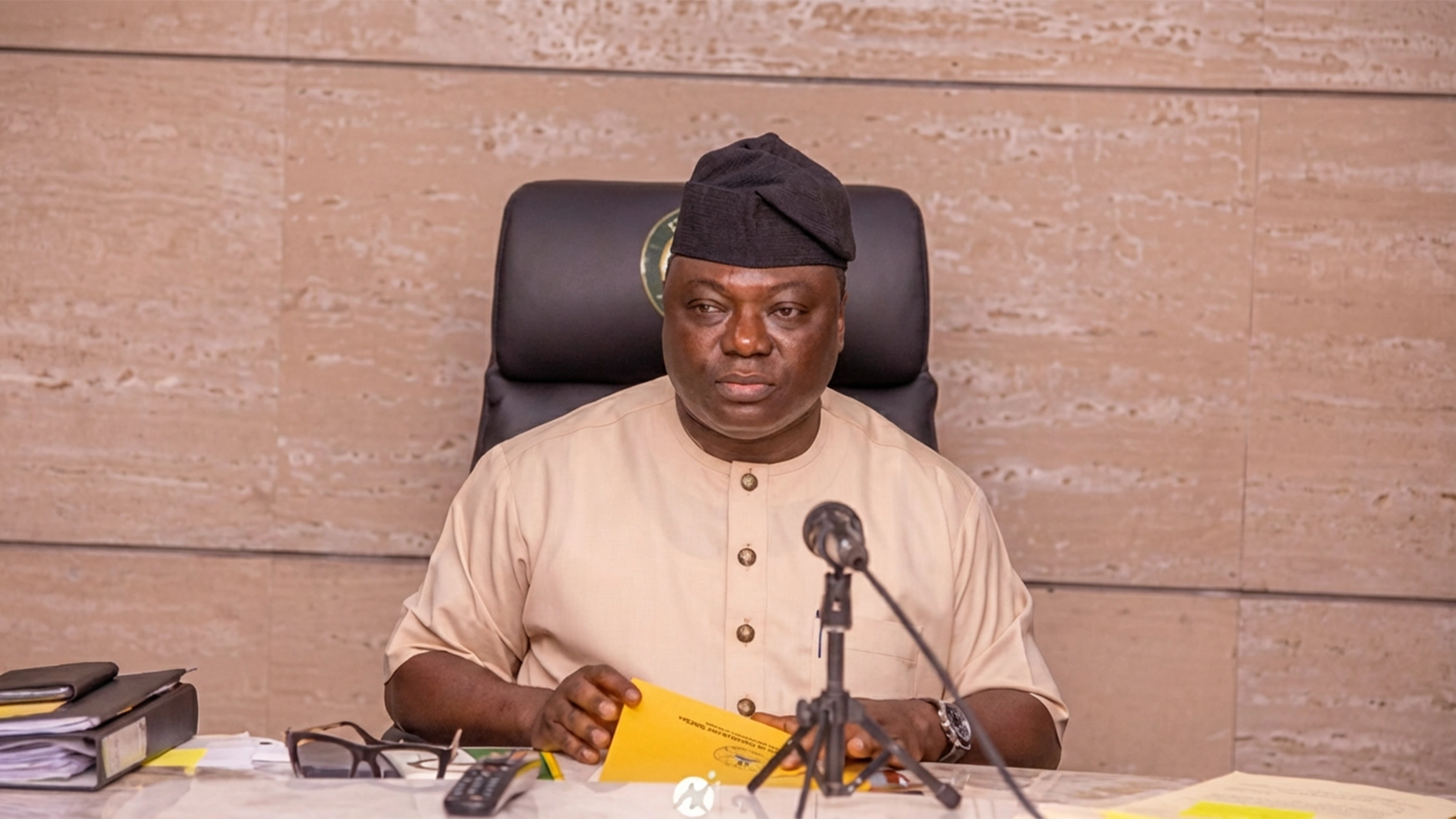
In what observers describe as a significant moral intervention ahead of the 2027 general elections, the Catholic Diocese of Jalingo has launched a strategic initiative aimed at tackling election irregularities and promoting credible democratic processes in Taraba State.
The move was formally unveiled during the Diocese’s 22nd Biennial General Assembly in Jalingo, where Church leaders voiced deep concern over persistent flaws in Nigeria’s electoral system — from pre-election manipulation to post-election disputes.
A Call for Church–State Collaboration
Addressing the gathering on the theme “Church-State Partnership for Credible Election in Taraba,” the Bishop of Jalingo Diocese, Charles M. Hammawa, stressed the urgent need for cooperation between religious institutions and government agencies to safeguard democracy.
While acknowledging the constitutional separation of Church and State, Hammawa argued that both institutions share responsibility for fostering peaceful coexistence and sustainable development.
“Elections that produce governments are, sadly, more often questionable, contentious, and flawed than free and fair in our experience in Nigeria,” the Bishop stated. “This partnership is about ensuring that processes before, during, and after elections in Taraba are credible, fair, and just.”

He clarified that the initiative does not involve endorsing political parties or candidates. Instead, it focuses on civic education, voter enlightenment, and institutional accountability in line with Catholic Social Teaching.
“The Church is not involved in partisan politics,” he said, “but she has a critical mission of educating and mobilizing her faithful and all citizens on their political rights, duties, and responsibilities.”
In a keynote paper, the Vicar General of the Roman Catholic Archdiocese of Jos, Cletus T. Gotan, described vote-buying as “a betrayal of dignity and the future.”
He called for intensified grassroots voter education and urged the Church to remain non-partisan but not morally silent.
“The Church does not endorse candidates,” Gotan said, “but she must boldly preach integrity, justice, and accountability.”
He advocated structured dialogue between the Church, electoral bodies, security agencies, and civil society organizations to ensure peaceful elections without compromising the Church’s prophetic independence.
Gotan further emphasized the importance of inter-religious harmony in Taraba’s diverse society, warning against attempts to weaponize ethnicity or religion during elections. He urged young people to resist being used as tools for violence or political manipulation.
Broad Support for the Initiative
The assembly attracted prominent stakeholders, including former Taraba State Governor Jolly Nyame, the Kuru Kona HRH Augustine Vankani, and representatives of the Independent National Electoral Commission (INEC).
Participants commended the Diocese for taking proactive steps ahead of 2027, expressing confidence that the initiative would strengthen democratic culture in the state.
Governor Agbu Kefas, represented by Secretary to the State Government Chief Gibon Kataps, also praised the Church’s vision.
Kefas pledged the state government’s commitment to supporting free, fair, credible, and transparent elections that reflect the will of the people.
Beyond the immediate electoral cycle, the Catholic Diocese insists the initiative is about building a long-term culture of accountability, justice, and good governance in Taraba State.
As political activities gradually intensify ahead of 2027, the Church’s intervention signals a growing demand from faith-based institutions for reforms that will restore public confidence in Nigeria’s democratic processes.

