 Follow Us on Google News


 Follow Us on Google Discover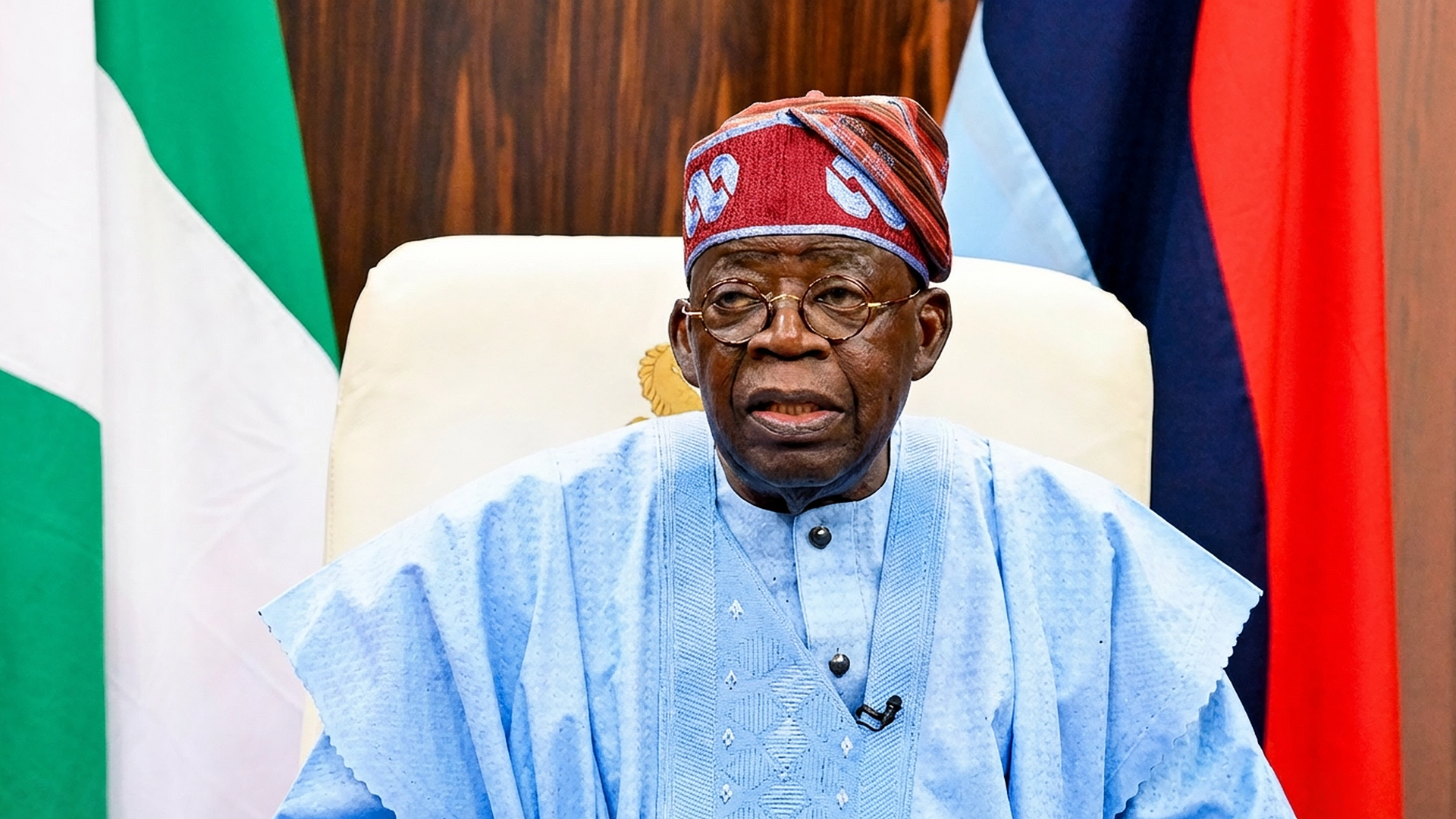
The Grassroots Mobilisation Initiative (GMI) has reaffirmed its support for the administration of Bola Ahmed Tinubu, citing ongoing economic reforms and decisive leadership as reasons for its alignment with the Federal Government ahead of the 2027 general elections.
The group said its objective is to reawaken civic responsibility and encourage citizens to actively shape Nigeria’s democratic future rather than remain passive observers.
National Coordinator of GMI, Sama’ila Musa, disclosed this in an exclusive interview, highlighting the organisation’s grassroots political engagement and preparations ahead of the 2027 elections.
Musa said, “I believe the administration is making significant progress, especially in economic management. Recent reports showed that Nigeria’s non-oil revenue crossed over ₦3 trillion in a single month last year, a remarkable development for an economy traditionally dependent on oil. This indicates deliberate efforts to diversify revenue sources. Additionally, foreign reserves have risen to about $40–45 billion, reflecting improving economic stability.”
He acknowledged that while many Nigerians expect immediate personal financial relief, sustainable reforms require time. “Leadership must focus on long-term national stability rather than short-term gains. In my view, the country is gradually being placed on the path of growth and development,” he said.
Musa further expressed support for President Tinubu’s early decision to remove the fuel subsidy, describing it as a bold move that previous administrations had avoided despite its economic implications. He said the administration’s economic reforms are gradually yielding results, with improved non-oil revenue generation and rising foreign reserves as clear indicators of stabilisation.

Responding to allegations that subsidy savings were being used for political inducements, Musa dismissed the claims as unsubstantiated, noting that no verifiable evidence had been presented.
On preparations for 2027, he revealed that GMI has intensified grassroots mobilisation through community engagements, local media platforms, and nationwide networks to sensitise citizens on government policies and encourage democratic participation.
He also expressed concern over declining voter turnout, particularly among youths, urging Nigerians to move beyond online political discussions and actively participate in elections.
“Years of disappointment have created deep mistrust among citizens, especially youths. However, disengagement cannot solve national problems. Many Nigerians express strong opinions online but fail to participate actively during elections. For instance, voter turnout in recent elections, even within the Federal Capital Territory, remained significantly low despite widespread political discussions,” Musa said.

