 Follow Us on Google News


 Follow Us on Google Discover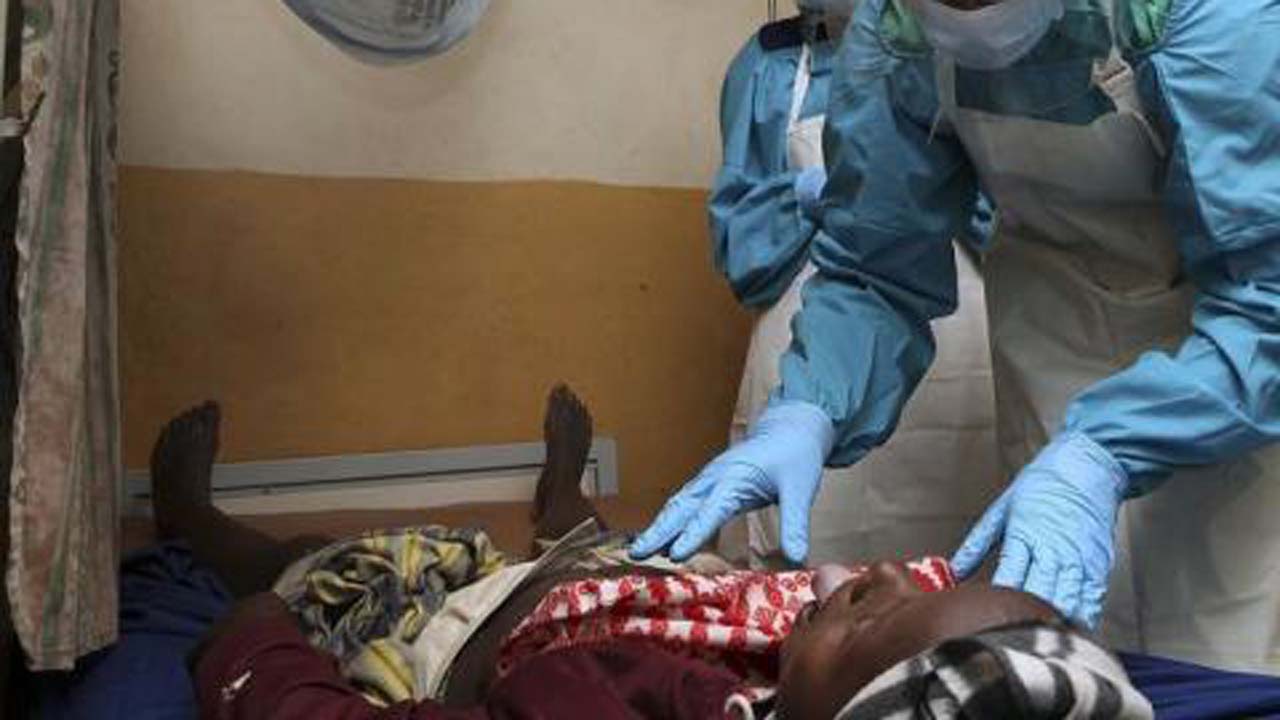
 NCDC advocates collaborative action on health emergencies
About 22 deaths and 143 confirmed cases of Lassa fever were recorded out of 484 suspected cases across seven states and 32 local councils from December 30, 2024, to January 12, 2025.
[ad]
Consequently, the Nigeria Centre for Disease Control and Prevention (NCDC) emphasised the vital role of risk communication and community engagement in tackling Nigeria’s public health challenges.
According to the Lassa fever situation report obtained from the Nigerian Centre for Disease Control and Prevention (NCDC), six deaths occurred in Ondo, five in Edo, two in Bauchi, six in Taraba, two in Ebonyi and one in Gombe.
This represents a Case Fatality Rate (CFR) of 15.4 per cent.
Already, NCDC has activated the National Lassa Fever multi-partner, multi-sectoral Incident Management System to coordinate response activities at all levels.
It noted that the predominant age group affected is 21 to 30 years, with a male-to-female ratio of 1:0.7 among confirmed cases.
The report reads, “In week two, the number of new confirmed cases increased from 54 in epidemiological week one of 2025 to 89, reported in Ondo, Edo, Taraba, Bauchi, Gombe, Kogi, and Ebonyi States.
“Cumulatively in week two of 2025, 22 deaths have been reported with a CFR of 15.4 per cent, which is lower than the CFR for the same period in 2024 (16.4 per cent). Seven states have recorded at least one confirmed case across 32 local councils this year.”
The report revealed that the number of suspected cases decreased compared to the same period in 2024, while one new healthcare worker was affected in the second reporting week.
Lassa fever is an acute viral haemorrhagic illness caused by the Lassa virus and can be contracted through exposure to food or household items contaminated by the urine or faeces of infected Mastomys rats.
HEAD of Disease Prevention and Control at NCDC, Dr Tochi Okwor, stated this, yesterday, during the reopening meeting of the National Risk Communication Technical Working Group (NRCTWG) in Abuja.
Okwor highlighted the urgency of proactive measures to protect Nigeria from current and emerging health threats.
She recognised the foundational work of the first risk communication lead at NCDC, whose leadership facilitated the establishment of the NRCTWG in June 2018.
“This multi-sectoral platform has since played a pivotal role in coordinating responses to public health emergencies across various ministries, departments, agencies and partners,” she stated.
Okwor also raised the alarm about looming threats such as the re-emergence of Ebola, the Marburg virus, and the ongoing response to human metapneumovirus.
[ad]

