 Follow Us on Google News


 Follow Us on Google Discover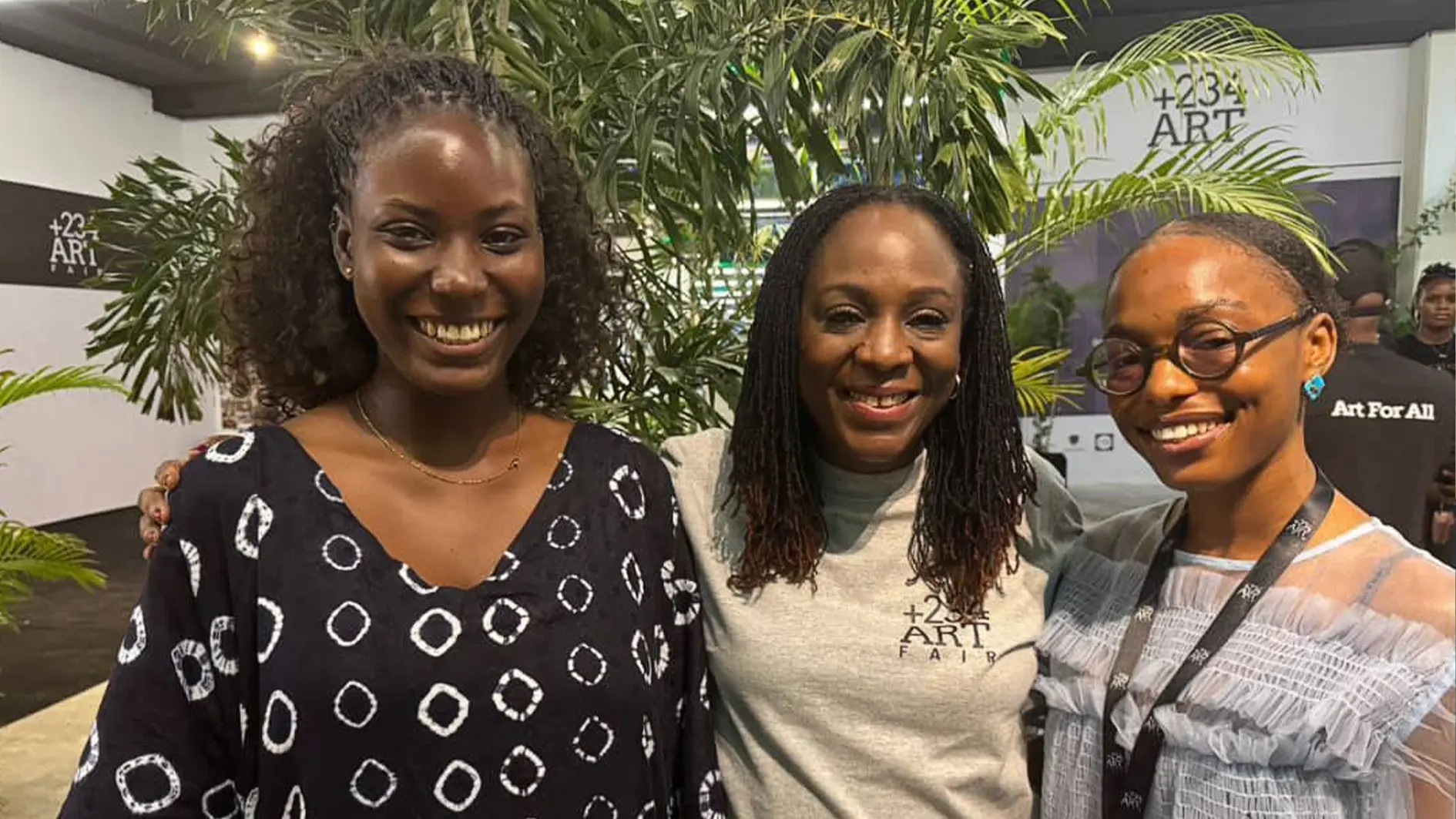
OVER 400 emerging artists from across Nigeria held Lagos and the world spell bound over a week, at the third edition of the +234 Art Fair which recently concluded.
With more than 1,000 artworks on display, across different art forms, the theme of this year, Inclusivity, was apt and reflected intentionally in not just the variety of artworks on display but in every facet of the show.
Armed with the goal to provide greater visibility for emerging talents from across the country, the fair attracted over 1,500 submissions this year, before being trimmed down.
Selected works cut across four main expressions: digital arts, 2D/Fine arts, sculpture and photography, marking a significant increase from previous editions that featured about 200 artists.
Speaking at the event, Director-General, National Gallery of Art (NGA), Ahmed Bashir Sodangi, stressed the need for stronger institutional structures and policies to enable Nigerian artists build sustainable careers beyond temporary recognition.
Delivering a keynote address on the theme, “Beyond the Moment: Building a Sustainable Career in Visual Art,” Sodangi said while exhibitions and viral recognition can propel artists into the spotlight, such moments often fail to translate into long-term professional growth without adequate institutional support.

According to him, sustainability in the art sector requires strong systems such as documentation, regulation, access to markets, professional standards and institutional backing.
General Manager, National Theater, Founder of +234 Art Fair and Soto Gallery, Tola Akerele, said the exhibition was created primarily to provide a platform for emerging artists who often lack opportunities to showcase their work and have people engage with them.
According to her, the theme of this year’s edition focuses on inclusivity, and to this end, they embarked on a nationwide search which stretched over a month and across 17 states, to discover talents in underserved communities.
“We know that many artists across Nigeria are extremely talented but do not always have platforms to showcase their work.
This fair is designed to bring their works to public attention and allow people engage with them,” she said.
Akerele divulged that the tour covered regions in the North, East and South-West and was properly documented in a film supported by The Osahon Okunbo Foundation.
She added that the fair also coincides with Women’s Month, drawing attention to the challenges faced by female artists who often drop out of the profession due to lack of support. She said their goal is to support more female artists as much as possible to bring in and retain more women in the sector.
Curatorial lead of the fair, Eyimofe Ideh, said the expanded outreach significantly increased participation and diversity among artists.
According to her, organisers realised that previous editions mostly attracted participants from states close to Lagos, prompting the decision to travel across the country to reach artists in distant regions.
“We travelled to 17 states across the north, south and east to ensure artists in far regions were aware of the fair and could participate,” she said.
Ideh noted that the artists expressed appreciation for the initiative, explaining that distance and logistics often discourage them from sending artworks to exhibitions in Lagos.
She added that organisers also provided sponsorship support to transport artworks from some states to the exhibition venue.
Ideh further said the fair offers art collectors an opportunity to acquire works at relatively affordable prices, with some pieces starting from N100,000.
“A lot of people look forward to the fair especially for people trying to get into the art space; this is a good platform to start buying art because the works are affordable,” she said.
Also speaking, Head of SME, Partnerships and Collaboration at Ecobank Nigeria, Omoboye Odun, said the bank’s support for the fair aligns with its commitment to promoting creative enterprises and small businesses across Africa.
According to her, the art sector forms part of the broader creative economy which has significant potential to contribute to economic growth.
“Platforms like +234 Art Fair provide the stage for visibility, inclusion and economic viability for emerging artists. It is about ensuring that the global stage sees what talented Nigerians can offer,” she said.
The fair’s project manager, Joanna Oyefeso, described the organisation of the exhibition as a complex but rewarding process, noting that coordinating curators, designers and other teams required extensive collaboration.
“We wanted inclusivity to be expressed in every area and we tried to infuse it in so many ways. Also, we wanted to show people how the journey to this stage came about and that was why we were very intentional about the documentary.”
Despite the challenges she said they encountered in the six months leading up to the fair proper, she expressed satisfaction with the outcome, stating that the fair had successfully brought together diverse artistic voices from across the country.
Fashion creative and photographer, Godwin Okoruwa, divulged that his participation at the fair happened by chance. “I had a shoot in January and posted it on my Instagram. One of the curators saw it and urged me to submit my work and I did. Three were selected from the 10 images I submitted,” he said.
Explaining further that he co-owns a fashion brand with his mum, he said the outfits the models wore in the picture he submitted are all handmade by his mum. “I styled the model and handled the direction and photography. The idea is to express the fluidity of the outfit and to showcase it in all its glory.
This is the first time participating at this fair and the reception has been great. I cannot wait for what the next edition has in store,” he said.

