 Follow Us on Google News


 Follow Us on Google Discover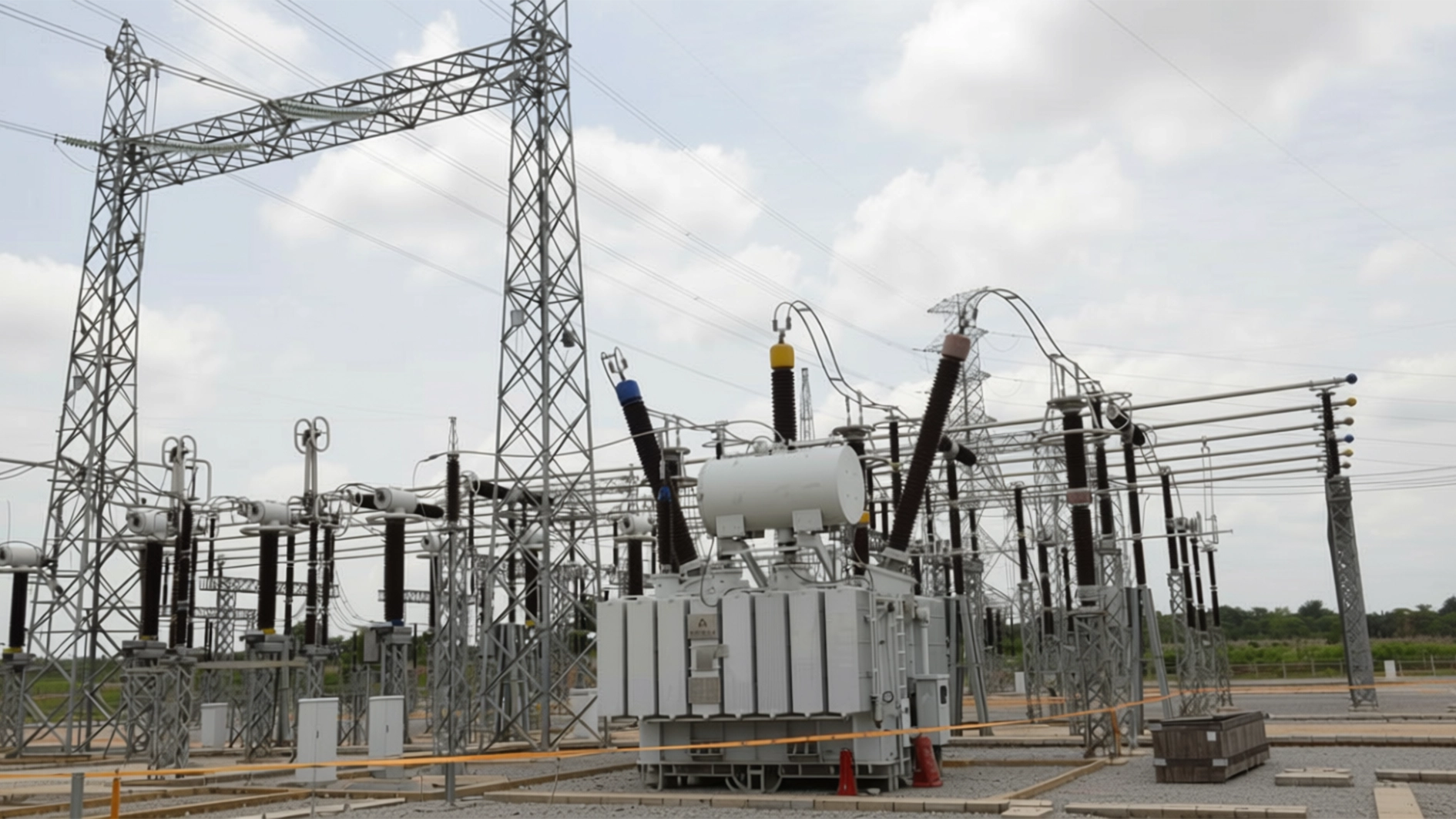
NNPC, NISO move to avert grid collapse
More than 4,500 megawatts (MW) of electricity generation capacity could be temporarily constrained in the coming days following a scheduled maintenance shutdown of a major gas supply facility.
The development could throw Nigeria into darkness, and, if poorly managed, could once again collapse the national grid.
The Nigerian Independent System Operator (NISO) has warned of anticipated gas supply constraints between February 12 and 15, 2026, following formal notification of routine maintenance on key upstream gas infrastructure.
While full gas supply is expected to resume on February 16, during the four-day window, several major thermal power plants that depend on the affected gas network may experience reduced fuel availability, leading to a drop in generation output.
Power stations directly impacted include Egbin Power Plc, the 461MW Azura-Edo Independent Power Plant, Sapele Power Plant and Transcorp Power. Collectively, these facilities account for an installed capacity of about 4,521MW. This is enough to significantly destabilise the grid if supply disruptions are not carefully managed.
Egbin Power Plc, often described as a flagship generation asset, has an installed capacity of 1,320MW. Transcorp Power operates a 966MW gas-fired plant, while Sapele Power has an installed capacity of 1,020MW. The Azura-Edo IPP contributes 461MW to the national grid. In addition, NDPHC-operated Sapele, Olorunsogo and Omotosho plants may face indirect constraints due to network-wide gas balancing effects. Omotosho alone has an installed capacity of 754MW, while Olorunsogo and other National Integrated Power Project (NIPP) facilities form a critical part of Nigeria’s thermal fleet.

The notice of maintenance directly relates to Seplat Energy Plc, a joint venture partner of the Nigerian National Petroleum Company Limited (NNPC Ltd) and a key supplier of gas into the NNPC Gas Infrastructure Company (NGIC) pipeline network.
NNPC’s Chief Corporate Communications Officer, Andy Odeh, in a statement, said the planned exercise forms part of standard industry safety and asset integrity protocols aimed at ensuring the continued reliability and safe operation of gas infrastructure.
To mitigate the risk, NNPC Gas Marketing Limited is engaging alternative gas suppliers to bridge potential shortfalls, while NNPC and Seplat have pledged to complete the maintenance safely and on schedule.
For its part, NISO said it would deploy real-time operational measures to safeguard grid stability and reliability throughout the maintenance period.
Any load shedding, if required, would be implemented in a structured and equitable manner in coordination with distribution companies, with priority given to critical national infrastructure, essential services and security installations, the organisation said.
Coming amid persistent structural fragility in Nigeria’s power sector, the Nigerian Electricity Regulatory Commission (NERC) had noted that grid-connected power plants had a combined installed capacity of 13,625MW as of January 2026. Yet average available capacity stood at just 4,901MW as plant availability factor stood merely at 36 per cent, while average hourly generation was 4,421MWh/h.
Nigeria heavily relies on gas or thermal plants, which means that any upstream disruption can have immediate downstream consequences for electricity supply.

