 Follow Us on Google News


 Follow Us on Google Discover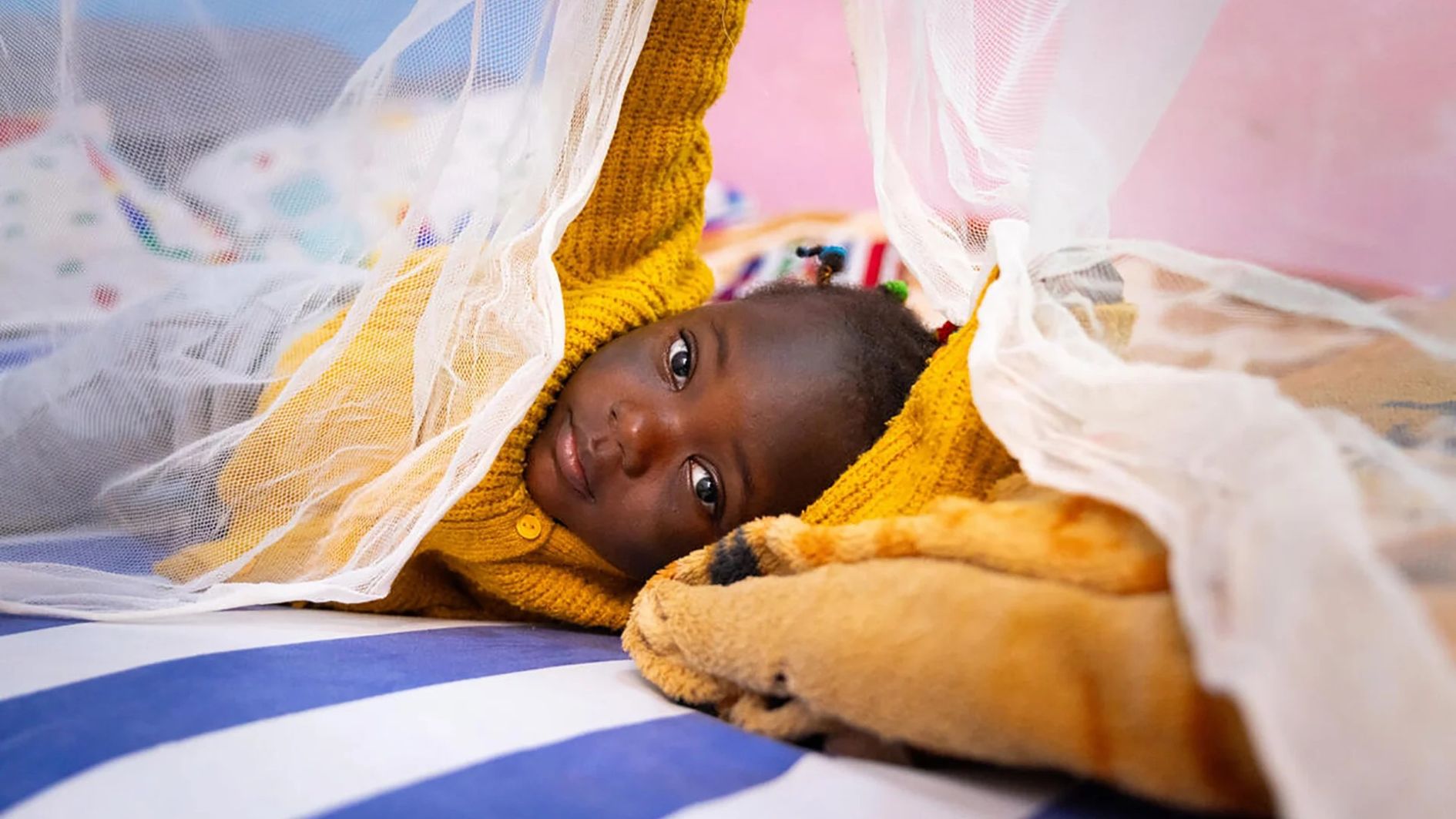
NMEP urges effective use of insecticide-treated net to reduce infant mortality
About 44.9 per cent of children in Nigeria sleep inside insecticide-treated net (ITN), while the 55 per cent others remain unprotected from mosquito bites that spread malaria, according to Nigeria Malaria Indicator Survey (NMIS) 2025.
Meanwhile, 97 per cent of Nigeria’s population is reportedly at risk of malaria, and young children, pregnant women and their unborn are the most vulnerable.
Consequently, the National Malaria Elimination Programme (NMEP) said the use of ITNs is one of the ways to prevent malaria, as it has been proven to significantly reduce child deaths.
Speaking during the church service and medical outreach at The Father’s Church, Jahi, ahead of the 2026 World Malaria Day in Abuja, National Coordinator of NMEP, Dr Nnenna Ogbulafor, told the congregation that it is not every fever that is malaria and urged them to get tested before treating malaria and avoid self-medication.
She appealed to pregnant women to register for antenatal care early to receive SP, which protects the mother and unborn baby from malaria, and to take it 3 or more times before delivery.
Ogbulafor urged anyone to get tested promptly and early for all fever cases to be sure it is malaria, ensure that their family members use only Artemisinin-based Combination Therapy (ACTs) as treatment for positive malaria cases, and complete the full course of the ACTs.

The Advocacy, Communication and Social Mobilisation Officer (ACSM), Mrs Hope Obokoh, observed that when malaria is not treated early or well, especially when those having malaria fail to complete treatment or take the wrong medicines, the gaps could lead to severe malaria, other illnesses, drug-resistance, coma or death.
“Insist on the use of ACT only. ACT is safe, affordable and effective. ACT is available in both private and public health facilities. ACT kills malaria parasite faster than any other anti-malarial medicine,” Obokoh said, noting that the world had made historic progress against malaria, stressing that Nigeria was making strong progress in malaria control.
She pointed out that malaria could be eliminated through good practices, such as quickly visiting a health facility when ill, “and if positive for malaria after testing, we are treated with ACT, and take the medicine according to the doctor’s directives, which includes completing the doses.”

