 Follow Us on Google News
 Follow Us on Google Discover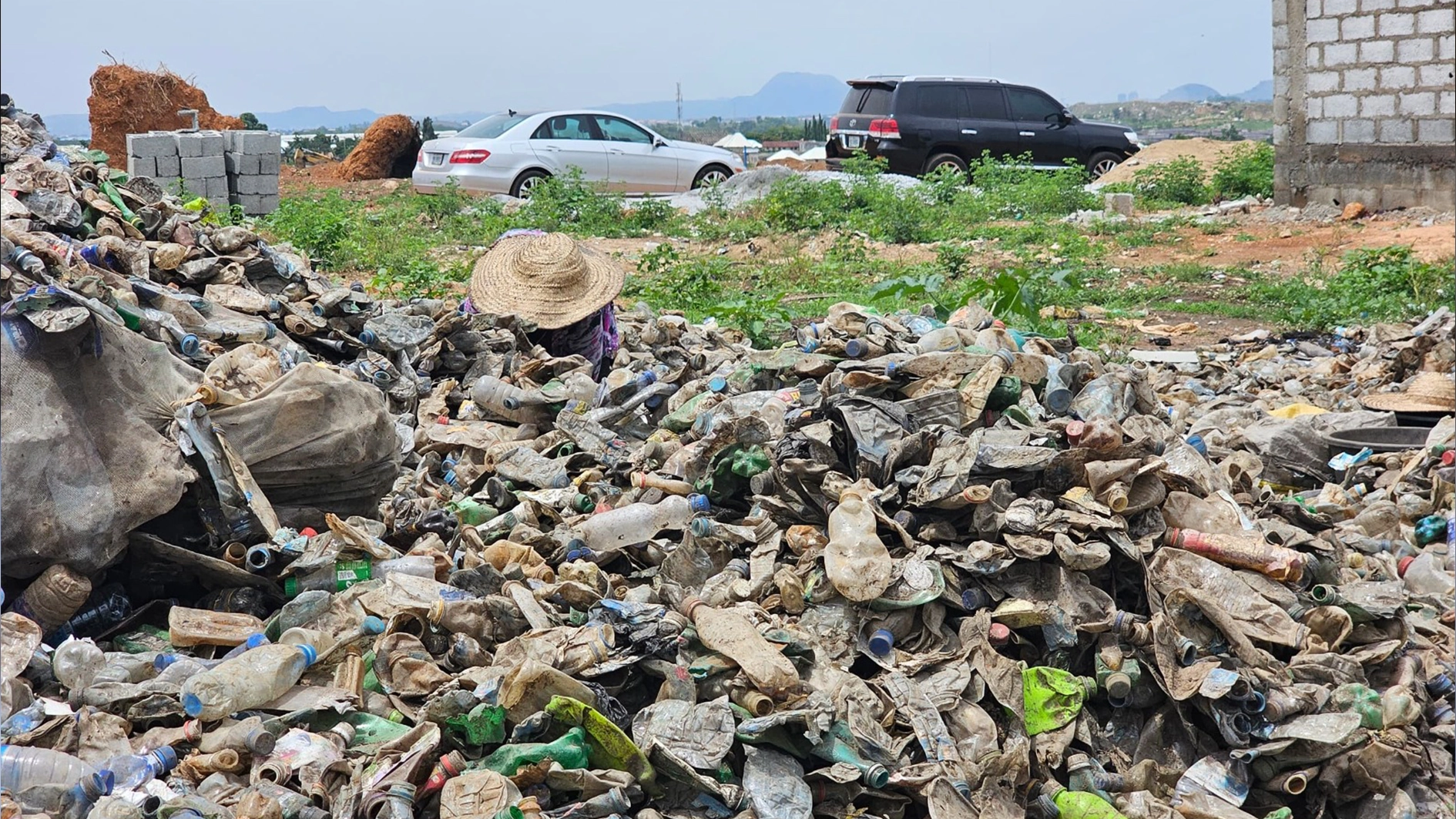
PLASTIC waste arriving at Abuja’s largest dump site has begun to decline, signalling early gains from an ongoing recycling and environmental innovation programme supported by the United Nations Development Programme–Global Environment Facility Small Grants Programme (UNDP-GEF SGP).
The development was disclosed yesterday during a field visit to the Gosa dump site in the Federal Capital Territory, where stakeholders assessed the impact of the Digital Peers International (DPI)-SGP 2.0 Plastic Waste Management Project on waste reduction and recycling activities.
Coordinator of the UNDP-GEF Small Grants Programme, Ibironke Olubamise, said the reduction in plastic inflow reflects the growing effectiveness of community-driven environmental interventions and awareness campaigns across Abuja.
He noted that the initiative is designed not only to address pollution but also to promote innovation and economic opportunities within the recycling value chain.
“Plastic is everybody’s problem. It is not just an environmental issue; it affects all of us. That is why we continue to support projects that can create a positive environmental impact,” he said.
Olubamise added that waste handlers at the Gosa facility have reported a noticeable reduction in the volume of plastic materials being deposited at the site compared to previous years, attributing the trend to increased recycling activity and behavioural change among residents.

He also highlighted the growing economic value of waste recycling, noting that young innovators are increasingly converting discarded plastics into usable products.
“There are enormous opportunities in the waste-to-wealth value chain. We have seen young people producing chairs, tables, paving stones and jewellery from recycled plastics. If properly developed, these innovations can create jobs and generate income,” he emphasized.
He referenced similar initiatives in other parts of the country where waste is being transformed into creative and commercial products, stressing the need for sustained investment in the sector.
Chief Executive Officer of Digital Peers International, Dr Ibukun Odusote, said the visit to Abuja’s largest dump site at Gosa was intended to expose young participants to the realities of waste generation and management.
She explained that the exercise was part of efforts to bridge knowledge gaps and encourage practical solutions to environmental challenges.
According to her, beyond plastic pollution, a significant portion of waste generated in urban centres is organic and can be converted into useful resources such as energy and agricultural inputs.
“This visit is intended to help young people identify opportunities within the waste management sector. There is a lot of potential in converting waste into energy and other valuable products,” she said.
Odusote also identified weak data management as a major challenge in Nigeria’s waste management system, calling for stronger technological tools to improve tracking, planning and efficiency.
She urged young innovators to develop scalable solutions that could support government agencies in managing waste more effectively, adding that emerging enterprises in the sector show promise if properly supported.
Stakeholders at the facility expressed optimism that sustained investment in recycling infrastructure, environmental education and youth engagement could further reduce pressure on Abuja’s waste systems while opening up new economic opportunities.
They noted that the Gosa dump site, one of the busiest waste collection points in the capital city, could increasingly become a reference point for environmental recovery if current efforts are sustained.

