 Follow Us on Google News


 Follow Us on Google Discover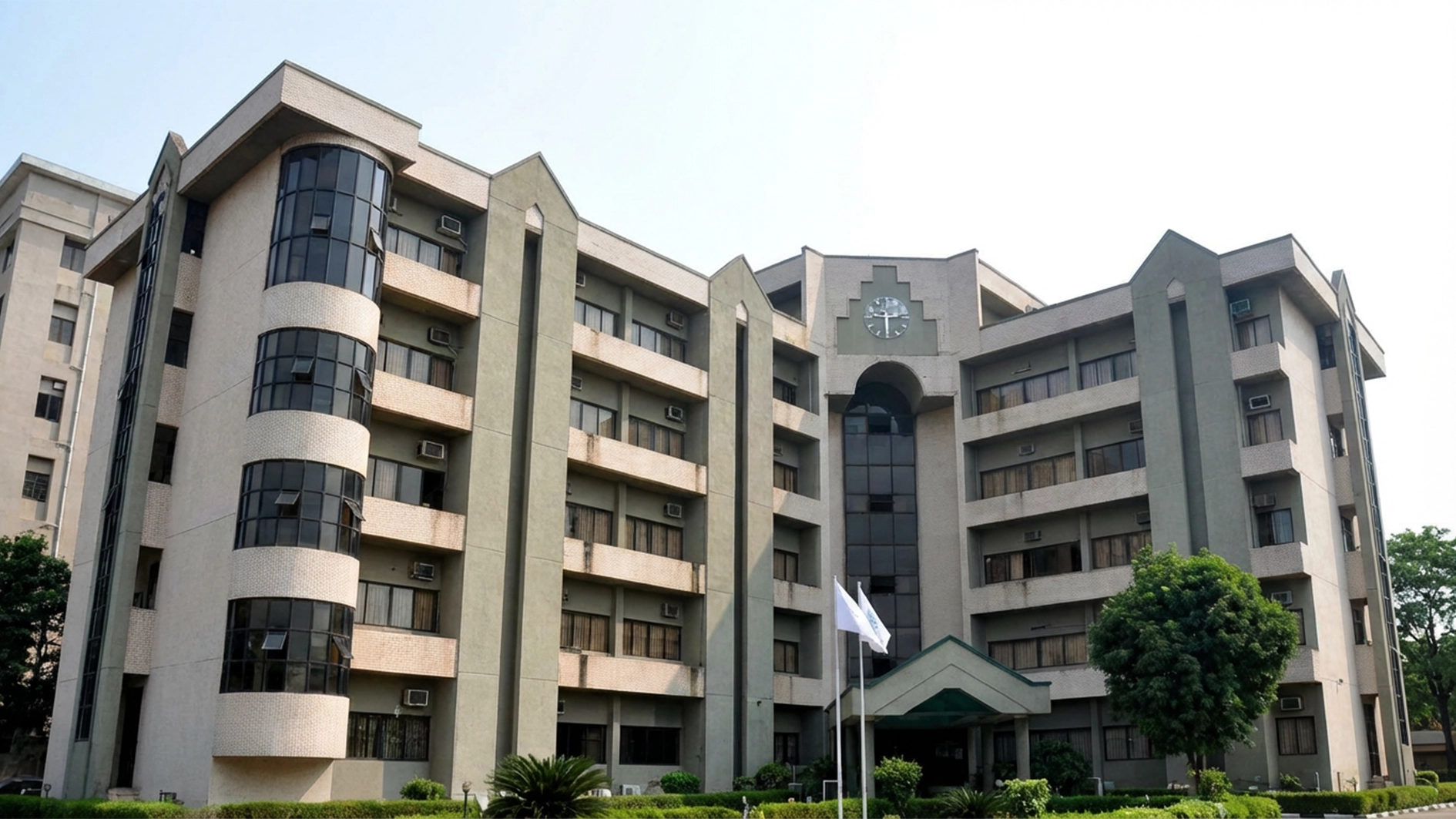
ActionAid Nigeria has condemned the recent cases of violence and bullying involving students at Igbinedion Education Centre describing it as a serious violation of children’s rights and a reminder of the systemic failures in safeguarding children within Nigeria’s education system.
The Social Justice Organisation said the situation reflects not only individual acts of abuse but also a broader institutional breakdown in child protection, monitoring, and accountability.
Speaking in Abuja, the Country Director, ActionAid Nigeria, Andrew Mamedu, stated that ‘‘every child has the fundamental right to safety, dignity, and protection from all forms of violence, as enshrined in the Child Rights Act and reinforced by global child protection standards.
“The events represent a failure of duty of care by multiple actors within the education and governance systems. When abuse persists undetected or unaddressed, it signals deep cracks in the structures responsible for safeguarding children.”
They added “ideally, effective school supervision mechanisms should be capable of detecting early warning signs of abuse, tracking patterns of misconduct, and intervening before harm escalates.’’
The Country Director noted that while attention has been drawn to a specific school, the issue is far more widespread, and reflects a pattern of underreported abuse, bullying, and school-related gender-based violence across Nigeria.

He said ‘‘This is not an isolated incident. It is one too many, and many more cases remain hidden due to weak reporting systems, fear of retaliation, stigma, and the absence of trusted protection mechanisms for children. The normalisation of silence around these issues enables abuse to thrive unchecked.’’
AAN further emphasised that child protection is not solely the responsibility of schools, but a shared obligation across multiple institutions, including regulatory agencies, law enforcement, and the justice system, adding that the delayed response that often follows public exposure points to a reactive culture rather than a proactive safeguarding framework.
He said “Action is frequently triggered only when incidents go viral, rather than through routine monitoring, reporting, and accountability processes.”
He also condemned the widespread sharing of videos and images of the children involved highlights critical gaps in safeguarding systems, saying, that these recordings were shared by students themselves signals a failure of existing protection and reporting mechanisms, with social media becoming an avenue of last resort for seeking help
ActionAid Nigeria therefore called for urgent and coordinated action from all relevant stakeholders to strengthen child protection systems and prevent further abuse:
They also called on Federal and state Ministries of Education, and relevant regulatory and oversight bodies, including the Universal Basic Education Commission (UBEC), State-level education boards, the Federal Ministry of Women Affairs, and the National Human Rights Commission (NHRC) to move beyond existing laws and safeguarding frameworks to ensure stronger implementation, regular monitoring, and effective tracking systems, including real-time reporting mechanisms, so that all cases of abuse are identified early,
properly documented, investigated, and resolved transparently across all schools.
They stated that Schools must establish safe and confidential reporting channels for students to report bullying or abuse, take swift and appropriate action when cases arise, and ensure that teachers, guidance counsellors, and administrators receive continuous, mandatory training on safeguarding, child protection, psychosocial support, trauma-informed care, conflict de-escalation, early identification of warning signs, and the prevention of school-related gender-based violence (SRGBV) and sexual harassment, exploitation and abuse (SHEA).
They recommended that schools with persistent and unresolved cases of abuse must be made to face sanctions, including possible closure where necessary to protect students.
ActionAid also called on Civil Society Organisations to actively support federal and state education systems by providing technical assistance, community-based monitoring, and capacity strengthening across schools, including training on safeguarding policies, reporting mechanisms, survivor-centred response, child rights awareness, digital safety, and accountability frameworks.
They called on Law enforcement agencies, including the Nigeria Police Force, and the judiciary to ensure that all cases of violence against children are thoroughly investigated, promptly prosecuted, and prioritised to deliver timely justice and serve as a deterrent.
“Parents and guardians must foster values of empathy, respect, and non-violence in their children, while supporting them to report abuse, monitoring school environments, and demanding accountability, including through channels beyond schools. Children should be encouraged and empowered to safely report abuse and bullying, with assurance of protection, and be informed of available reporting channels; including within schools, Ministries, regulatory bodies, and civil society organisations and how to use them without fear of retaliation.” They stated.

