 Follow Us on Google News
 Follow Us on Google Discover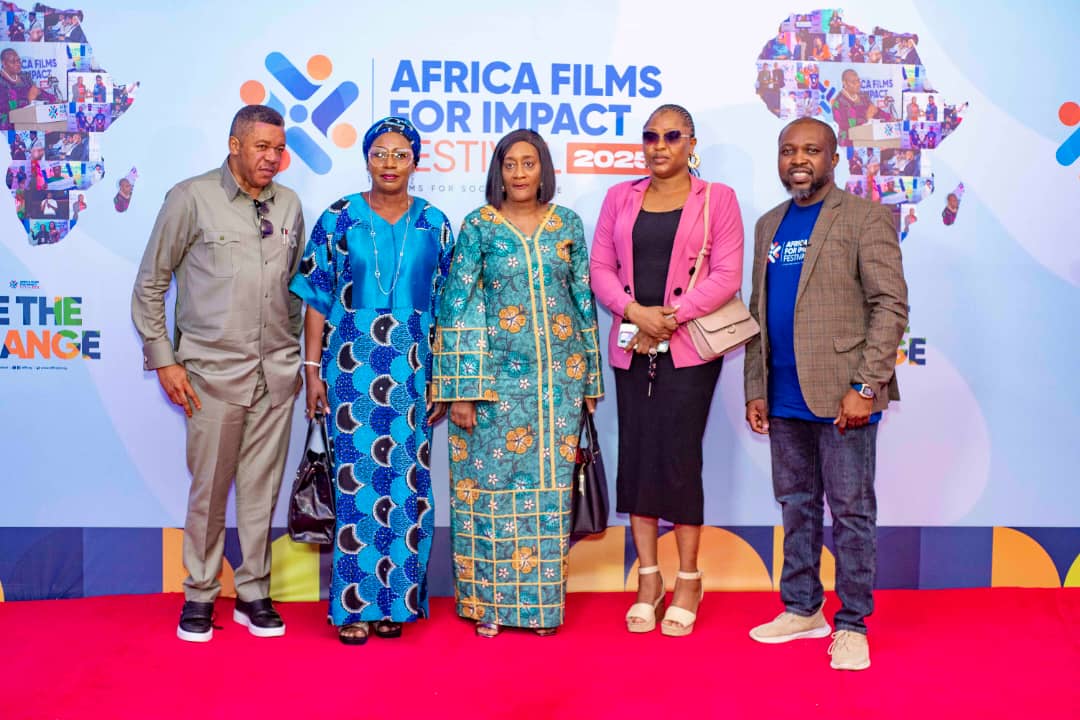
The Africa Films For Impact Festival (AFFIF), one of the continent’s leading platforms dedicated to human rights and social impact cinema, has concluded its 2025 edition in Abuja with a strong call for African filmmakers to use storytelling as a tool for social justice and transformation.
The three-day festival, held from October 29 to 31 at Silverbird Cinemas, brought together filmmakers, activists, civil society leaders, development organisations, and global partners under the theme “Be The Change,” reinforcing its message that film can drive reforms across governance, gender justice, climate advocacy, migration, youth empowerment, and human dignity.
AFFIF, now in its fourth edition and founded by Nigerian filmmaker and social justice advocate Bright Wonder Obasi, showcased 40 films from across Africa and the diaspora. The entries addressed issues ranging from gender-based violence and forced migration to corruption, climate vulnerability, disability inclusion, and democratic accountability. The festival recorded over 700 physical participants and more than 35,000 online engagements.
One of the most notable screenings was The Burning by Isabella Alexander-Nathani, a documentary exploring African migration across the Mediterranean. The film’s showing prompted a high-level panel discussion involving migration experts and human rights advocates. Other highlighted works included the Nigerian drama The Boy Who Gave, the UK-produced Lobito Bound, Kaka, and Dying for Water.
AFFIF’s closing ceremony honoured films that demonstrated excellence in socially conscious storytelling. The Boy Who Gave won Best Narrative Film and the Jury Choice Award, while The Burning was named Best Documentary and Best Film on Human Trafficking and Migration. Voices Within won Best Film on Gender-Based Violence, Kaka took Best Film on Women Empowerment, Lobito Bound received Best Film on Democracy and Accountability, and Dying for Water emerged Best Film on Climate Change. Harmony Ezekiel won Best Monologue, and special recognition awards went to Steve Gukas, Chris Odeh, Biodun Stephen, and Uchenna Mbunabo for contributions to African cinema.
Obasi, who leads the festival, said AFFIF’s mission is to strengthen the link between filmmaking and civic engagement across the continent. The jury for the 2025 edition was chaired by renowned filmmaker Steve Gukas, with other members including Biodun Stephen and Chris Odeh. International participation included representatives from UN agencies, European development bodies, embassies, and civil society organisations working to integrate film into advocacy and development programming.
Since its inception in 2020, the festival has grown into a platform for films addressing migration, trafficking, governance, gender equality, climate action, and human rights. AFFIF also supports emerging filmmakers through labs, fellowships, and collaborative opportunities.
Organisers announced the 2026 theme, “Reimagine Africa: Storytelling for Transformation,” which will introduce an expanded film market, co-production forums, and new partnership opportunities for governments, NGOs, and cultural institutions.
AFFIF 2025 was supported by Movies That Matter (Netherlands), the European Union Delegation to Nigeria and ECOWAS, the embassies of Switzerland and Finland, Paradigm Initiative, Nigeria Film Corporation, the National Film and Video Censors Board, the Dorothy Njemanze Foundation, the Association of Movie Producers, the Directors Guild of Nigeria, and the Actors Guild of Nigeria.

