 Follow Us on Google News


 Follow Us on Google Discover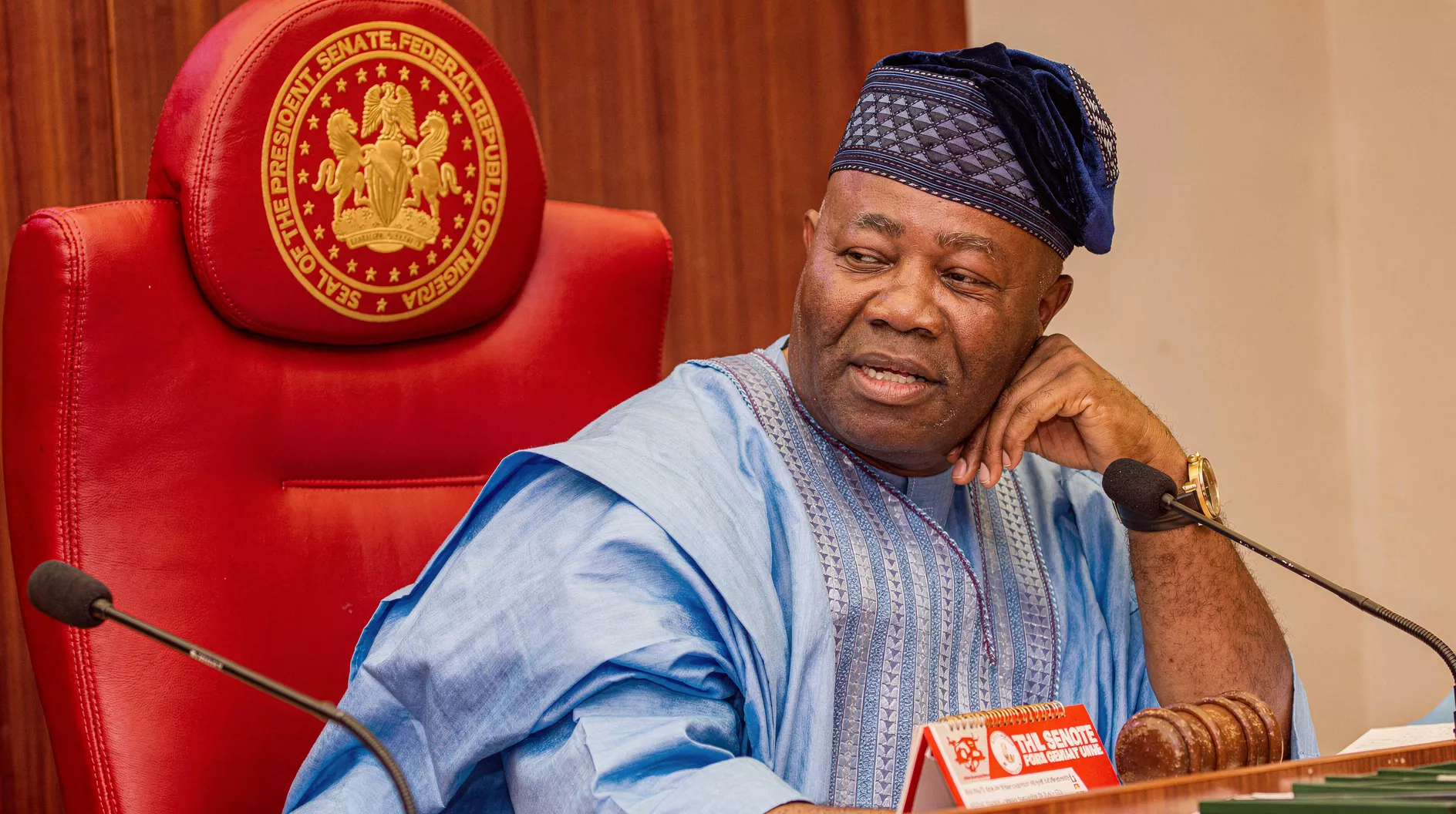
President of the Senate, Godswill Akpabio, on Wednesday called for stronger support for agricultural colleges and institutions as part of efforts to address food insecurity and unlock the vast potential within Nigeria’s agricultural sector.
Akpabio made the call at the maiden National Legislative Summit and Expo on Agricultural Colleges and Institutions held at the International Institute of Tropical Agriculture (IITA), Moniya, Ibadan.
Represented by the Deputy Senate Majority Leader, Oyetola Ashiru, the Senate President identified collaboration, innovation and strong political will as critical factors needed to overcome the challenges confronting agriculture in the country.
He stressed the need for strategic partnerships among key stakeholders in the agricultural sector, noting that Nigeria must embrace innovation and modern agricultural practices comparable to what obtains in developed nations.
According to him, the National Assembly and the executive arm of government remain committed to policies and programmes capable of strengthening agricultural colleges and institutions toward achieving sustainable food security.
Akpabio also challenged Nigerian youths to take advantage of opportunities within the agricultural value chain for wealth creation and economic empowerment.
He noted that agriculture remained one of the most viable sectors capable of addressing unemployment and driving economic growth if properly harnessed.

Earlier in his welcome address, Chairman of the Senate Committee on Agricultural Colleges and Institutions, Sharafadeen Alli, described the summit as timely, considering the growing concerns over food insecurity and the need for skilled manpower in the sector.
Alli said agricultural colleges and institutions must be adequately strengthened to produce competent professionals, encourage research innovations and develop practical solutions capable of transforming the nation’s agricultural landscape.
He added that investment in agricultural education and research remained essential to achieving national food sufficiency and sustainable development.

