 Follow Us on Google News


 Follow Us on Google Discover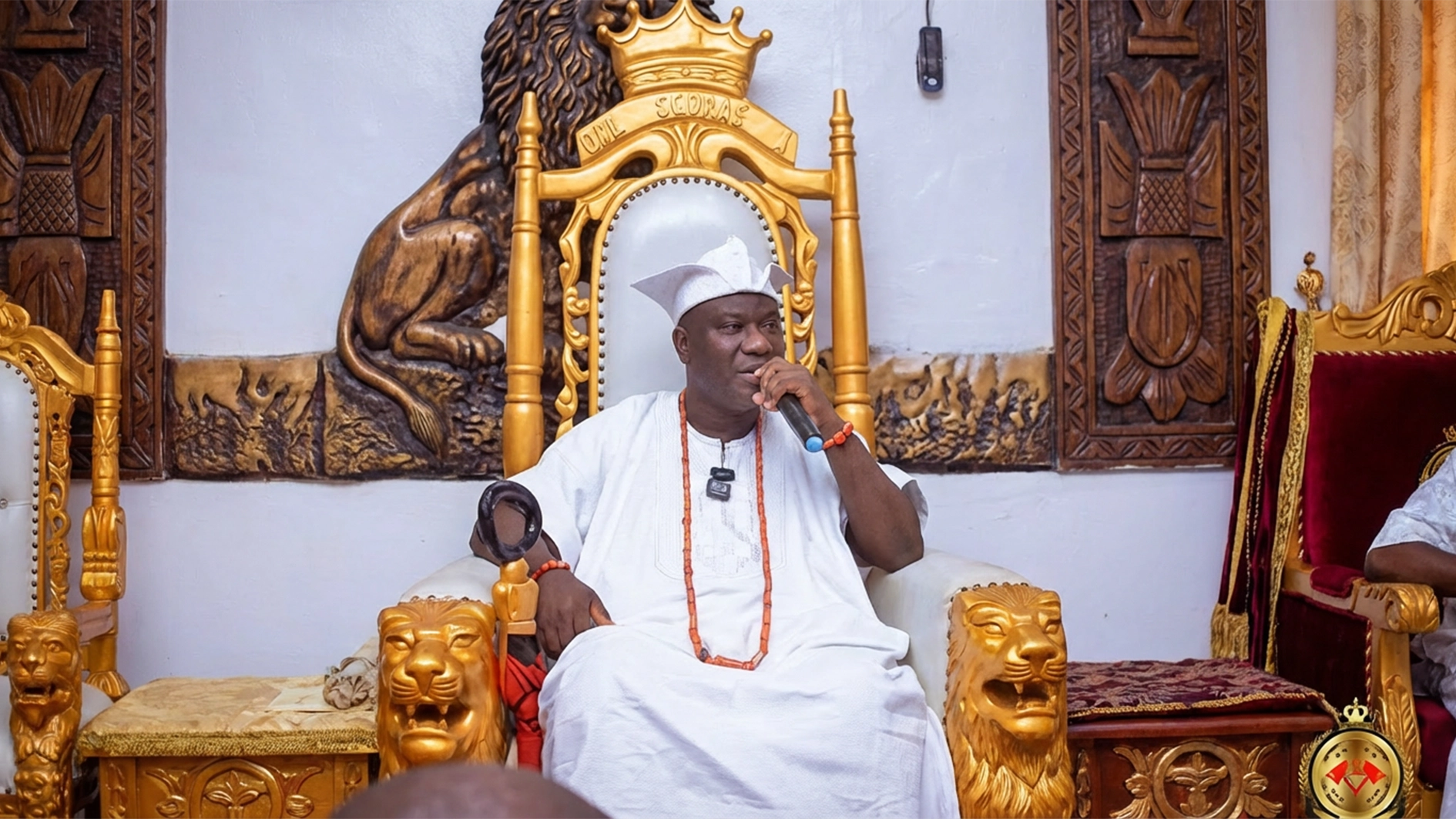
The Alaafin of Oyo, Oba Engineer Abimbola Akeem Owoade I, has called on Nigerians to embrace unity as a strategic imperative for national cohesion, while urging Muslims to observe the holy month of Ramadan with deep devotion and spiritual discipline.
Speaking during the Jumaat service at the Central Mosque in Oyo on Friday, the monarch described Ramadan as a sacred and mandatory pillar of Islam, designed to foster piety, spiritual rejuvenation and self-control.
In a press statement issued on February 21, 2026, by his Director of Media and Publicity, Bode Durojaiye, the royal father said the holy month marks the revelation of the Qur’an and offers Muslims the opportunity to maximise rewards through fasting, prayer and charity, while strengthening their relationship with Allah.
According to him, fasting instils mindfulness and self-restraint, reminding adherents of their dependence on God. “Through fasting, Muslims cleanse themselves of impurities and grow closer to Allah by sincerely dedicating themselves to worship, reflection and prayer,” he said.
He noted that Ramadan is characterised by increased acts of devotion, including the Taraweeh prayers observed nightly after the Isha prayer, where portions of the Qur’an are recited. He also emphasised charity as a central feature of the month, urging Muslims to give generously to the less privileged to purify their wealth and earn divine blessings.
On national issues, the Alaafin stressed that unity remains a strategic necessity in a plural society like Nigeria. With over 200 million people, more than 200 ethnic groups, 500 languages and three major religions, he said, the pursuit of unity is not merely aspirational but fundamental to nation-building, democratic consolidation and sustainable development.

“True unity demands deliberate trust-building and reconciliation,” he stated, adding that it requires confronting and correcting historical grievances that continue to shape inter-communal relations. He maintained that mutual trust, tolerance and accommodation of differences are indispensable to strengthening national cohesion.
The Jumaat service was led by the Chief Imam of Oyo Kingdom, Alhaji (Barrister) Bilaal Oseni Akinola.
After the prayers, the monarch paid an unscheduled visit to the ancient ultra-modern Akesan Market, where traders trooped out in large numbers to welcome him. He later returned to the palace, where he danced to the rhythm of the Gbedu drum, a symbol of royalty among the Yoruba.
Traditionally reserved for the king’s service, the Gbedu drum is the largest of Yoruba drums and features prominently in kingship rituals. Made of cow skin stretched over a hollowed wooden frame to enhance resonance, it is both a musical instrument and a cultural emblem, reinforcing the preservation of Yoruba heritage for future generations.

