 Follow Us on Google News


 Follow Us on Google Discover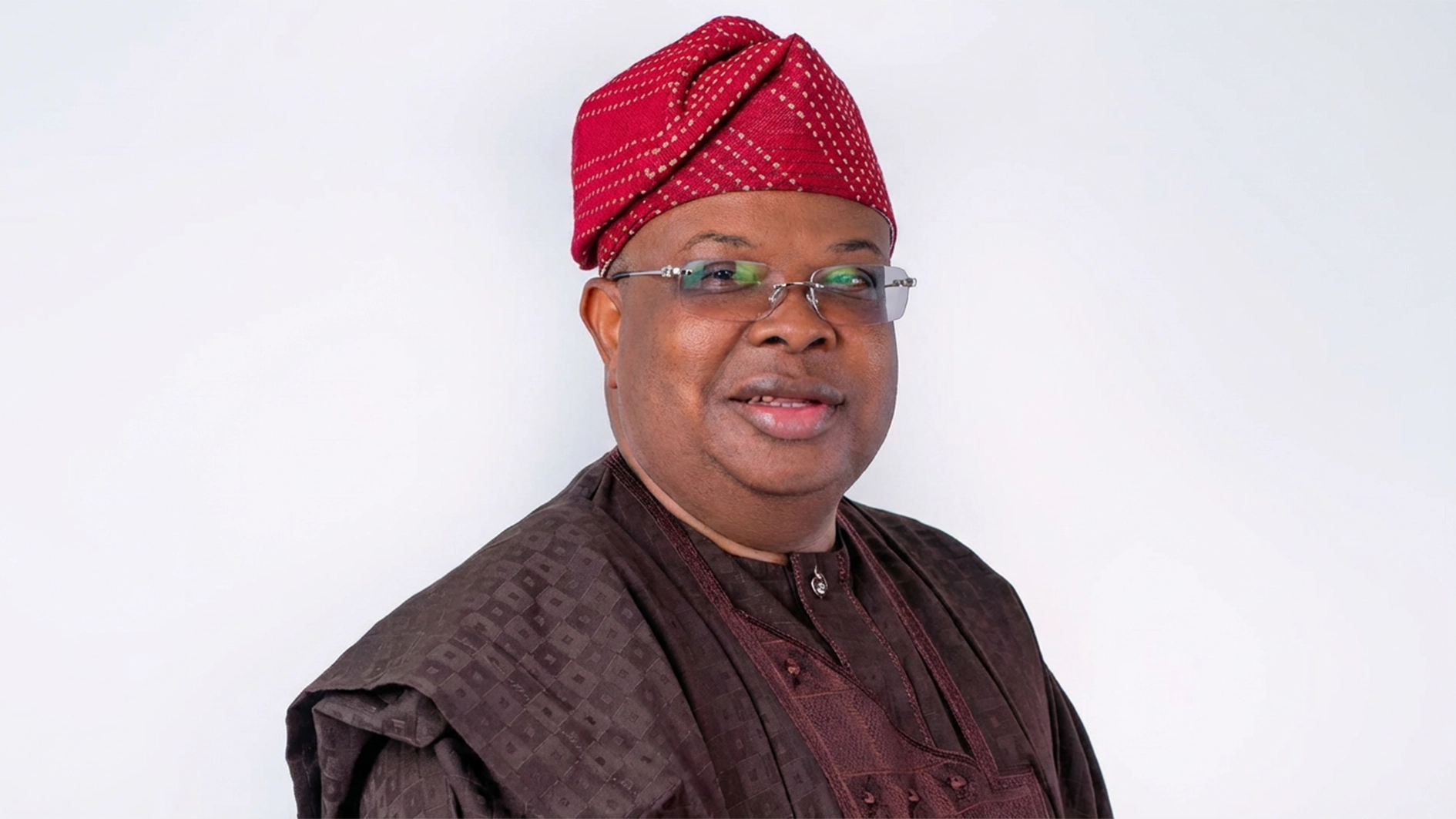
Cite his reform-driven credentials
The nomination of Joseph Olasunkanmi Tegbe as Minister of Power by President Bola Ahmed Tinubu has drawn widespread commendations from the Alaafin of Oyo, Oba Abimbola Akeem Owoade 1, as well as stakeholders across Nigeria’s business and policy landscape.
They described the move as a strategic step toward revitalising the country’s power sector.
Tegbe, who currently serves as Director-General of the Nigeria–China Strategic Partnership (NCSP) and Chairman of the National Tax Policy Implementation Committee (NTPIC), is widely regarded as a results-driven technocrat with a strong blend of private and public sector experience.
In a congratulatory statement by his Director of Media and Publicity, Bode Durojaiye, the Alaafin described Tegbe as a superlative technocrat who combines high-level technical expertise with exceptional managerial competence, driving efficiency and innovation through data-driven decision making.
The stakeholders noted that the country’s power sector, long challenged by supply deficits, grid instability, and structural inefficiencies, requires coordinated, execution-focused leadership capable of aligning policy with measurable outcomes.
An industrialist and key player in the energy sector, Dr Jonathan Achi, expressed optimism about the nomination, describing Tegbe as “a pragmatic reformer with a clear understanding of how to drive results.”

He stressed that under his stewardship, the NCSP recorded major milestones, including multi-billion-dollar investment engagements spanning agriculture, mining, steel, and energy.
The stakeholders also referenced Tegbe’s role in advancing large-scale initiatives, such as the National Integrated Poultry Project, as well as his engagement with a global technology firm, Huawei Technologies, to support Nigeria’s digital transformation agenda.
A business leader, Musa Abdullahi, noted that Tegbe’s involvement in landmark economic projects demonstrates “a rare ability to connect vision with delivery,” adding that his experience would be valuable in repositioning the power sector for sustainable growth.
However, it was stated that the complexities of Nigeria’s electricity market, spanning regulation, generation, transmission, and distribution, require leadership capable of coordinating across institutions, such as the Nigerian Electricity Regulatory Commission and the Nigerian Bulk Electricity Trading Company, while unlocking private capital and restoring market discipline.

