 Follow Us on Google News


 Follow Us on Google Discover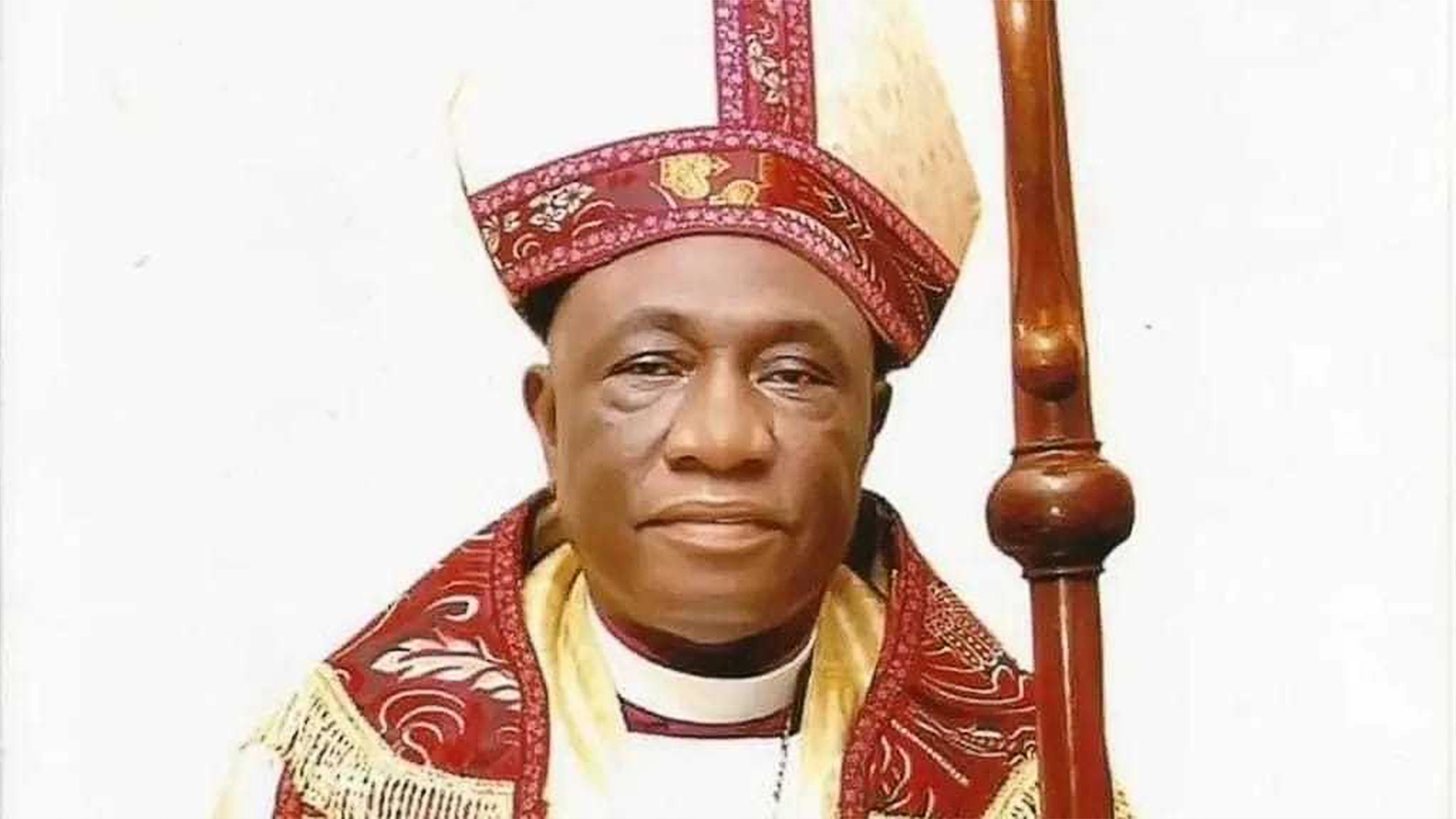
The Archbishop of the Ecclesiastical Province of Kwara and Bishop of the Diocese of New Bussa, Most Rev. Israel Afolabi Amoo, has expressed concern over the worsening insecurity, poverty and governance challenges in Nigeria, noting that until governments at all levels take decisive steps, the challenges may become plagues certain to spread across the entire Africa.
Speaking during the Second Session of the Sixth Synod of the Diocese of New Bussa held at St. John Church, New Bussa, Niger State, the cleric described the current security situation in Nigeria as alarming and a major threat to national development.
According to him, “insecurity has become pervasive, affecting all segments of society, including schools, religious institutions, businesses and communities, with citizens increasingly living in fear of kidnappings, terrorism, armed robbery and other violent crimes.”
Amoo said that the growing violence and disregard for the sanctity of human life had created an atmosphere unsuitable for economic growth and investment, warning that no meaningful development could thrive in an environment characterised by fear and instability.
He called on the Federal Government to strengthen security agencies through improved training, adequate funding and the provision of modern equipment capable of combating increasingly sophisticated criminal networks operating across the country.
“The protection of lives and property remains the primary responsibility of government. A secure environment is fundamental to sustainable growth, development and national prosperity,” he said.

The Archbishop also lamented the paradox of widespread poverty in a nation endowed with vast human and natural resources, stressing that economic growth had failed to translate into improved living conditions for many Nigerians.
He urged government to shift focus from what he described as a culture of sharing national resources to deliberate wealth creation through industrialisation, value addition and economic diversification.
According to him, “establishing industries capable of processing local raw materials would not only create jobs but also stimulate exports, increase revenue generation and improve living standards across the country.”
Amoo further advocated policies that would create an enabling environment for private sector investment, noting that increased industrial activity would enhance productivity and reduce unemployment.
On governance, the cleric said persistent corruption, weak institutions and poor service delivery had continued to undermine public confidence in government.
He cited challenges in the power, education, healthcare and infrastructure sectors as evidence of leadership failures, lamenting that many public institutions were struggling with inadequate funding, poor facilities and declining standards.
The Archbishop stressed the need for a renewed commitment to transparency, accountability and merit-based appointments, warning that the promotion of mediocrity in public service had weakened governance structures and hindered national progress.
He also called for a re-orientation of societal values, advocating leadership rooted in integrity, selflessness and service to the people.
The church leader urged anti-corruption agencies and oversight institutions to remain independent, effective and accountable in the discharge of their responsibilities.
He maintained that Nigeria’s development aspirations would remain unattainable without good governance, responsible leadership and a collective commitment to justice, equity and national unity.
The synod, themed “Godly Remnants” drawn from Isaiah 37:31-32, brought together clergy and lay delegates from across the Diocese of New Bussa to deliberate on spiritual and socio-economic issues affecting the church and the nation.

